Keto Bread VS Shirataki Noodles
A detailed nutritional comparison
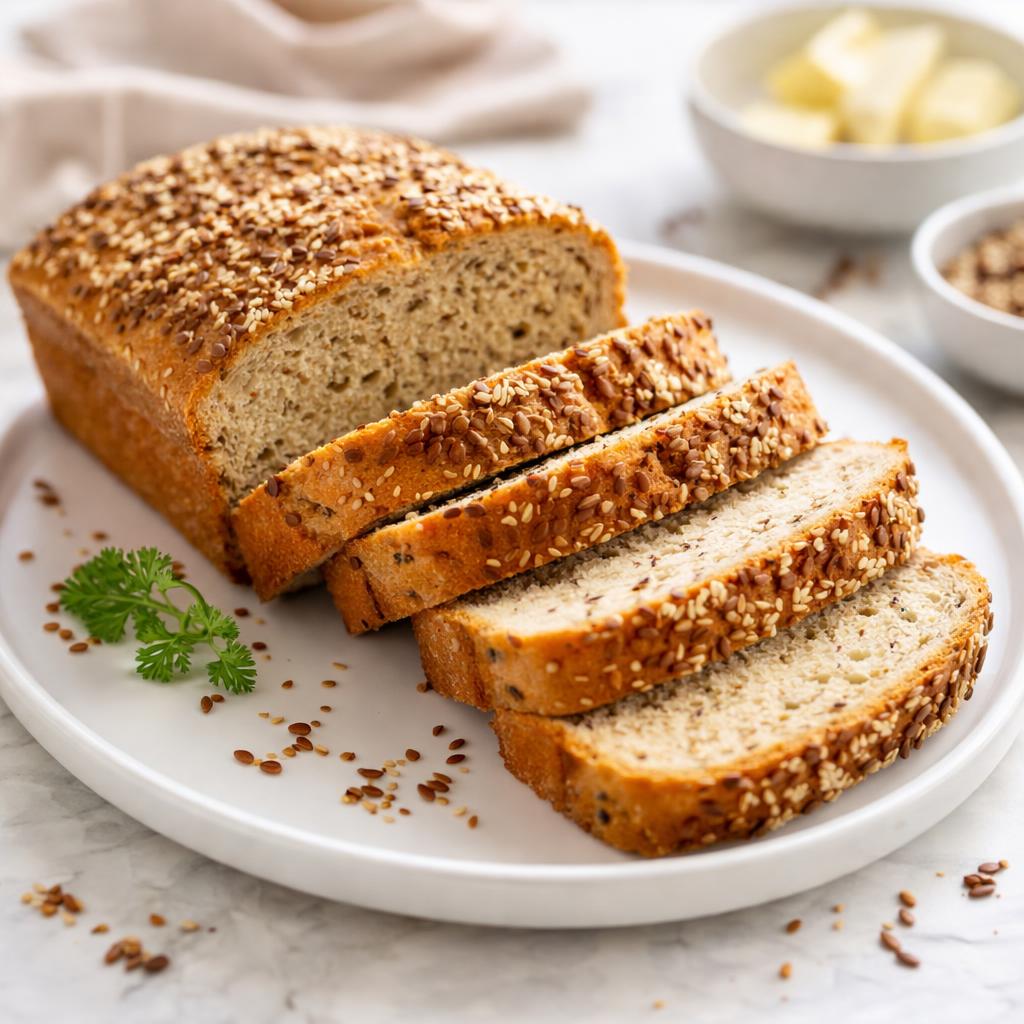
Keto Bread
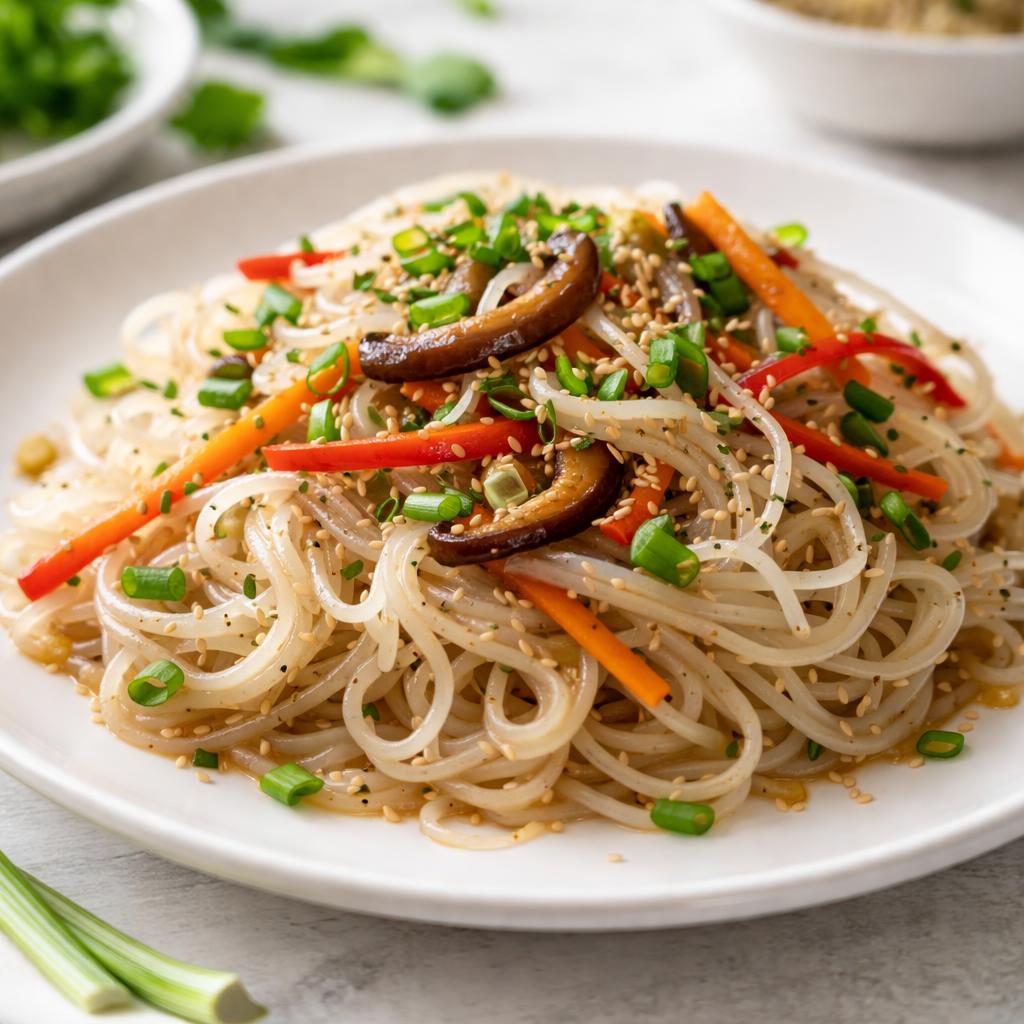
Shirataki Noodles
🎯 Quick Verdict
Keto bread and shirataki noodles are both low-carb options but differ significantly in nutritional composition. Keto bread is higher in protein and fiber, making it more suitable for satiety and muscle maintenance. Shirataki noodles are extremely low in calories and carbohydrates, ideal for calorie-conscious diets or bulk meals without added macros.

Smart Nutrition Tracking with SnapCalorie

📊 Nutritional Comparison
Macronutrients
| Nutrient | Food 1 | Food 2 | Winner |
|---|---|---|---|
| Calories | 50 | 50 | − |
| Protein | 6g | 0g | ✓ |
| Carbs | 2g | 1g | ✓ |
| Fat | 3g | 0g | ✓ |
| Fiber | 5g | 2g | ✓ |
Vitamins & Minerals
| Nutrient | Food 1 | Food 2 | Winner |
|---|---|---|---|
| Vitamin D | 0.5mcg | 0mcg | ✓ |
| Calcium | 80mg | 10mg | ✓ |
| Iron | 1mg | 0mg | ✓ |
🏆 Category Winners
Protein
Food1 contains 6g of protein, while Food2 has none.
Fiber
Food1 has 5g of fiber, more than double Food2's 2g.
Calories
Both foods are extremely low-calorie at 50 kcal per serving.
Vitamins
Food1 offers more vitamins and minerals overall, including calcium, vitamin D, and iron.
🥗 Diet Compatibility
Keto
Food 1: Compatible
Food 2: Compatible
Both are low-carb and keto-friendly.
Vegan
Food 1: Compatible
Food 2: Compatible
Both are plant-based and suitable for a vegan diet.
Gluten Free
Food 1: Compatible
Food 2: Compatible
Neither food contains gluten.
Paleo
Food 1: Not Compatible
Food 2: Compatible
Food1 contains processed ingredients; Food2 is paleo-compliant.
Low Carb
Food 1: Compatible
Food 2: Compatible
Both have very low net carb values (Food1: 2g, Food2: 1g).
💪 Health Benefits Comparison
Food 1 Benefits
- Rich in protein for muscle building and satiety
- High in fiber to support digestion and gut health
- Source of calcium for bone health
Food 2 Benefits
- Extremely low-calorie, ideal for weight management
- Supports bulk meals without significant nutrient addition
- Contains glucomannan fiber for appetite and digestion support
✅ The Bottom Line
Keto bread is the better option if you are looking for a nutrient-dense, high-protein, and high-fiber choice for satiety and functionality within a low-carb diet. Shirataki noodles excel for calorie-conscious individuals who want bulk without contributing significantly to macros. Choose Food1 for post-workout meals or quick snacks, and Food2 for adding texture and volume to meals without altering caloric intake.
Choose Food 1 for: High-protein diets, muscle maintenance, post-workout recovery
Choose Food 2 for: Weight loss, ultra-low calorie meal expansion, bulk cooking


