Keto Bread VS Rice Paper
A detailed nutritional comparison
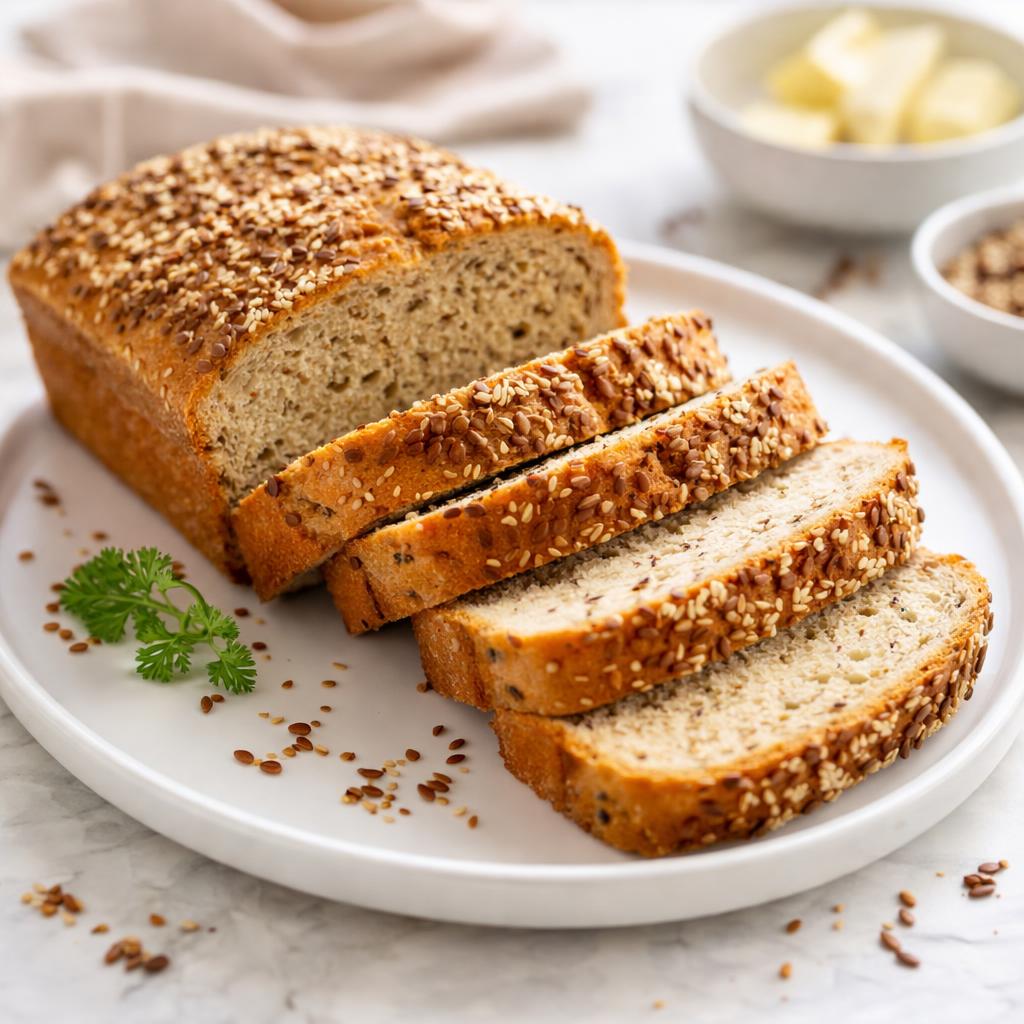
Keto Bread
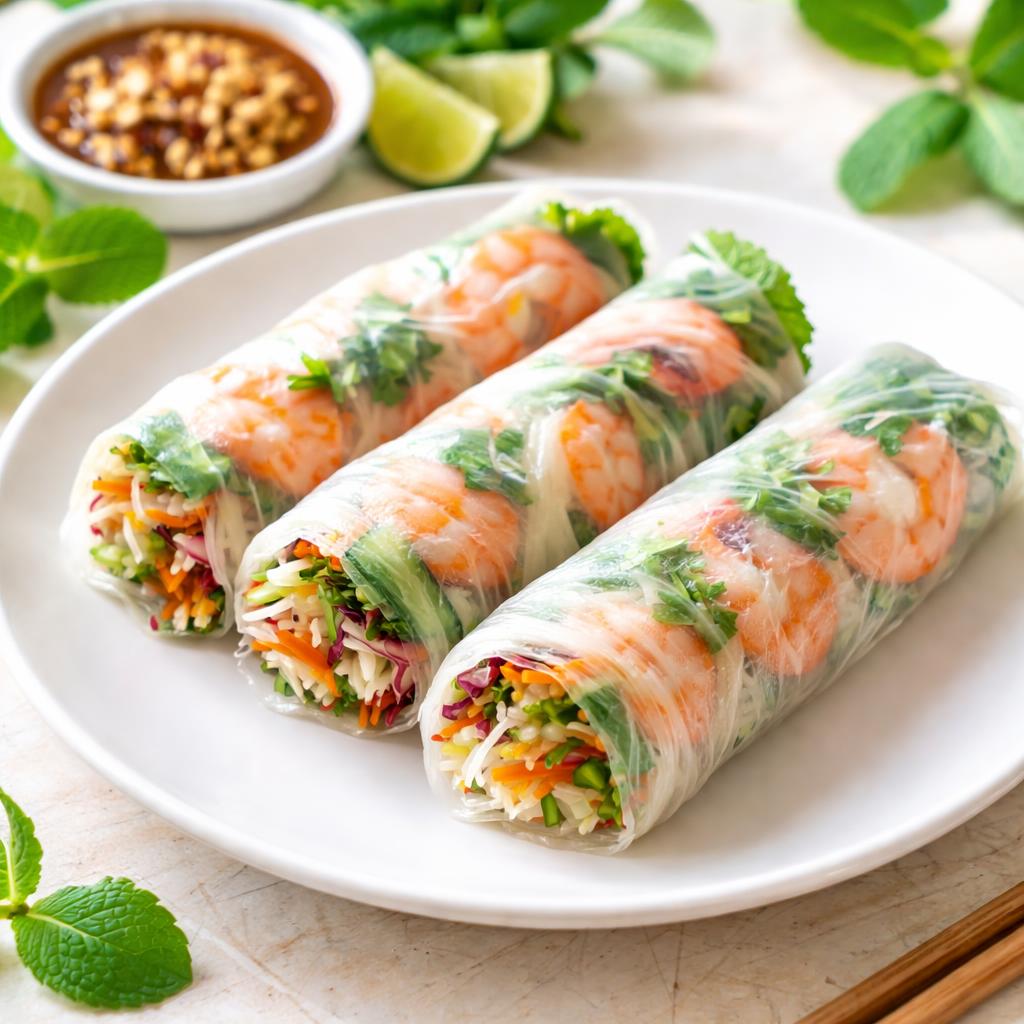
Rice Paper
🎯 Quick Verdict
Keto bread excels in protein, fiber, and calorie control, while rice paper shines as a light and versatile wrap option with minimal ingredients. Keto bread is ideal for low-carb diets and maintaining fullness, whereas rice paper is better suited for light meals or wrapping fresh, nutrient-dense fillings like vegetables and lean protein.

Smart Nutrition Tracking with SnapCalorie

📊 Nutritional Comparison
Macronutrients
| Nutrient | Food 1 | Food 2 | Winner |
|---|---|---|---|
| Calories | 90 | 45 | ✓ |
| Protein | 7g | 1g | ✓ |
| Carbs | 2g | 9g | ✓ |
| Fat | 4.5g | 0g | ✓ |
| Fiber | 9g | 0g | ✓ |
Vitamins & Minerals
| Nutrient | Food 1 | Food 2 | Winner |
|---|---|---|---|
| Vitamin D | 0mcg | 0mcg | − |
| Calcium | 140mg | 2mg | ✓ |
| Iron | 1.5mg | 0.3mg | ✓ |
🏆 Category Winners
Protein
Keto bread has 600% more protein per serving than rice paper.
Fiber
Keto bread contains 9g of fiber versus zero in rice paper.
Calories
Rice paper is far lighter in calories at only 45 per serving.
Vitamins
Keto bread provides significantly more calcium and iron.
🥗 Diet Compatibility
Keto
Food 1: Compatible
Food 2: Not Compatible
Food1 is low-carb (2g carb per serving).
Vegan
Food 1: Depends on recipe
Food 2: Compatible
Rice paper is always vegan; keto bread may contain eggs.
Gluten Free
Food 1: Compatible
Food 2: Compatible
Both foods are gluten-free options.
Paleo
Food 1: Not Compatible
Food 2: Compatible
Rice paper aligns with paleo principles, unlike most keto breads.
Low-Carb
Food 1: Compatible
Food 2: Not Compatible
Keto bread is specifically tailored for low-carb diets.
💪 Health Benefits Comparison
Food 1 Benefits
- Rich in protein for muscle recovery
- Very high in fiber for digestive health
- Supports stable blood sugar due to low-carb formulation
- Contains calcium for bone health
Food 2 Benefits
- Low in calories for weight management
- Versatile wrap for nutrient-rich fillings
- Ideal for paleo and vegan diets
- Provides a light alternative to bread or heavier wraps
✅ The Bottom Line
Keto bread is best for individuals following a low-carb or keto diet, or anyone seeking a high-protein, high-fiber option for improved satiety and digestive health. Rice paper is an excellent low-calorie wrap for light meals or fresh rolls, preferred in vegan, paleo, or heart-friendly diets.
Choose Food 1 for: Low-carb diets, weight loss, post-workout recovery
Choose Food 2 for: Light meals, vegan or paleo diets, calorie control


