Keto Bread VS Rice Flour
A detailed nutritional comparison
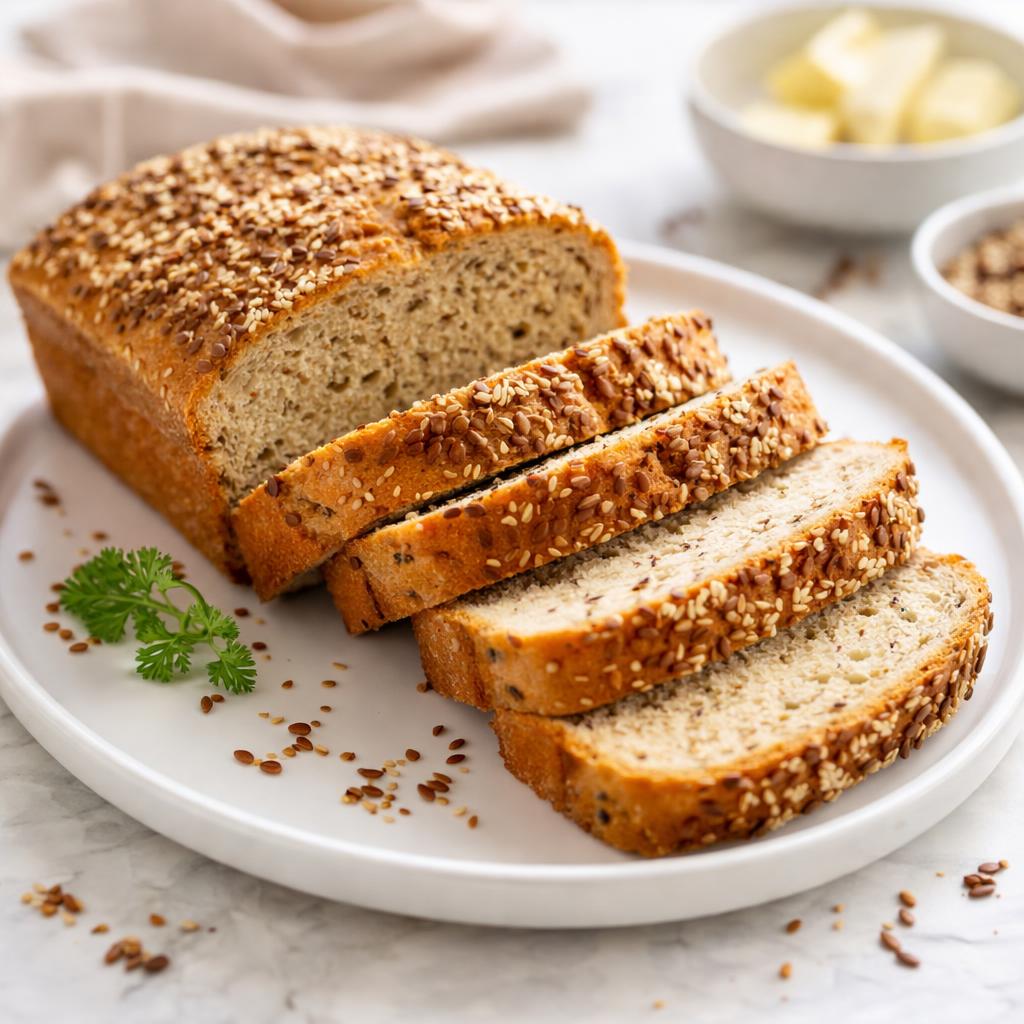
Keto Bread
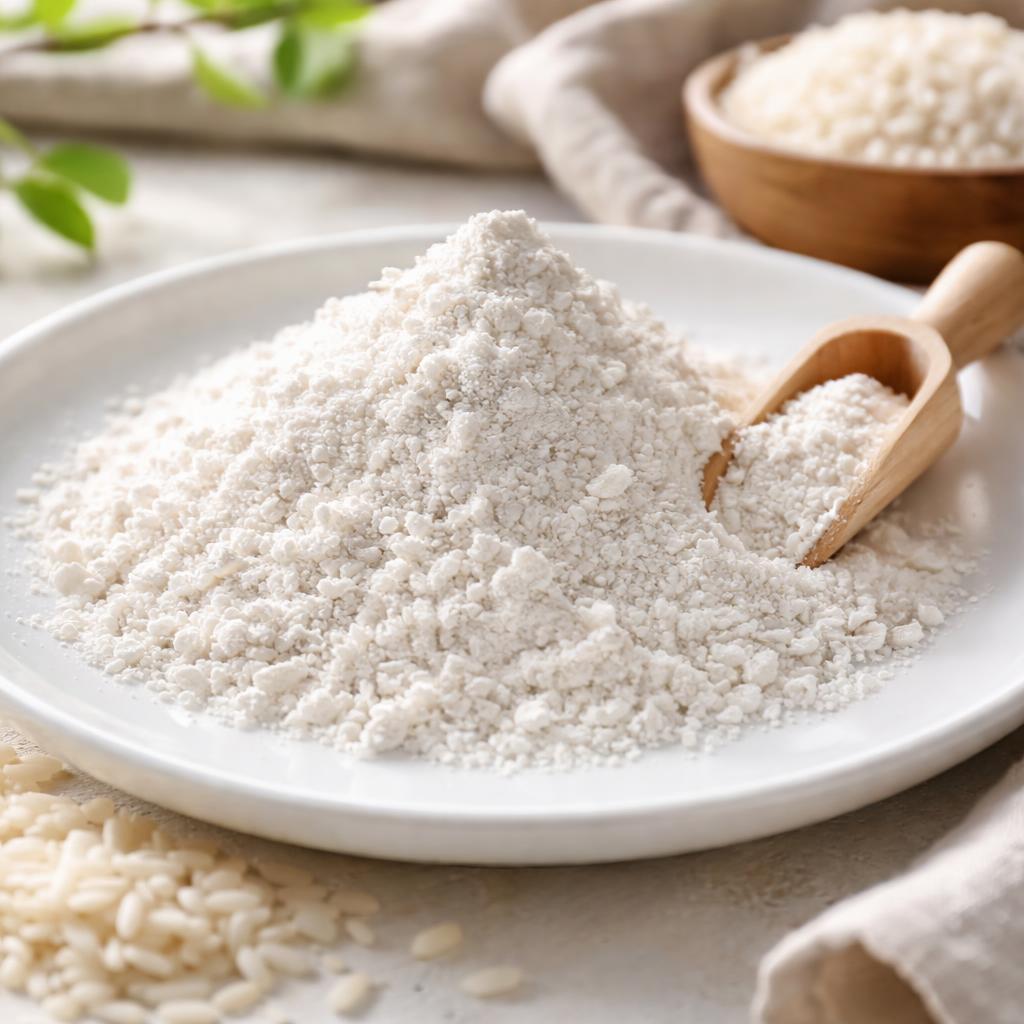
Rice Flour
🎯 Quick Verdict
Keto bread is significantly lower in calories and carbohydrates compared to rice flour, making it ideal for low-carb or keto diets. Rice flour, on the other hand, provides more carbohydrates for energy but lacks protein and fiber. Keto bread is better suited for weight management and protein-focused meals, while rice flour is a standard option for gluten-free baking and recipes needing higher carb content.

Smart Nutrition Tracking with SnapCalorie

📊 Nutritional Comparison
Macronutrients
| Nutrient | Food 1 | Food 2 | Winner |
|---|---|---|---|
| Calories | 90 kcal (per slice) | 360 kcal (per 100g) | ✓ |
| Protein | 5g | 3g | ✓ |
| Carbs | 8g | 80g | ✓ |
| Fat | 3g | 1g | ✓ |
| Fiber | 6g | 1g | ✓ |
Vitamins & Minerals
| Nutrient | Food 1 | Food 2 | Winner |
|---|---|---|---|
| Vitamin D | 0mcg | 0mcg | − |
| Calcium | 100mg | 10mg | ✓ |
| Iron | 1mg | 0.5mg | ✓ |
🏆 Category Winners
Protein
Keto bread has 67% more protein per serving than rice flour.
Fiber
Keto bread offers six times more fiber, aiding digestion.
Calories
Keto bread has significantly fewer calories per serving.
Vitamins
Keto bread is richer in calcium and iron.
🥗 Diet Compatibility
Keto
Food 1: Compatible
Food 2: Not Compatible
Keto bread is low-carb (8g per slice), while rice flour is high-carb.
Vegan
Food 1: Compatible
Food 2: Compatible
Both are plant-based.
Gluten Free
Food 1: Compatible
Food 2: Compatible
Both are free of gluten by nature.
Paleo
Food 1: Not Compatible
Food 2: Compatible
Keto bread contains ingredients not typically paleo-friendly, while rice flour is suitable.
Low-Carb
Food 1: Compatible
Food 2: Not Compatible
Keto bread meets low-carb requirements, unlike rice flour, which is carb-heavy.
💪 Health Benefits Comparison
Food 1 Benefits
- Low in carbohydrates, ideal for maintaining ketosis
- High in fiber, promoting digestive health
- Moderately high protein content to support muscle maintenance
- Provides calcium for bone health
Food 2 Benefits
- A high-carb option for sustained energy
- Gluten-free and suitable for people with celiac disease
- Contains small amounts of iron for blood health
- Versatile baking ingredient easily used in recipes for texture
✅ The Bottom Line
Keto bread is the ideal choice for low-carb, high-protein diets and weight management, while rice flour provides energy through carbs and is excellent for gluten-free baking. Choose keto bread for a healthier substitute in low-carb meals, or rice flour for traditional baking needs.
Choose Food 1 for: Weight loss, keto diets, and high-fiber meals
Choose Food 2 for: Gluten-free baking, energy-boosting dishes, and paleo diets


