Keto Bread VS Plain Rice
A detailed nutritional comparison
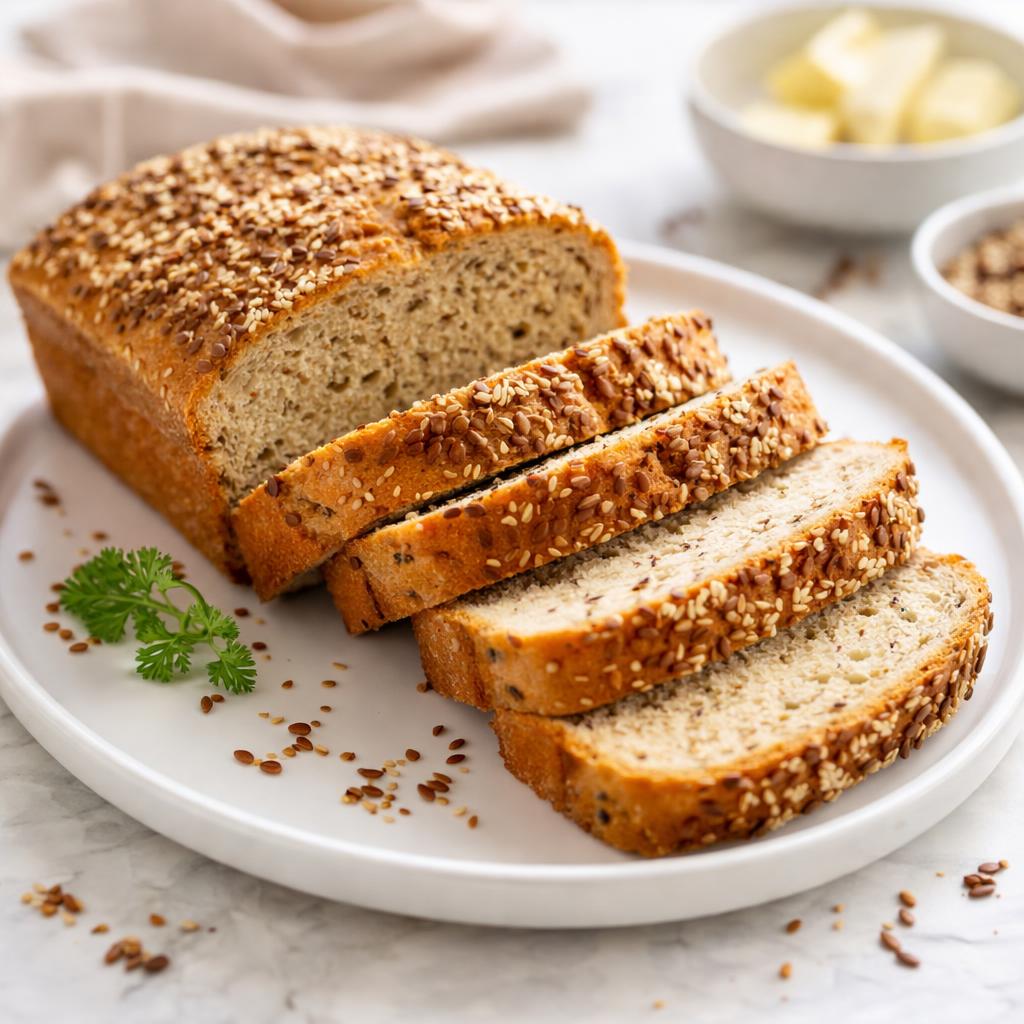
Keto Bread
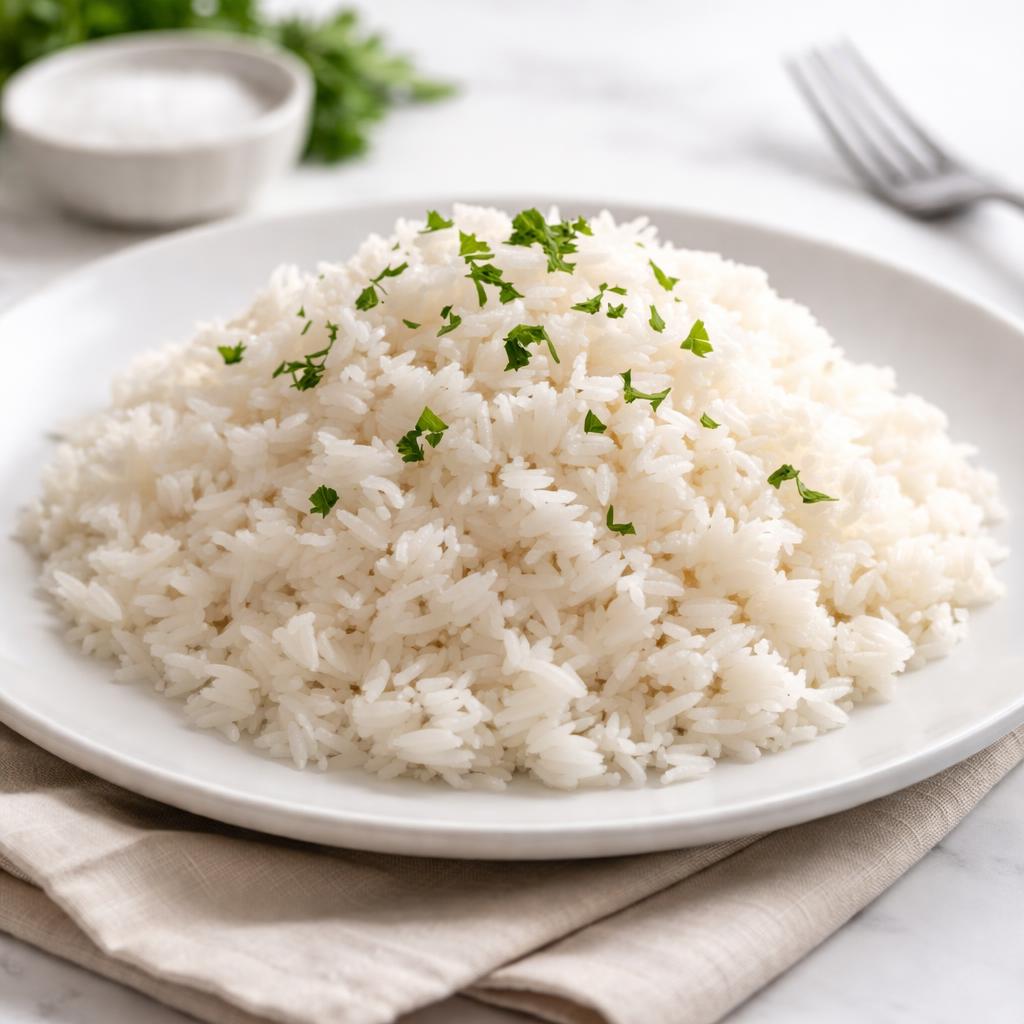
Plain Rice
🎯 Quick Verdict
Keto bread is significantly higher in protein and fiber while offering fewer calories and carbs compared to plain rice, making it ideal for low-carb and high-protein diets. Plain rice is a more energy-dense choice, suitable for quick energy needs or carb-focused diets, but it lacks fiber and protein content found in keto bread.

Smart Nutrition Tracking with SnapCalorie

📊 Nutritional Comparison
Macronutrients
| Nutrient | Food 1 | Food 2 | Winner |
|---|---|---|---|
| Calories | 100 | 206 | ✓ |
| Protein | 8g | 4.3g | ✓ |
| Carbs | 6g | 45g | ✓ |
| Fat | 4g | 0.5g | ✓ |
| Fiber | 5g | 0.3g | ✓ |
Vitamins & Minerals
| Nutrient | Food 1 | Food 2 | Winner |
|---|---|---|---|
| Vitamin D | 0.5mcg | 0mcg | ✓ |
| Calcium | 200mg | 10mg | ✓ |
| Iron | 1.5mg | 0.2mg | ✓ |
🏆 Category Winners
Protein
Keto bread has nearly double the protein content per serving compared to plain rice.
Fiber
Keto bread has significantly more fiber (5g vs 0.3g).
Calories
Keto bread contains less than half the calories per serving compared to plain rice.
Vitamins
Keto bread provides more calcium, iron, and vitamin D compared to plain rice.
🥗 Diet Compatibility
Keto
Food 1: Compatible
Food 2: Not Compatible
Food1 is low-carb (6g) whereas Food2 is high-carb (45g).
Vegan
Food 1: Compatible
Food 2: Compatible
Both foods are plant-based.
Gluten Free
Food 1: Varies by brand
Food 2: Compatible
Keto bread may contain gluten depending on the recipe; rice is naturally gluten-free.
Paleo
Food 1: Rarely compatible
Food 2: Compatible
Keto bread often uses non-paleo ingredients; plain rice aligns with paleo diets.
Low-Carb
Food 1: Compatible
Food 2: Not Compatible
Food1 supports low-carb diets with only 6g carbs per serving, whereas Food2 is high-carb at 45g.
💪 Health Benefits Comparison
Food 1 Benefits
- Low-carb and high in fiber, promoting digestive health.
- High protein content supports muscle maintenance and repair.
- Rich in calcium, iron, and vitamin D for bone and immune health.
Food 2 Benefits
- Provides quick, easily digestible energy from carbohydrates.
- Low in fat, making it suitable for low-fat diets.
- Naturally gluten-free and hypoallergenic.
✅ The Bottom Line
Keto bread is a better choice for low-carb, high-protein diets, digestion support, or weight management due to its macros and fiber content. Plain rice is ideal for those needing quick energy, endurance athletes, or carb-focused diets. Both serve specific dietary needs and are complementary in versatility.
Choose Food 1 for: Low-carb diets, weight loss, muscle building, digestion
Choose Food 2 for: High-energy needs, endurance athletes, carb-loading diets


