Keto Bread VS Olive Bread
A detailed nutritional comparison
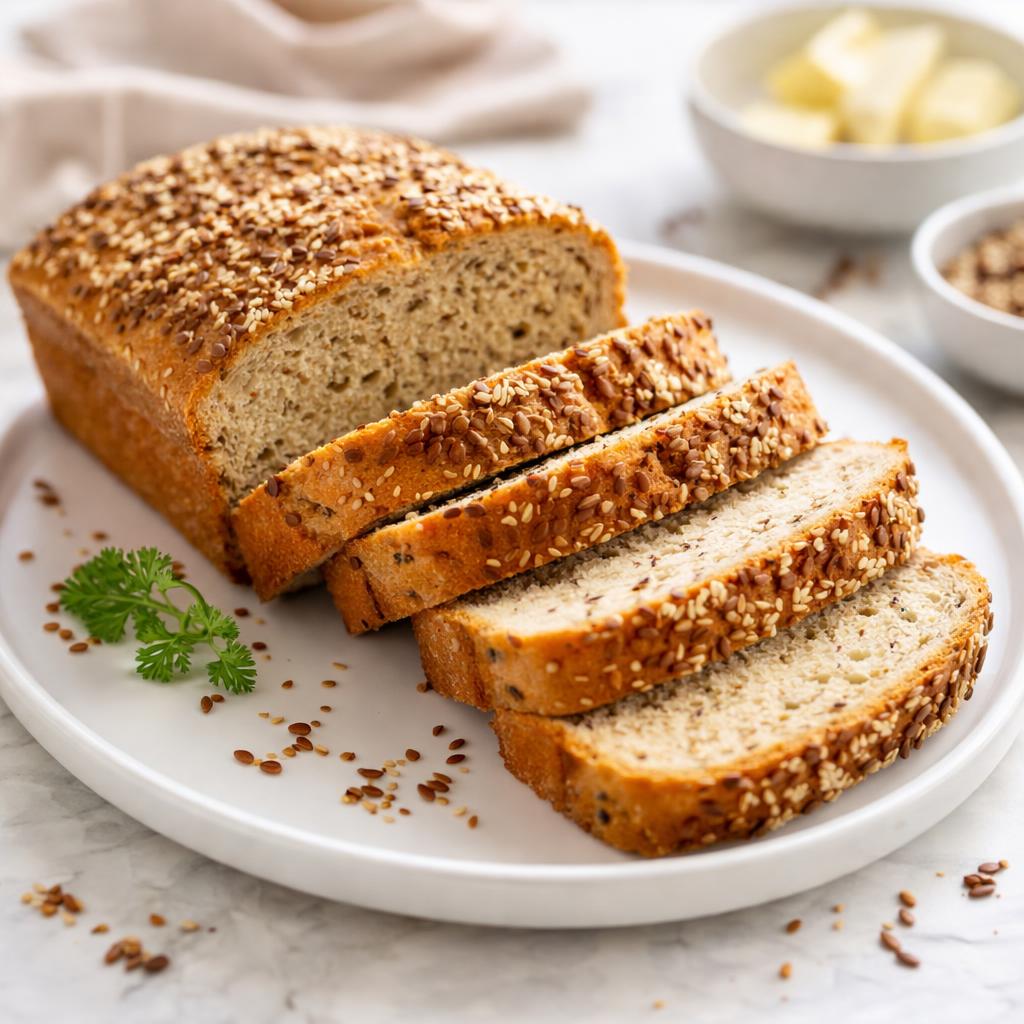
Keto Bread
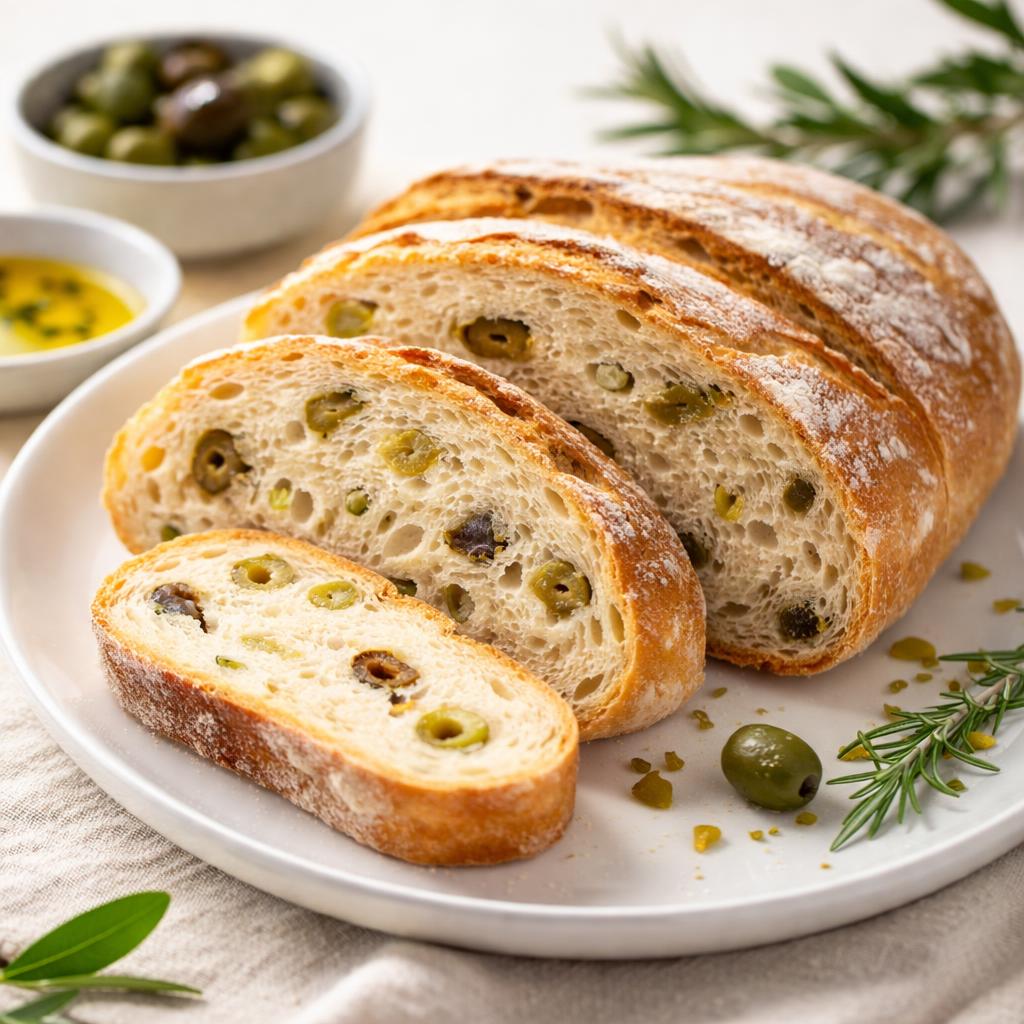
Olive Bread
🎯 Quick Verdict
Keto bread is lower in calories and carbohydrates, and higher in protein, making it an excellent choice for those on a strict low-carb or weight-loss diet. Olive bread, while higher in calories, offers more fiber and healthy fats, making it an appealing option for heart health and digestive benefits. Each bread has unique nutritional strengths suited for specific dietary goals.

Smart Nutrition Tracking with SnapCalorie

📊 Nutritional Comparison
Macronutrients
| Nutrient | Food 1 | Food 2 | Winner |
|---|---|---|---|
| Calories | 90 | 160 | ✓ |
| Protein | 6g | 4g | ✓ |
| Carbs | 3g | 28g | ✓ |
| Fat | 4g | 6g | ✓ |
| Fiber | 2g | 4g | ✓ |
Vitamins & Minerals
| Nutrient | Food 1 | Food 2 | Winner |
|---|---|---|---|
| Vitamin E | 0.5mg | 1.2mg | ✓ |
| Calcium | 150mg | 120mg | ✓ |
| Iron | 1mg | 2mg | ✓ |
🏆 Category Winners
Protein
Keto bread contains 50% more protein per serving.
Fiber
Olive bread delivers 100% more fiber per serving.
Calories
Keto bread contains 44% fewer calories per serving.
Vitamins
Olive bread is richer in Vitamin E and Iron, enhancing heart health and oxygen transport.
🥗 Diet Compatibility
Keto
Food 1: Compatible
Food 2: Not Compatible
Food1 is low-carb (3g net carbs per serving), suitable for keto diets.
Vegan
Food 1: Not Compatible
Food 2: Compatible
Food2 does not rely on animal-based ingredients, while Food1 may contain eggs or dairy.
Gluten Free
Food 1: Compatible
Food 2: Not Compatible
Food1 is gluten-free, made with almond or coconut flour. Food2 contains wheat flour.
Paleo
Food 1: Compatible
Food 2: Not Compatible
Food1 adheres to paleo guidelines due to its use of grain-free flours.
Low Carbs
Food 1: Compatible
Food 2: Not Compatible
Food1 is extremely low in carbohydrates.
💪 Health Benefits Comparison
Food 1 Benefits
- Low in carbs, ideal for weight loss and blood sugar control.
- High protein content for muscle maintenance and satiety.
- Contains healthy fats for sustaining energy and promoting brain health.
Food 2 Benefits
- Rich in dietary fiber for improved digestion and gut health.
- Offers healthy monounsaturated fats from olives, promoting heart health.
- Provides iron for improved oxygen transport and energy levels.
✅ The Bottom Line
Choose keto bread for low-carb, high-protein diets, especially if gluten or carb restriction is necessary. Opt for olive bread when focusing on fiber, minerals, and heart-healthy nutrients. Each is suited for specific health goals and occasions.
Choose Food 1 for: Weight loss, ketogenic or paleo diets, post-workout protein boosting
Choose Food 2 for: Digestive health, heart health, antioxidant support


