Garlic Bread VS Whole Bread
A detailed nutritional comparison
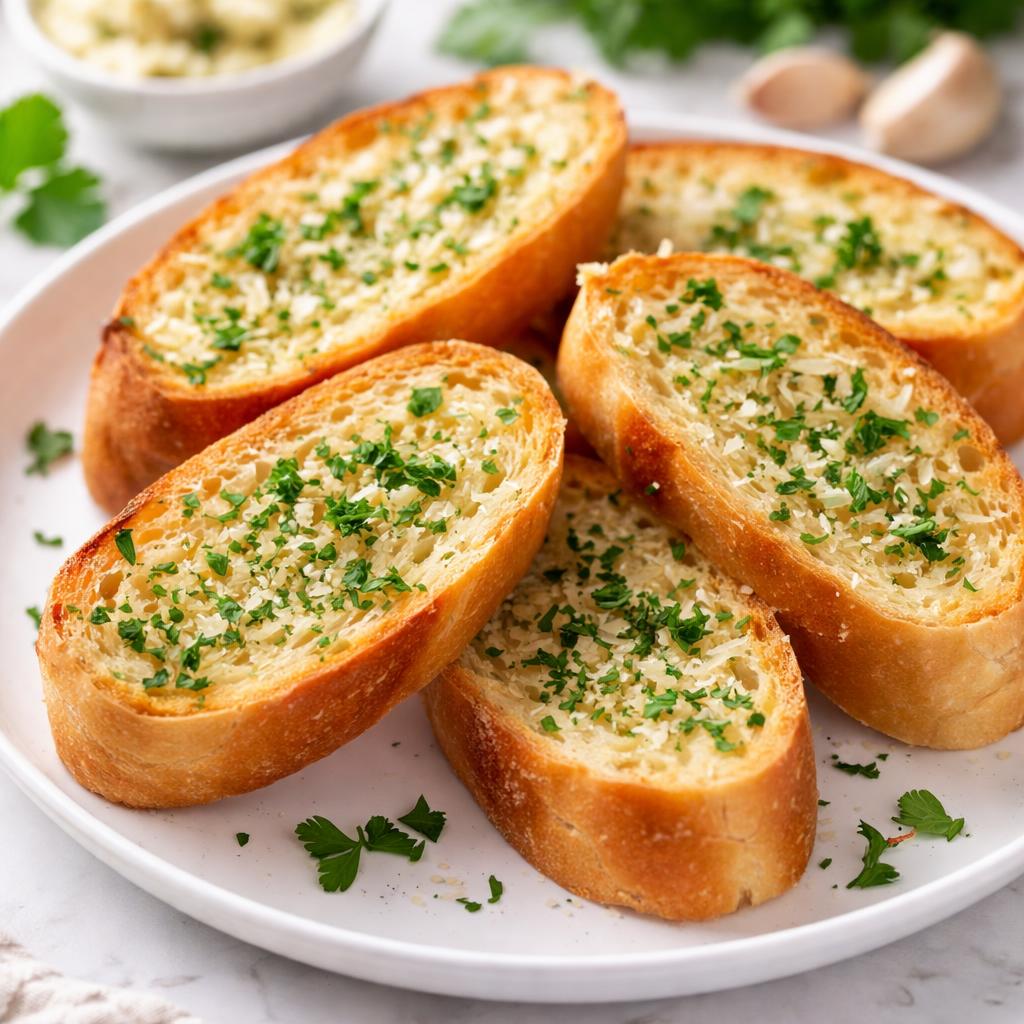
Garlic Bread
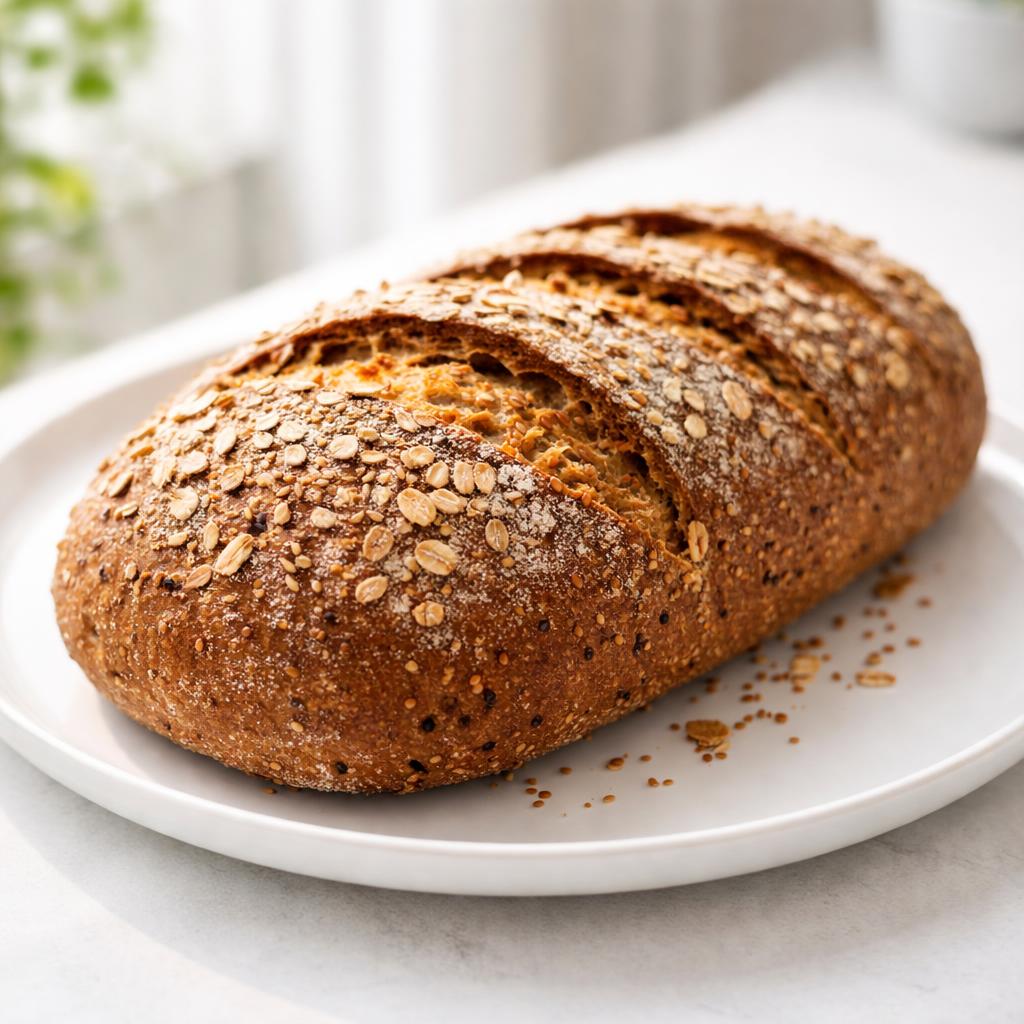
Whole Bread
🎯 Quick Verdict
Whole bread is nutritionally denser, offering more fiber and fewer calories than garlic bread. Garlic bread, however, provides a flavorful option often used for indulgence or pairing with dishes like pasta but is higher in calories and fats. Whole bread is better suited for weight management and consistent nutrient intake, while garlic bread fits occasional, savory meal roles.

Smart Nutrition Tracking with SnapCalorie

📊 Nutritional Comparison
Macronutrients
| Nutrient | Food 1 | Food 2 | Winner |
|---|---|---|---|
| Calories | 200 | 80 | ✓ |
| Protein | 4g | 4g | − |
| Carbs | 20g | 14g | ✓ |
| Fat | 10g | 1g | ✓ |
| Fiber | 1g | 2g | ✓ |
Vitamins & Minerals
| Nutrient | Food 1 | Food 2 | Winner |
|---|---|---|---|
| Vitamin A | 100IU | 15IU | ✓ |
| Vitamin C | 0mg | 0mg | − |
| Calcium | 20mg | 10mg | ✓ |
| Iron | 0.5mg | 1mg | ✓ |
🏆 Category Winners
Protein
Both foods offer the same protein per serving.
Fiber
Whole bread contains twice the amount of fiber as garlic bread.
Calories
Whole bread has 60% fewer calories per serving than garlic bread.
Vitamins
Garlic bread provides more Vitamin A and slightly more calcium.
🥗 Diet Compatibility
Keto
Food 1: Not Compatible
Food 2: Not Compatible
Both are high-carb foods.
Vegan
Food 1: Not Compatible
Food 2: Compatible
Whole bread can be vegan if prepared without animal products, while garlic bread typically contains butter.
Gluten Free
Food 1: Not Compatible
Food 2: Not Compatible
Both are gluten-based unless made with alternative flours.
Paleo
Food 1: Not Compatible
Food 2: Not Compatible
Neither conforms to paleo guidelines due to grain content.
Low Carb
Food 1: Not Compatible
Food 2: Not Compatible
Both foods contain significant amounts of carbohydrates.
💪 Health Benefits Comparison
Food 1 Benefits
- Provides quick energy due to its carbohydrate content
- Rich flavor enhances meals
- Contains calcium and vitamin A in small amounts
Food 2 Benefits
- Higher fiber content supports digestion
- Lower calorie density makes it a better option for weight management
- Iron content supports healthy oxygen transport in the body
✅ The Bottom Line
Whole bread is generally the healthier choice due to lower calorie density and higher fiber content, making it ideal for daily consumption and weight management. Garlic bread is best reserved for occasional indulgence or as a flavorful complement to meals like pasta or soups.
Choose Food 1 for: Flavorful side dishes, comfort food, special meals
Choose Food 2 for: Balanced diet, digestive health, weight loss


