Garlic Bread VS Udon Noodles
A detailed nutritional comparison

Garlic Bread
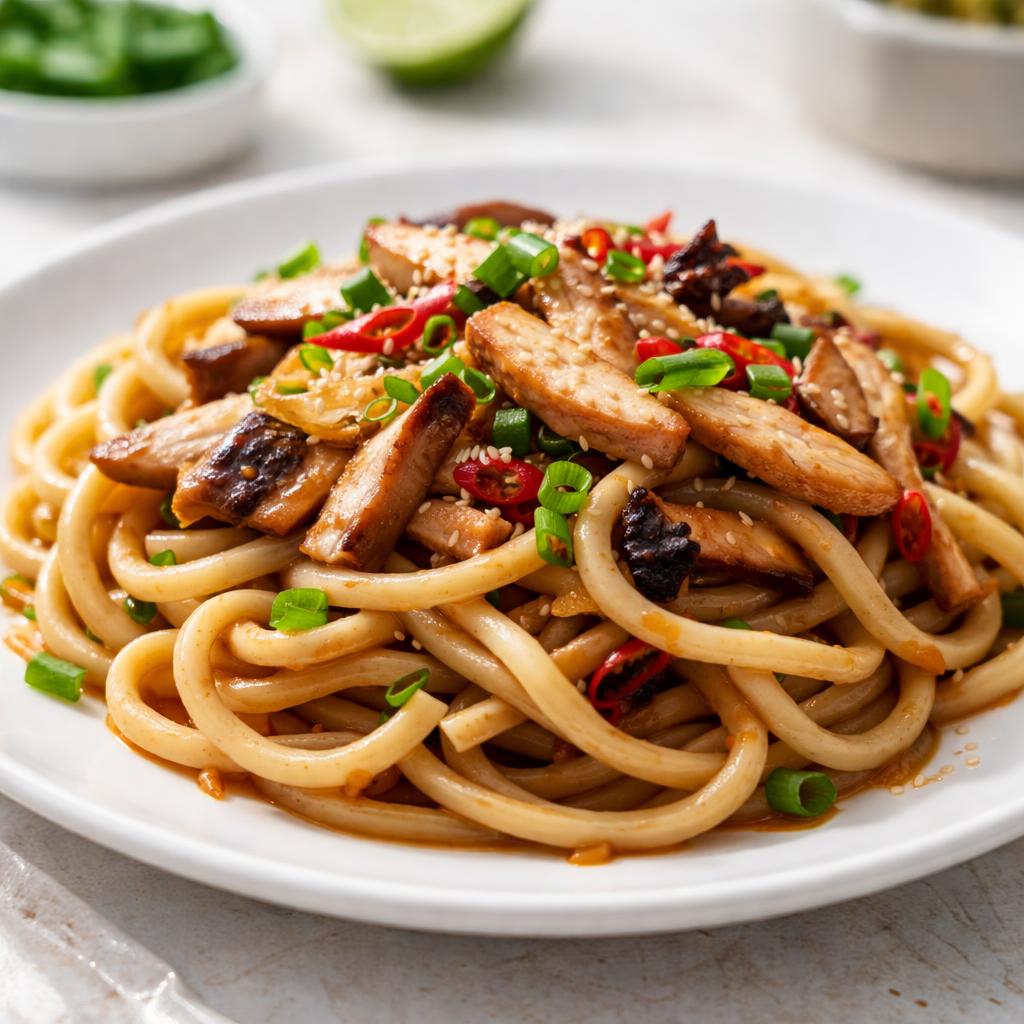
Udon Noodles
🎯 Quick Verdict
Garlic bread offers more protein, fiber, and micronutrients, but has higher calories and fat than udon noodles. Udon noodles are lower in calories and are ideal for lighter meals, while garlic bread is better suited for nutrient-dense, high-energy needs or as a side dish with good fiber content.

Smart Nutrition Tracking with SnapCalorie

📊 Nutritional Comparison
Macronutrients
| Nutrient | Food 1 | Food 2 | Winner |
|---|---|---|---|
| Calories | 200 | 130 | ✓ |
| Protein | 7g | 7g | − |
| Carbs | 25g | 27g | ✓ |
| Fat | 8g | 1g | ✓ |
| Fiber | 2g | 0.5g | ✓ |
Vitamins & Minerals
| Nutrient | Food 1 | Food 2 | Winner |
|---|---|---|---|
| Vitamin A | 30mcg | 0mcg | ✓ |
| Calcium | 40mg | 20mg | ✓ |
| Iron | 2mg | 1mg | ✓ |
🏆 Category Winners
Protein
Both foods offer 7g of protein per serving.
Fiber
Garlic bread provides 2g of fiber, while udon noodles offer only 0.5g.
Calories
Udon noodles have 35% fewer calories than garlic bread.
Vitamins
Garlic bread contains more Vitamin A, Calcium, and Iron compared to udon noodles.
🥗 Diet Compatibility
Keto
Food 1: Not Compatible
Food 2: Not Compatible
Both foods are high-carb and unsuitable for keto diets.
Vegan
Food 1: Not Compatible
Food 2: Compatible
Garlic bread typically contains butter, making it non-vegan, while udon noodles are plant-based.
Gluten Free
Food 1: Not Compatible
Food 2: Not Compatible
Both contain gluten from wheat products.
Paleo
Food 1: Not Compatible
Food 2: Not Compatible
Both foods rely on processed grains and flours, excluding them from paleo diets.
Low-Carb
Food 1: Not Compatible
Food 2: Not Compatible
Both foods are relatively high in carbohydrates and unsuitable for low-carb diets.
💪 Health Benefits Comparison
Food 1 Benefits
- Provides a good amount of fiber to support digestive health
- Contains essential micronutrients like Vitamin A and Calcium
- Higher fat content can support energy needs for active individuals
Food 2 Benefits
- Low in calories, ideal for lighter meals or weight management
- Provides sustained carbohydrate energy for longer periods
- Plant-based, making it suitable for vegan diets
✅ The Bottom Line
Garlic bread is the better choice if you're seeking a side dish with higher fiber, more vitamins, and slightly more protein. Udon noodles are ideal for those looking for a lower-calorie, vegan-friendly option with clean carbohydrates for energy. Choose based on your energy needs and dietary preferences.
Choose Food 1 for: High-energy diets, side dishes, nutrient boost
Choose Food 2 for: Low-calorie meals, vegan diets, lighter carb-centric dishes


