Garlic Bread VS Stuffed Bread
A detailed nutritional comparison
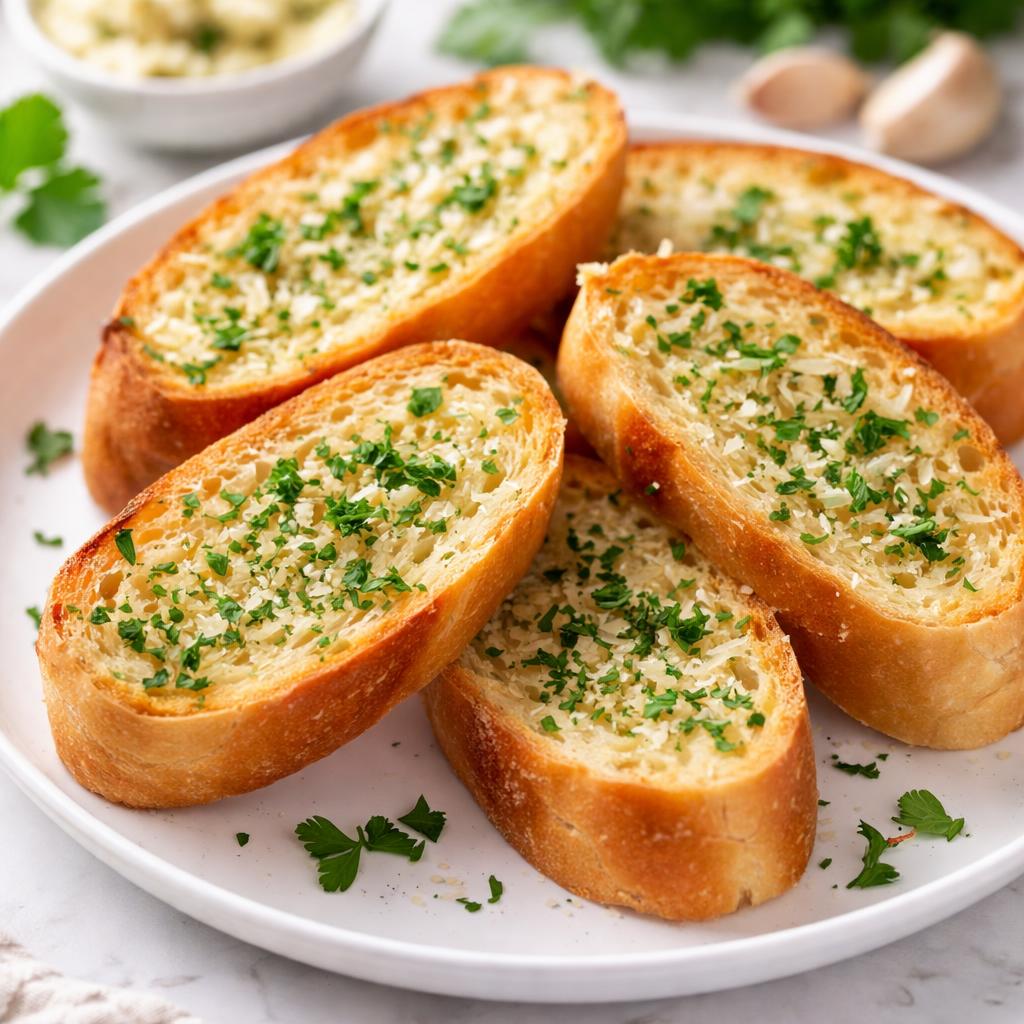
Garlic Bread
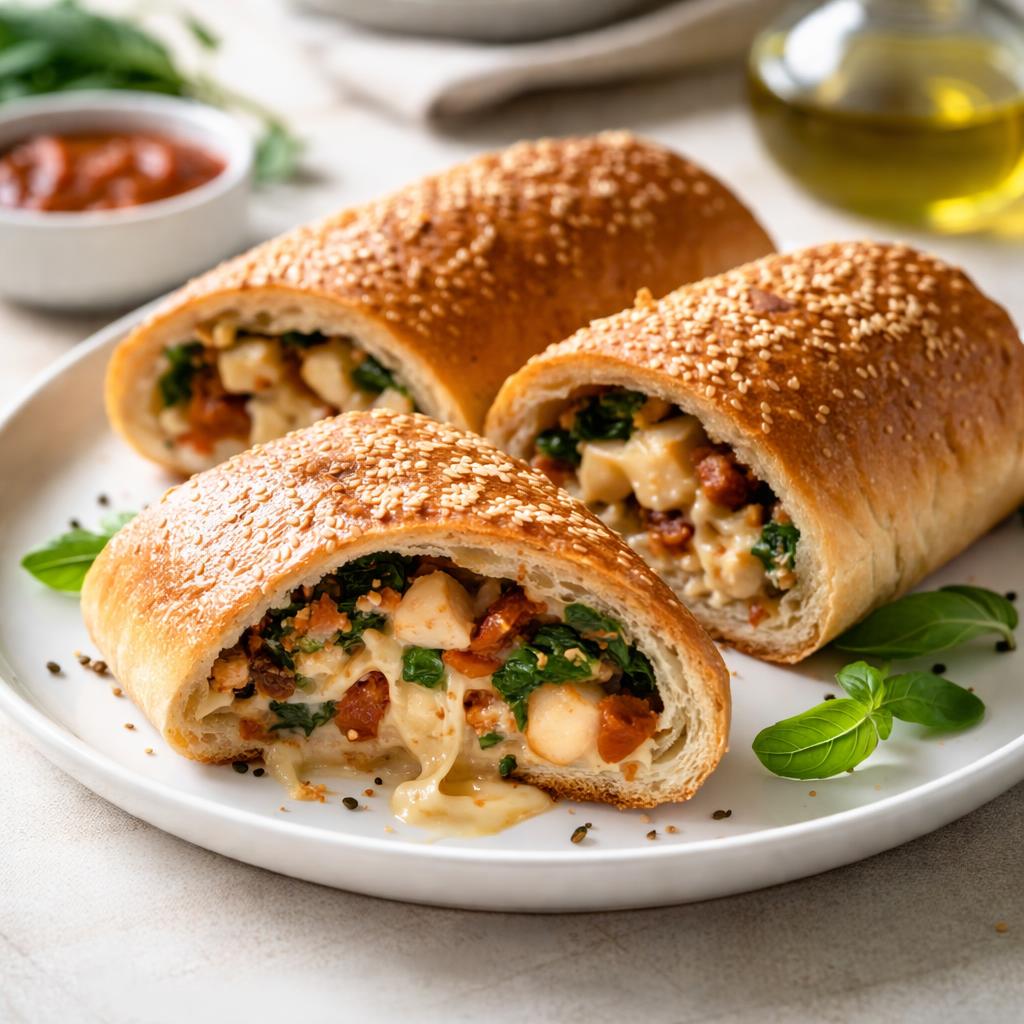
Stuffed Bread
🎯 Quick Verdict
Garlic bread is lower in calories and slightly higher in protein but provides less fiber overall. Stuffed bread, with its nutrient-dense filling, offers more fiber and a wider range of vitamins and minerals, making it the better choice for nutritional density. Garlic bread shines in scenarios where quick energy is needed, while stuffed bread works well as a balanced snack or meal component.

Smart Nutrition Tracking with SnapCalorie

📊 Nutritional Comparison
Macronutrients
| Nutrient | Food 1 | Food 2 | Winner |
|---|---|---|---|
| Calories | 180 | 250 | ✓ |
| Protein | 5g | 4g | ✓ |
| Carbs | 25g | 30g | ✓ |
| Fat | 6g | 9g | ✓ |
| Fiber | 1g | 2.5g | ✓ |
Vitamins & Minerals
| Nutrient | Food 1 | Food 2 | Winner |
|---|---|---|---|
| Vitamin D | 0mcg | 0mcg | − |
| Calcium | 50mg | 80mg | ✓ |
| Iron | 1.5mg | 2mg | ✓ |
🏆 Category Winners
Protein
Garlic bread contains 25% more protein per serving due to protein sources like butter and bread.
Fiber
Stuffed bread provides 150% more fiber largely due to its nutrient-packed filling.
Calories
Garlic bread has 28% fewer calories, making it lighter.
Vitamins
Stuffed bread is richer in calcium and iron, supporting bone health and oxygen transport.
🥗 Diet Compatibility
Keto
Food 1: Not Compatible
Food 2: Not Compatible
Both are high in carbs and not suitable for ketogenic diets.
Vegan
Food 1: Not Compatible
Food 2: Possibly Compatible
Garlic bread typically uses butter and cheese, while stuffed bread can be adapted to include vegan fillings.
Gluten Free
Food 1: Not Compatible
Food 2: Not Compatible
Both contain wheat-based bread, which includes gluten.
Paleo
Food 1: Not Compatible
Food 2: Not Compatible
Neither aligns with paleo principles due to processed bread.
Low-Carb
Food 1: Not Compatible
Food 2: Not Compatible
Both foods have a high carb content (25g+ per serving).
💪 Health Benefits Comparison
Food 1 Benefits
- Lower in calories, suitable for weight management.
- Contains moderate protein for support in energy recovery.
- Offers garlic, known for immune-boosting properties.
Food 2 Benefits
- Higher in fiber, good for supporting digestion.
- More calcium and iron, contributing to bone and blood health.
- Rich filling can include vegetables, benefiting overall nutrient density.
✅ The Bottom Line
Choose garlic bread for lighter carb options and when you need quick energy, such as alongside a meal or as a snack. Opt for stuffed bread for a more balanced and nutritious option, suitable as a standalone snack or small meal with extra fiber and minerals.
Choose Food 1 for: Quick snacks, light meals, weight management
Choose Food 2 for: Balanced snacks, increased fiber intake, nutrient density


