Garlic Bread VS Rye Bread
A detailed nutritional comparison
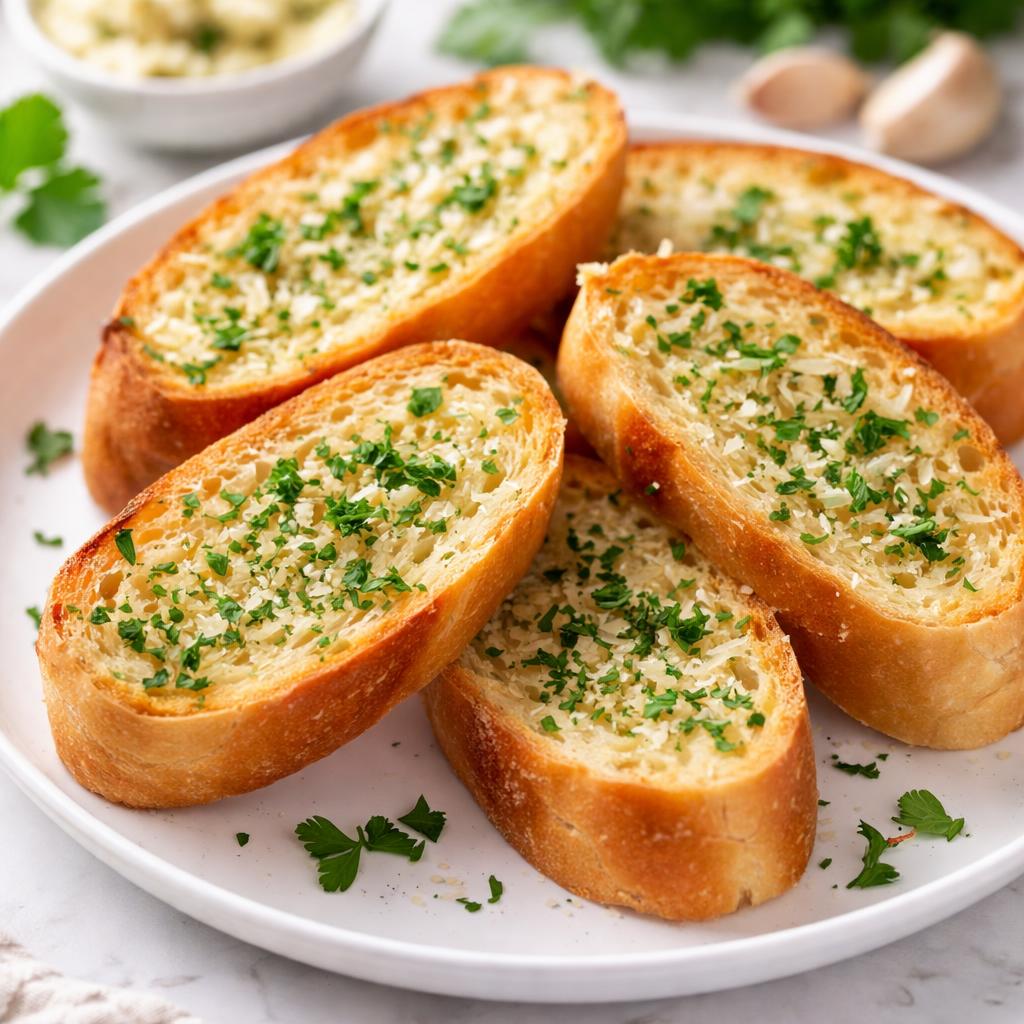
Garlic Bread
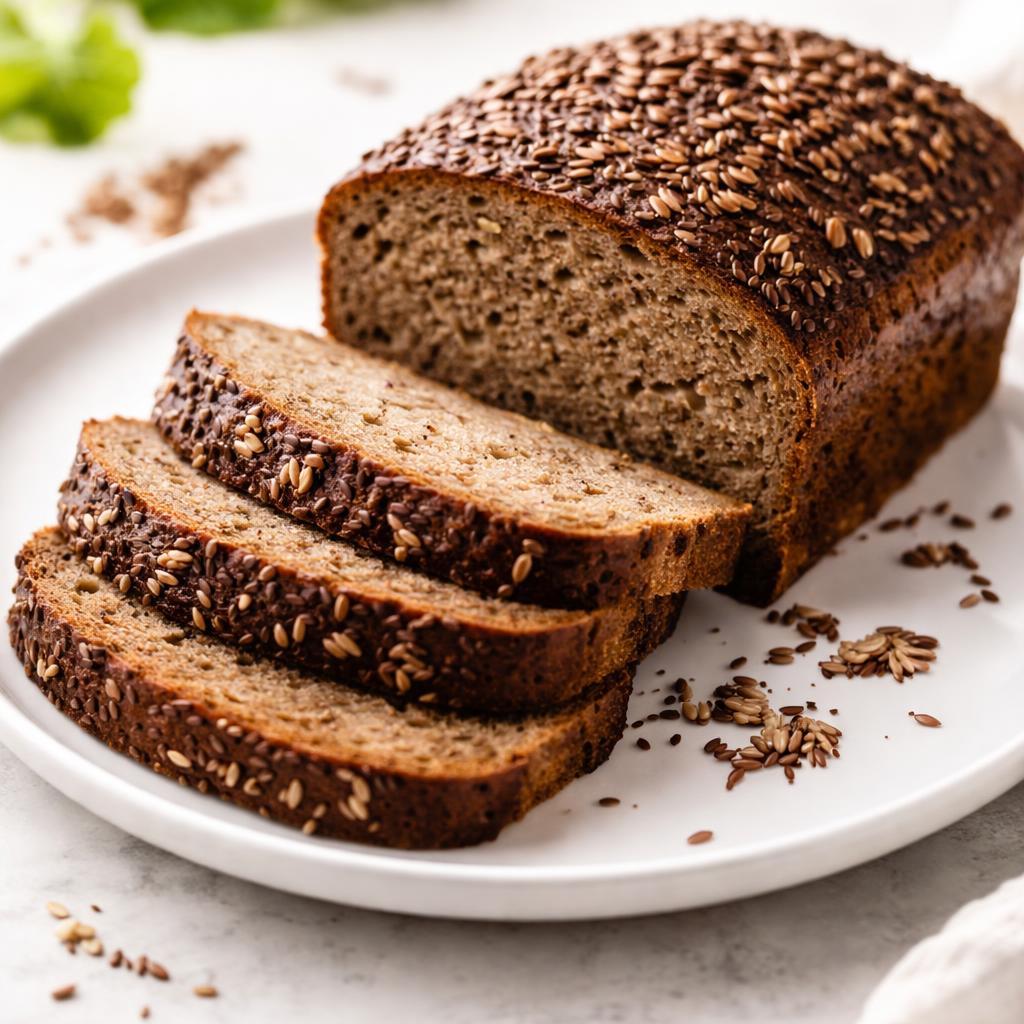
Rye Bread
🎯 Quick Verdict
Rye bread is nutritionally superior with higher protein, fiber, and lower calorie content compared to garlic bread, which is higher in fat and sodium. Rye bread works well for nutrient-dense meals, while garlic bread is better suited as a flavorful addition or indulgent treat.

Smart Nutrition Tracking with SnapCalorie

📊 Nutritional Comparison
Macronutrients
| Nutrient | Food 1 | Food 2 | Winner |
|---|---|---|---|
| Calories | 200 | 165 | ✓ |
| Protein | 6g | 8g | ✓ |
| Carbs | 29g | 30g | ✓ |
| Fat | 9g | 1g | ✓ |
| Fiber | 1g | 5g | ✓ |
Vitamins & Minerals
| Nutrient | Food 1 | Food 2 | Winner |
|---|---|---|---|
| Vitamin D | 0mcg | 0mcg | − |
| Calcium | 50mg | 20mg | ✓ |
| Iron | 1mg | 2mg | ✓ |
🏆 Category Winners
Protein
Rye bread contains 33% more protein compared to garlic bread.
Fiber
Rye bread provides five times more fiber per serving.
Calories
Rye bread has 17.5% fewer calories per serving.
Vitamins
Both are similar in vitamin content, with garlic bread slightly better in calcium.
🥗 Diet Compatibility
Keto
Food 1: Not Compatible
Food 2: Not Compatible
Both are high-carb and unsuitable for ketogenic diets.
Vegan
Food 1: Not Compatible
Food 2: Compatible
Garlic bread typically contains butter, making it non-vegan.
Gluten Free
Food 1: Not Compatible
Food 2: Not Compatible
Both are made with wheat-based ingredients containing gluten.
Paleo
Food 1: Not Compatible
Food 2: Not Compatible
Neither fits the paleo criteria due to grain content.
Low Carb
Food 1: Not Compatible
Food 2: Not Compatible
Both have over 25g of carbohydrates per serving.
💪 Health Benefits Comparison
Food 1 Benefits
- High in energy for quick snacks or indulgences
- Contains small amounts of calcium
- Flavors can enhance meal satisfaction
Food 2 Benefits
- High in fiber, promoting digestive health
- Rich in protein, supporting muscle maintenance
- Contains iron, aiding in red blood cell formation
- Lower in calories, making it a better option for weight management
✅ The Bottom Line
Choose rye bread for its superior nutritional profile, including higher fiber, protein, and lower calorie content. Select garlic bread as an occasional treat or for its flavor-enhancing properties.
Choose Food 1 for: Flavor enhancement, indulgent meals, occasional treat
Choose Food 2 for: Weight management, nutrient-dense diets, heart health


