Garlic Bread VS Keto Bread
A detailed nutritional comparison

Garlic Bread
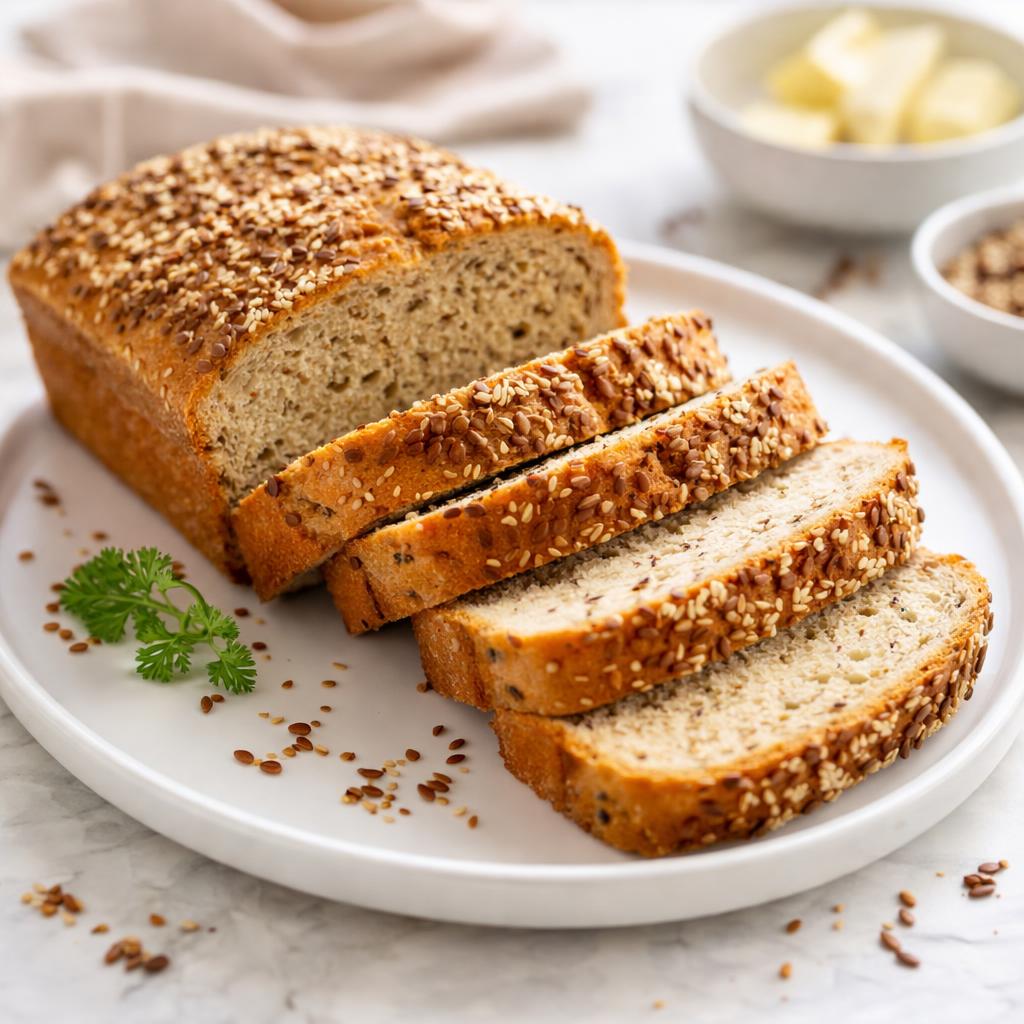
Keto Bread
🎯 Quick Verdict
Keto bread is significantly lower in calories and carbs compared to garlic bread, making it more suitable for low-carb and ketogenic diets. Garlic bread, on the other hand, has higher carbohydrates and calories but offers a savory and satisfying option as a snack or side dish for non-restricted diets.

Smart Nutrition Tracking with SnapCalorie

📊 Nutritional Comparison
Macronutrients
| Nutrient | Food 1 | Food 2 | Winner |
|---|---|---|---|
| Calories | 180 | 90 | ✓ |
| Protein | 6g | 10g | ✓ |
| Carbs | 25g | 5g | ✓ |
| Fat | 6g | 4g | ✓ |
| Fiber | 2g | 6g | ✓ |
Vitamins & Minerals
| Nutrient | Food 1 | Food 2 | Winner |
|---|---|---|---|
| Vitamin D | 0mcg | 2mcg | ✓ |
| Calcium | 50mg | 150mg | ✓ |
| Iron | 1mg | 2mg | ✓ |
🏆 Category Winners
Protein
Keto bread contains 66% more protein per serving.
Fiber
Keto bread offers 3x more fiber than garlic bread.
Calories
Keto bread has 50% fewer calories than garlic bread.
Vitamins
Keto bread is fortified with more micronutrients including calcium and vitamin D.
🥗 Diet Compatibility
Keto
Food 1: Not Compatible
Food 2: Compatible
Keto bread is designed to be low-carb (5g net carbs per serving).
Vegan
Food 1: Not Compatible
Food 2: Depends
Garlic bread typically contains dairy, while keto bread depends on the exact recipe.
Gluten Free
Food 1: Not Compatible
Food 2: Depends
Garlic bread often contains wheat; keto bread may be gluten-free if made with almond or coconut flour.
Paleo
Food 1: Not Compatible
Food 2: Depends
Garlic bread is grain-based; some keto breads may fit paleo guidelines if grain-free.
Low-Carb
Food 1: Not Compatible
Food 2: Compatible
Keto bread is specifically low-carb (5g carbs), while garlic bread contains 25g carbs per serving.
💪 Health Benefits Comparison
Food 1 Benefits
- Provides quick energy due to high carbohydrate content.
- Rich in flavor, making it a satisfying food pairing.
- Contains garlic, which may offer antimicrobial and cardiovascular benefits.
Food 2 Benefits
- Supports a low-carb or ketogenic diet due to minimal carbs.
- High in protein, promoting muscle maintenance and satiety.
- Rich in fiber, aiding digestion and overall gut health.
- Fortified with vitamins and minerals like calcium for bone health.
✅ The Bottom Line
For individuals on low-carb or keto diets, keto bread is the clear winner due to its low calorie, high protein, and fiber content. Garlic bread is best suited for traditional diets where carbs are less restricted, offering a flavorful option for meals or snacks.
Choose Food 1 for: Traditional diets, side dishes, savory snacks
Choose Food 2 for: Weight management, keto or low-carb diets, nutrient density


