Garlic Bread VS Dry Pasta
A detailed nutritional comparison
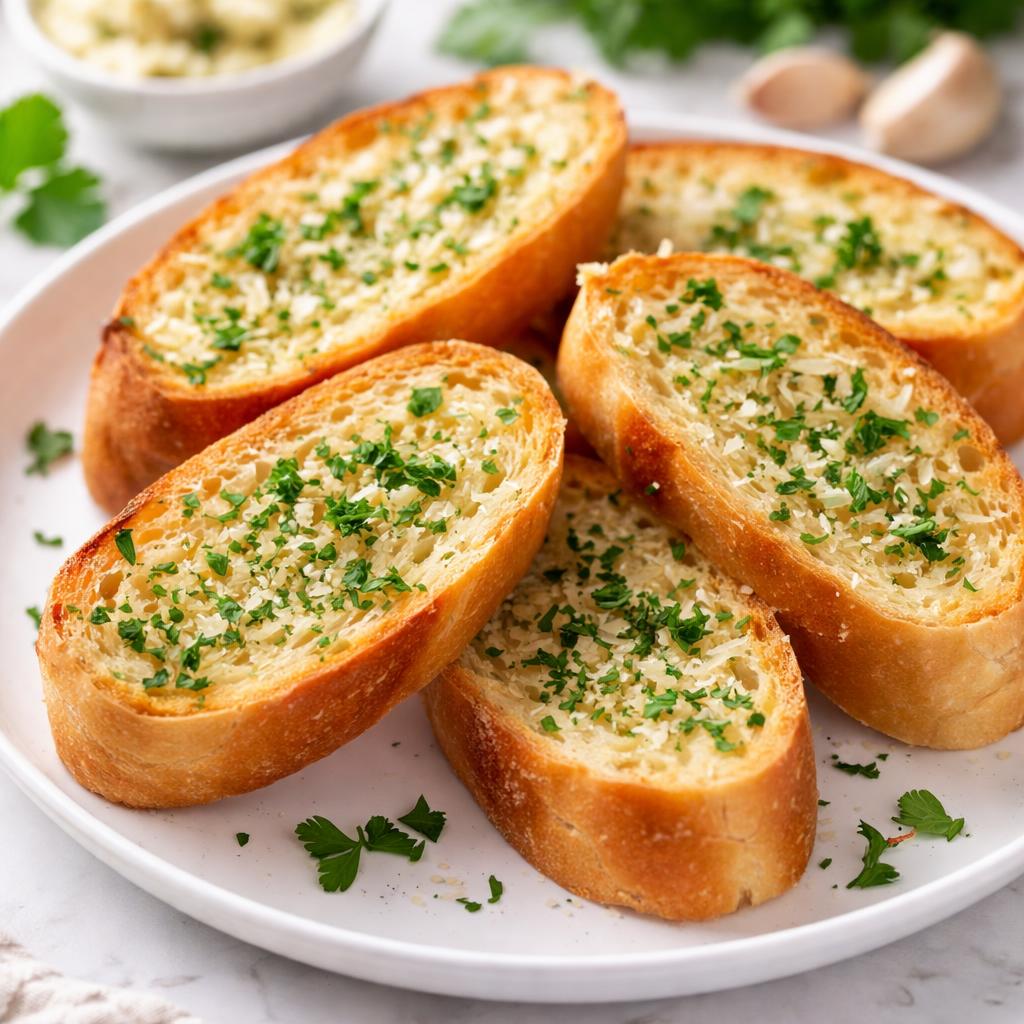
Garlic Bread
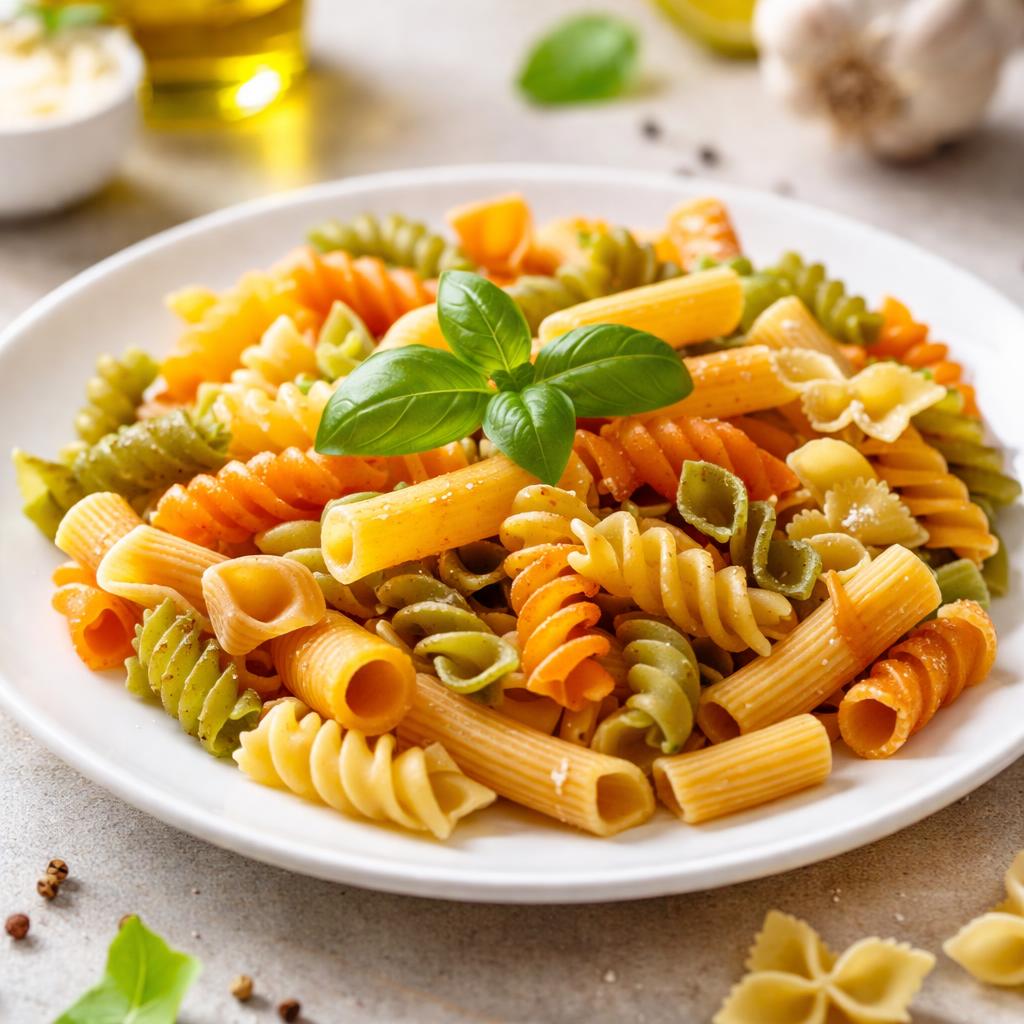
Dry Pasta
🎯 Quick Verdict
Garlic bread is a flavorful side dish with more fat and calories, while dry pasta is a nutrient-dense option with higher protein and lower calorie density per serving. Garlic bread may suit indulgent meals, while pasta works well for creating balanced, customizable dishes with added vegetables and protein sources.

Smart Nutrition Tracking with SnapCalorie

📊 Nutritional Comparison
Macronutrients
| Nutrient | Food 1 | Food 2 | Winner |
|---|---|---|---|
| Calories | 360 | 200 | ✓ |
| Protein | 7g | 13g | ✓ |
| Carbs | 45g | 42g | ✓ |
| Fat | 15g | 1g | ✓ |
| Fiber | 2g | 2g | − |
Vitamins & Minerals
| Nutrient | Food 1 | Food 2 | Winner |
|---|---|---|---|
| Vitamin A | 150IU | 0IU | ✓ |
| Vitamin B6 | 0.07mg | 0.15mg | ✓ |
| Iron | 1.2mg | 1.8mg | ✓ |
| Calcium | 60mg | 20mg | ✓ |
🏆 Category Winners
Protein
Dry pasta contains nearly double the protein of garlic bread per serving.
Fiber
Both foods contain 2g of fiber per serving.
Calories
Dry pasta has 160 fewer calories per serving.
Vitamins
Garlic bread outshines in Vitamin A and Calcium, while dry pasta provides more Iron and Vitamin B6.
🥗 Diet Compatibility
Keto
Food 1: Not Compatible
Food 2: Not Compatible
Both foods are high in carbohydrates.
Vegan
Food 1: Not Compatible
Food 2: Compatible
Garlic bread usually contains butter; dry pasta can be made vegan.
Gluten Free
Food 1: Not Compatible
Food 2: Not Compatible
Both are typically made with wheat flour.
Paleo
Food 1: Not Compatible
Food 2: Not Compatible
Neither aligns with paleo guidelines due to grain use.
Low-Carb
Food 1: Not Compatible
Food 2: Not Compatible
Both are high in carbohydrates.
💪 Health Benefits Comparison
Food 1 Benefits
- Contains calcium for bone health
- Provides Vitamin A which supports vision
- Great flavor enhancer to complement meals
Food 2 Benefits
- High in protein to support muscle function
- Rich in iron that contributes to oxygen transport
- Low-fat option for lighter meals
✅ The Bottom Line
Garlic bread is a delicious choice when you want a savory but indulgent side dish, while dry pasta offers a more versatile base to create nutrient-dense meals. Choose garlic bread for added flavor or pasta for a balanced and customizable option.
Choose Food 1 for: Flavorful side dish, indulgence, quick snacks
Choose Food 2 for: Balanced meals, high-protein diets, muscle-building


