Garlic Bread VS Buttered Bread
A detailed nutritional comparison
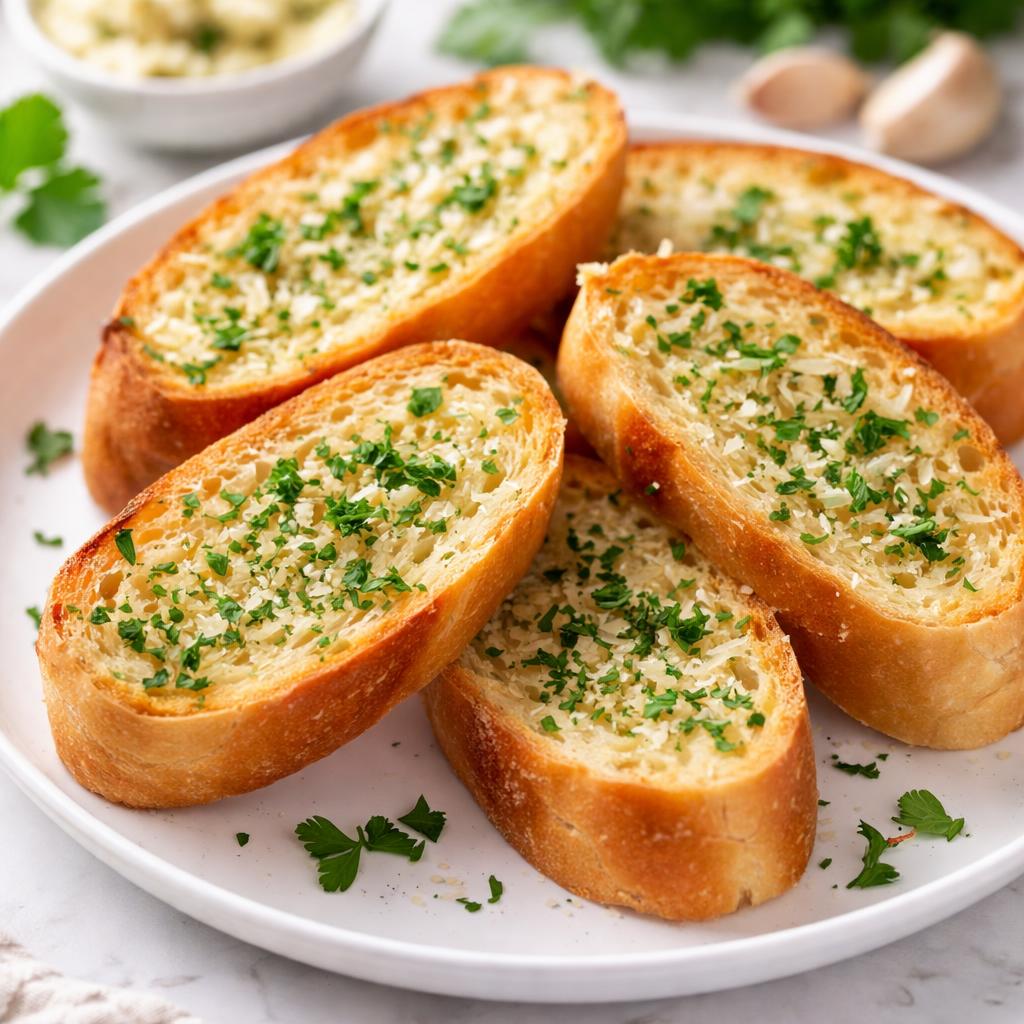
Garlic Bread
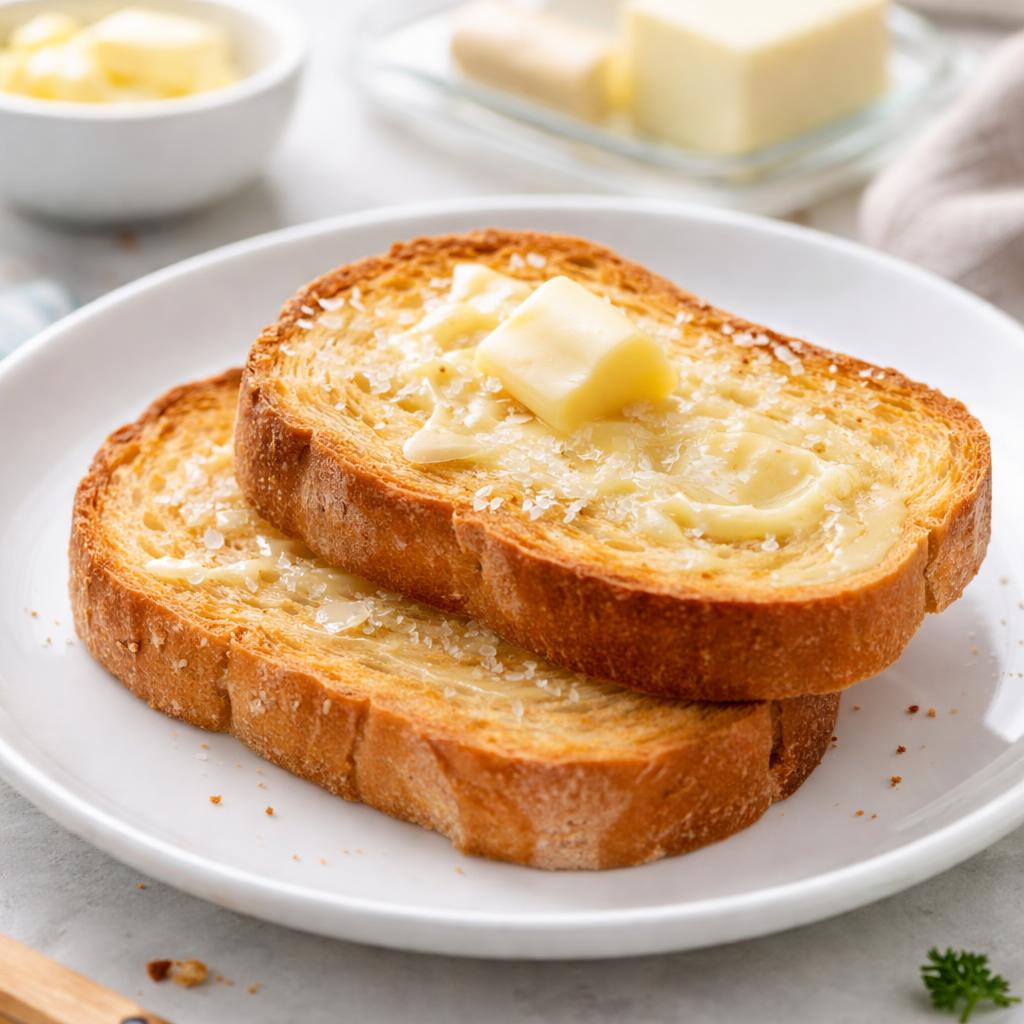
Buttered Bread
🎯 Quick Verdict
Garlic bread tends to be higher in fiber and offers additional flavor due to garlic and seasoning, while buttered bread is lower in calories and fat. Garlic bread is ideal for flavorful side dishes, whereas buttered bread is simpler and calorie-conscious for everyday meals. Both have similar protein content but differ in health benefits depending on the preparation style.

Smart Nutrition Tracking with SnapCalorie

📊 Nutritional Comparison
Macronutrients
| Nutrient | Food 1 | Food 2 | Winner |
|---|---|---|---|
| Calories | 180 | 150 | ✓ |
| Protein | 4g | 4g | − |
| Carbs | 30g | 25g | ✓ |
| Fat | 7g | 6g | ✓ |
| Fiber | 2g | 1g | ✓ |
Vitamins & Minerals
| Nutrient | Food 1 | Food 2 | Winner |
|---|---|---|---|
| Vitamin D | 0mcg | 0mcg | − |
| Calcium | 30mg | 20mg | ✓ |
| Iron | 1mg | 0.7mg | ✓ |
🏆 Category Winners
Protein
Both foods provide 4g of protein per serving.
Fiber
Food1 contains twice the fiber, likely due to added garlic or whole-grain components.
Calories
Food2 is 16% lower in calories per serving due to simpler ingredients.
🥗 Diet Compatibility
Keto
Food 1: Not Compatible
Food 2: Not Compatible
Both contain high levels of carbs (~25-30g per serving).
Vegan
Food 1: Not Compatible
Food 2: Not Compatible
Butter and garlic bread typically contain dairy or animal-derived components.
Gluten Free
Food 1: Not Compatible
Food 2: Not Compatible
Both are made from wheat-based bread products.
Paleo
Food 1: Not Compatible
Food 2: Not Compatible
The bread base does not align with paleo principles.
Low Carb
Food 1: Not Compatible
Food 2: Not Compatible
The high carb content makes both foods unsuitable for low-carb diets.
💪 Health Benefits Comparison
Food 1 Benefits
- Provides fiber for better digestion
- Contains garlic which may support immune health
- Higher calcium content for bone support
- Rich in flavor, enhancing meal satisfaction
Food 2 Benefits
- Lower in calories, good for calorie-conscious diets
- Simpler ingredients, easier on digestion
- Provides healthy fats from butter in moderation
- Comfort food factor improves mood and satiety
✅ The Bottom Line
Garlic bread is the better option for enhancing meals with extra flavor and boosting fiber, but buttered bread wins for simplicity and lower calories. Choose garlic bread for fancy sides or to elevate dishes, and buttered bread for lighter everyday options.
Choose Food 1 for: Side dishes, flavor enhancement, fiber intake
Choose Food 2 for: Calorie-conscious meals, simple comfort food


