Garlic Bread VS Black Bread
A detailed nutritional comparison
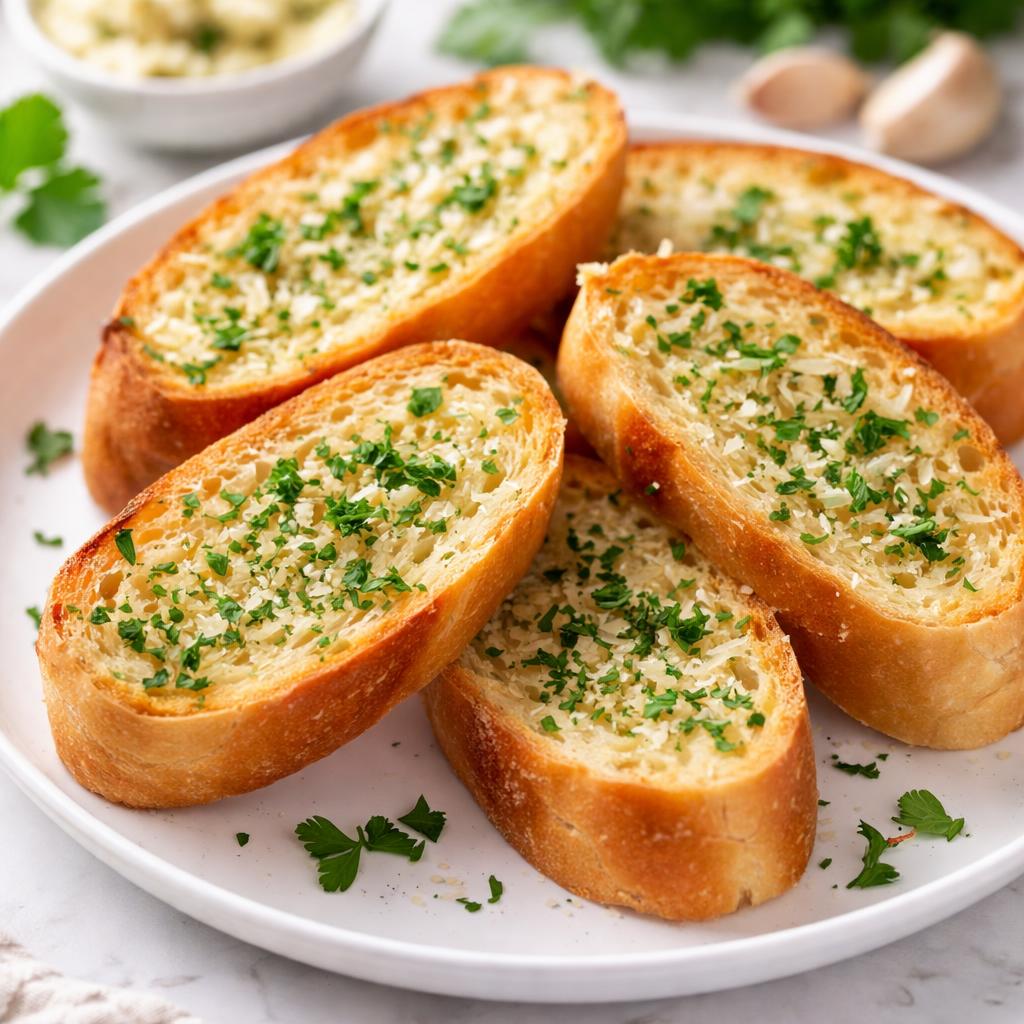
Garlic Bread
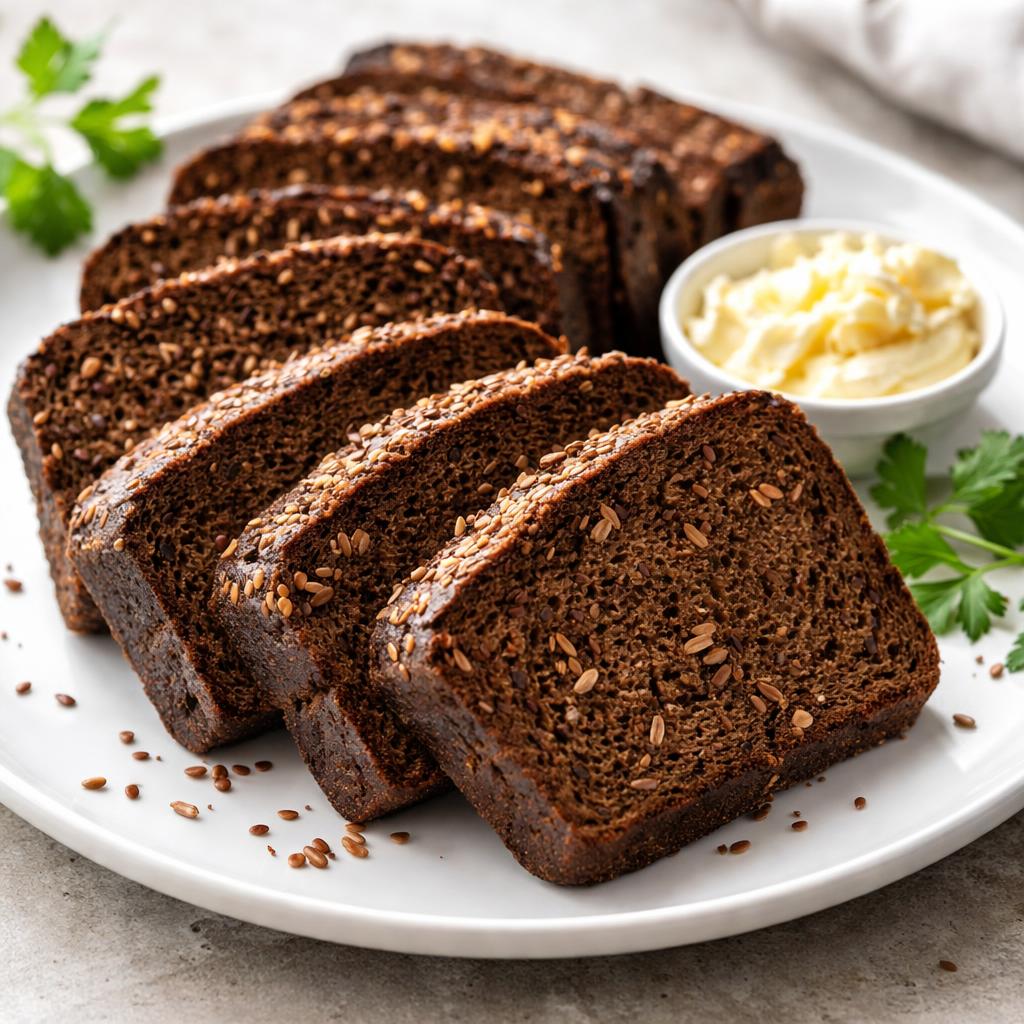
Black Bread
🎯 Quick Verdict
Black bread is nutritionally superior to garlic bread, offering more protein, fiber, and significantly fewer calories per serving. Garlic bread provides indulgent flavor and higher fat content, making it more suited for occasional enjoyment rather than everyday consumption. For health-conscious diets, black bread is the clear winner due to its nutrient density and lower caloric load.

Smart Nutrition Tracking with SnapCalorie

📊 Nutritional Comparison
Macronutrients
| Nutrient | Food 1 | Food 2 | Winner |
|---|---|---|---|
| Calories | 200 | 120 | ✓ |
| Protein | 5g | 8g | ✓ |
| Carbs | 25g | 21g | ✓ |
| Fat | 9g | 1g | ✓ |
| Fiber | 1g | 5g | ✓ |
Vitamins & Minerals
| Nutrient | Food 1 | Food 2 | Winner |
|---|---|---|---|
| Vitamin D | 0mcg | 0mcg | − |
| Calcium | 50mg | 100mg | ✓ |
| Iron | 1mg | 3mg | ✓ |
| Potassium | 70mg | 200mg | ✓ |
🏆 Category Winners
Protein
Black bread has 60% more protein per serving.
Fiber
Black bread offers five times more fiber compared to garlic bread.
Calories
Black bread contains 40% fewer calories per serving.
Vitamins
Black bread is richer in key vitamins and minerals like calcium and iron.
🥗 Diet Compatibility
Keto
Food 1: Not Compatible
Food 2: Not Compatible
Both are high in carbs and not suitable for ketogenic diets.
Vegan
Food 1: Not Compatible
Food 2: Compatible
Garlic bread often contains butter, making it non-vegan, while black bread is plant-based.
Gluten Free
Food 1: Not Compatible
Food 2: Not Compatible
Both contain gluten unless specifically labeled as gluten-free.
Paleo
Food 1: Not Compatible
Food 2: Not Compatible
Neither aligns with paleo dietary principles due to processed grains.
Low Carb
Food 1: Not Compatible
Food 2: Not Compatible
Both are comparatively high in carbohydrates.
💪 Health Benefits Comparison
Food 1 Benefits
- Provides quick energy due to higher carbohydrate content
- Contains healthy fats from butter or oil (depending on preparation)
- Indulgent flavor profile for occasional enjoyment
Food 2 Benefits
- High fiber content supports digestion and gut health
- Rich in protein helping muscle maintenance and repair
- Contains essential minerals like calcium and iron
✅ The Bottom Line
Garlic bread is best enjoyed as a treat or complement to meals for its savory flavor but less suitable for regular consumption due to higher calories and fats. Black bread is the healthier choice, offering more protein, fiber, and fewer calories, making it ideal for health-focused individuals seeking nutrient-dense bread options.
Choose Food 1 for: Occasional enjoyment, pairing with soups or pasta, indulgent meals
Choose Food 2 for: Everyday consumption, weight management, nutrient-rich diets


