Garlic Bread VS Barley
A detailed nutritional comparison
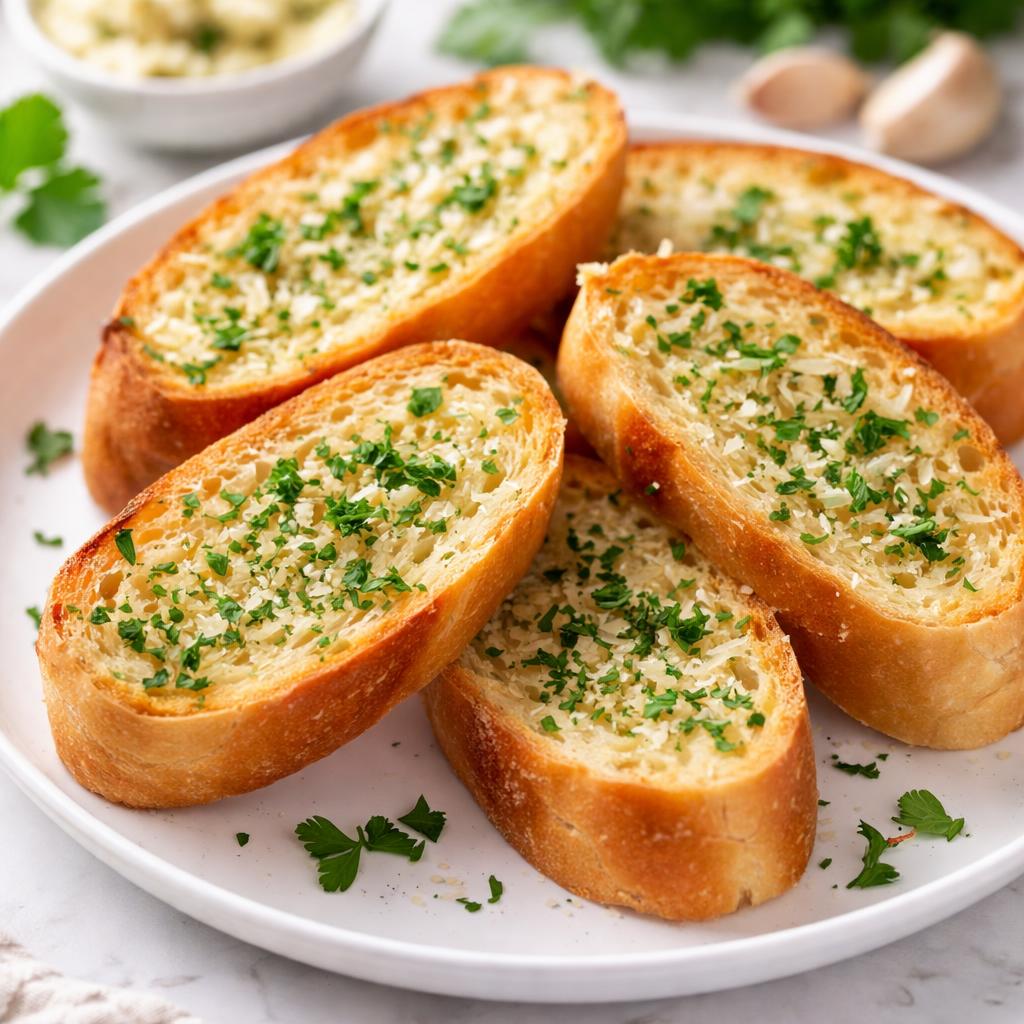
Garlic Bread
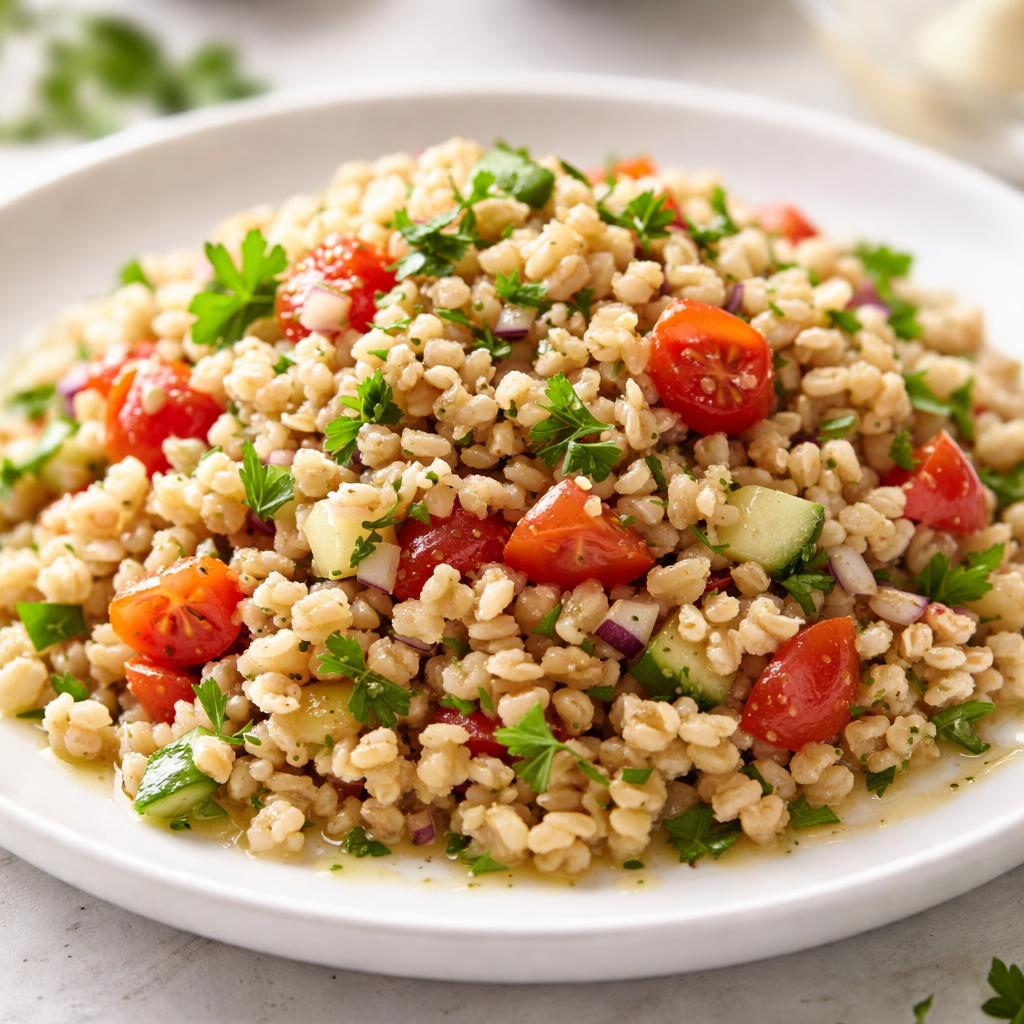
Barley
🎯 Quick Verdict
Barley is significantly more nutrient-dense compared to garlic bread, offering higher protein, fiber, and fewer calories per serving while being a good source of vitamins and minerals. Garlic bread is better suited for quick energy and flavor and fits occasions like pairing with a meal, but it is calorie-dense and lower in overall nutrients than barley.

Smart Nutrition Tracking with SnapCalorie

📊 Nutritional Comparison
Macronutrients
| Nutrient | Food 1 | Food 2 | Winner |
|---|---|---|---|
| Calories | 200 kcal | 123 kcal | ✓ |
| Protein | 4g | 12g | ✓ |
| Carbs | 32g | 28g | ✓ |
| Fat | 7g | 0.5g | ✓ |
| Fiber | 1g | 6g | ✓ |
Vitamins & Minerals
| Nutrient | Food 1 | Food 2 | Winner |
|---|---|---|---|
| Vitamin D | 0mcg | 0mcg | − |
| Calcium | 50mg | 30mg | ✓ |
| Iron | 1mg | 2mg | ✓ |
| Magnesium | 10mg | 50mg | ✓ |
🏆 Category Winners
Protein
Barley contains 3x more protein per serving compared to garlic bread.
Fiber
Barley is much richer in fiber, providing 6g compared to 1g in garlic bread.
Calories
Barley is lower in calories per serving, which makes it more weight-loss-friendly.
Vitamins
Barley has higher levels of minerals like iron and magnesium.
🥗 Diet Compatibility
Keto
Food 1: Not Compatible
Food 2: Not Compatible
Both foods contain too many carbs for a keto diet.
Vegan
Food 1: Depends on recipe (vegan version possible)
Food 2: Compatible
Barley is naturally vegan, while garlic bread may need vegan substitutes.
Gluten Free
Food 1: Not Compatible
Food 2: Not Compatible
Both contain gluten as garlic bread uses wheat flour and barley is naturally high in gluten.
Paleo
Food 1: Not Compatible
Food 2: Not Compatible
Neither fits the grain-free restrictions of the Paleo diet.
Low-Carb
Food 1: Not Compatible
Food 2: Not Compatible
Both foods are moderate to high-carb.
💪 Health Benefits Comparison
Food 1 Benefits
- Provides quick energy from carbohydrates
- Contains small amounts of calcium for bone health
- Adds flavor and enjoyment as part of meals
Food 2 Benefits
- Rich in fiber to improve digestion
- Provides protein for muscle maintenance
- Contains iron and magnesium for energy production and bone strength
- Lower calorie density helps with weight management
✅ The Bottom Line
Barley emerges as the more nutrient-dense choice for its protein, fiber, and mineral content, making it ideal for supporting sustained energy and digestion. Garlic bread, though lower in nutrients, serves as a flavorful and occasional treat or side dish.
Choose Food 1 for: Flavor enhancement, quick energy, casual meals or snacks
Choose Food 2 for: Healthy diets, weight management, nutrient-dense meal planning


