Fried Noodles VS Bread Bun
A detailed nutritional comparison
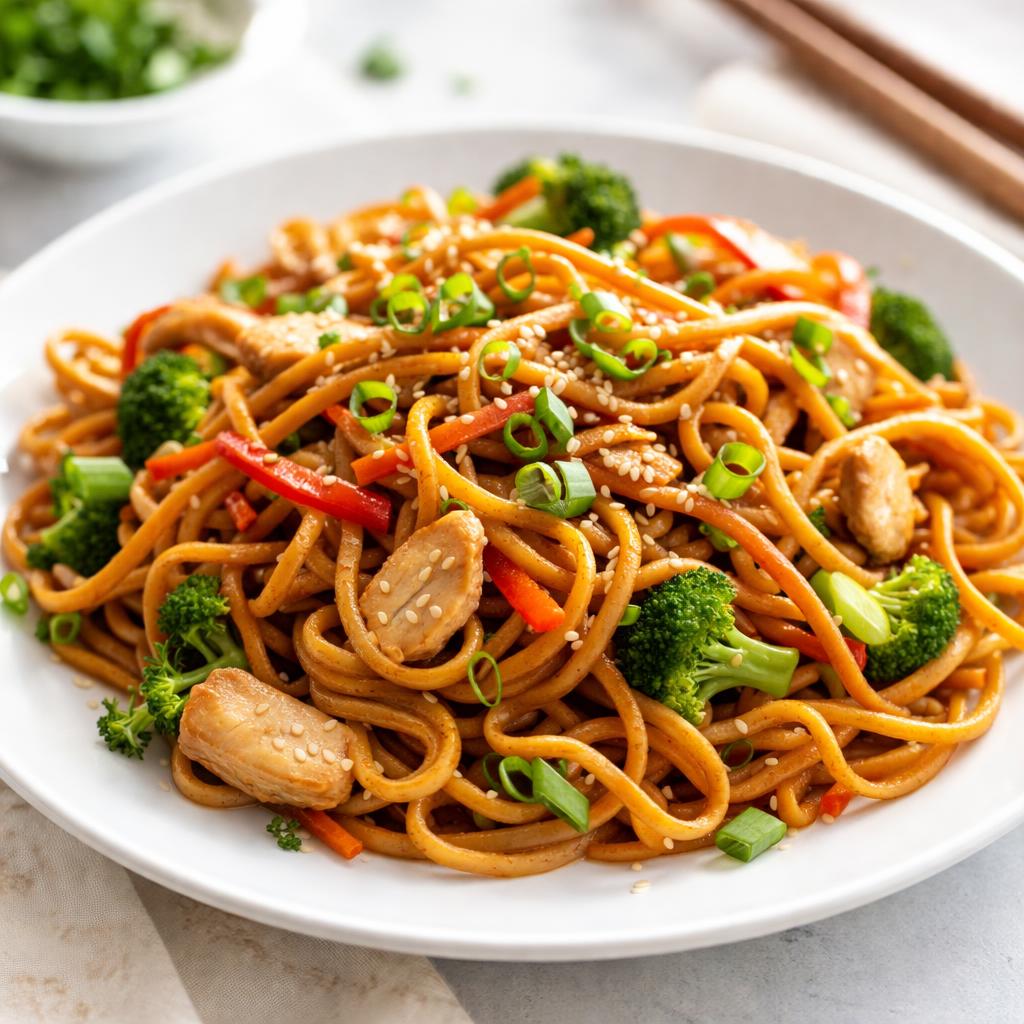
Fried Noodles
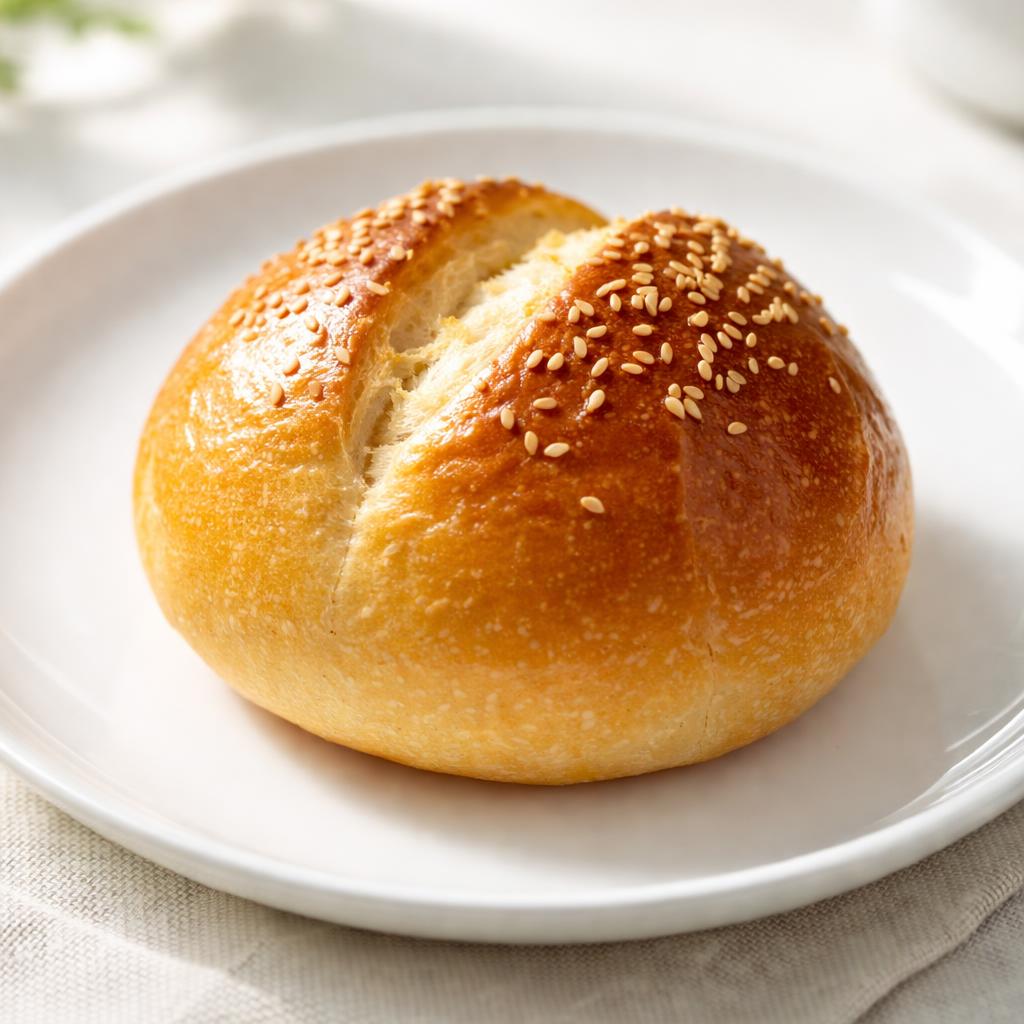
Bread Bun
🎯 Quick Verdict
Bread buns generally offer fewer calories, more fiber, and higher protein compared to fried noodles, making them a better choice for health-conscious eaters. Fried noodles are higher in fat and carbs due to the oil and added ingredients, making them a calorie-dense energy source for occasional indulgence rather than regular consumption.

Smart Nutrition Tracking with SnapCalorie

📊 Nutritional Comparison
Macronutrients
| Nutrient | Food 1 | Food 2 | Winner |
|---|---|---|---|
| Calories | 350 | 230 | ✓ |
| Protein | 8g | 10g | ✓ |
| Carbs | 45g | 38g | ✓ |
| Fat | 15g | 4g | ✓ |
| Fiber | 2g | 3g | ✓ |
Vitamins & Minerals
| Nutrient | Food 1 | Food 2 | Winner |
|---|---|---|---|
| Vitamin D | 0mcg | 0mcg | − |
| Calcium | 40mg | 100mg | ✓ |
| Iron | 1mg | 2mg | ✓ |
🏆 Category Winners
Protein
Bread bun has 25% more protein than fried noodles.
Fiber
Bread bun contains 50% more fiber per serving.
Calories
Bread bun is 34% lower in calories compared to fried noodles.
🥗 Diet Compatibility
Keto
Food 1: Not Compatible
Food 2: Not Compatible
Both foods are high in carbs.
Vegan
Food 1: Compatible
Food 2: Compatible
Both foods are typically plant-based unless additional non-vegan ingredients are added.
Gluten Free
Food 1: Not Compatible
Food 2: Not Compatible
Both foods contain gluten unless labeled gluten-free.
Paleo
Food 1: Not Compatible
Food 2: Not Compatible
Neither food aligns with paleo principles, as they are grain-based and processed.
Low-Carb
Food 1: Not Compatible
Food 2: Not Compatible
Both foods are high in carbohydrates and do not meet low-carb requirements.
💪 Health Benefits Comparison
Food 1 Benefits
- Quick source of energy due to high carb content
- Flavorful and satisfying as an indulgent meal
- Contains small amounts of minerals like iron
Food 2 Benefits
- Higher protein content helps with muscle repair and satiety
- More fiber supports digestion and gut health
- Lower in calories, ideal for weight management
✅ The Bottom Line
Bread buns outperform fried noodles in terms of overall nutrition due to lower calories, higher protein, and more fiber. Fried noodles are better suited for occasional indulgence or when you need a quick energy boost. Bread buns may fit better into a regular diet aimed at weight management or balanced nutrition.
Choose Food 1 for: Occasional indulgence, quick energy boost, satisfying flavor
Choose Food 2 for: Balanced meals, weight management, higher protein intake


