Flatbread VS Keto Bread
A detailed nutritional comparison
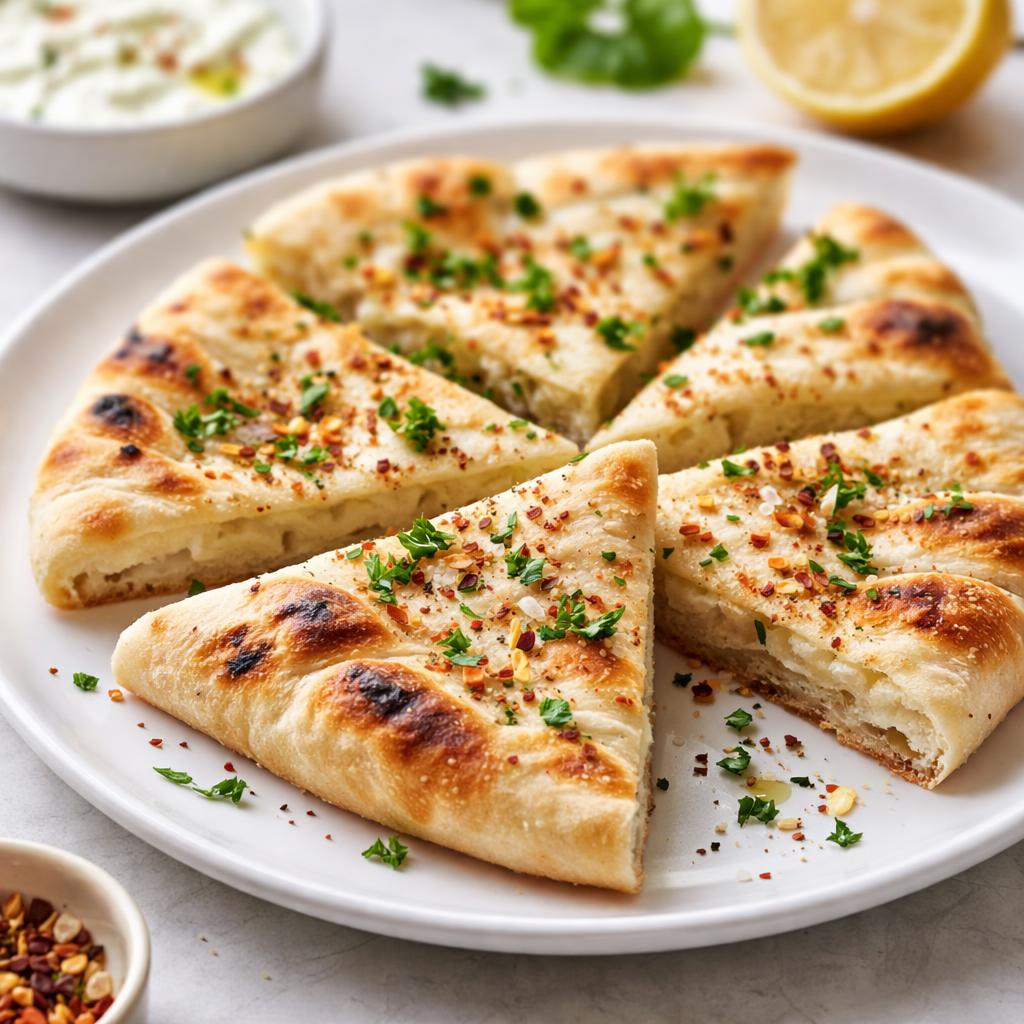
Flatbread
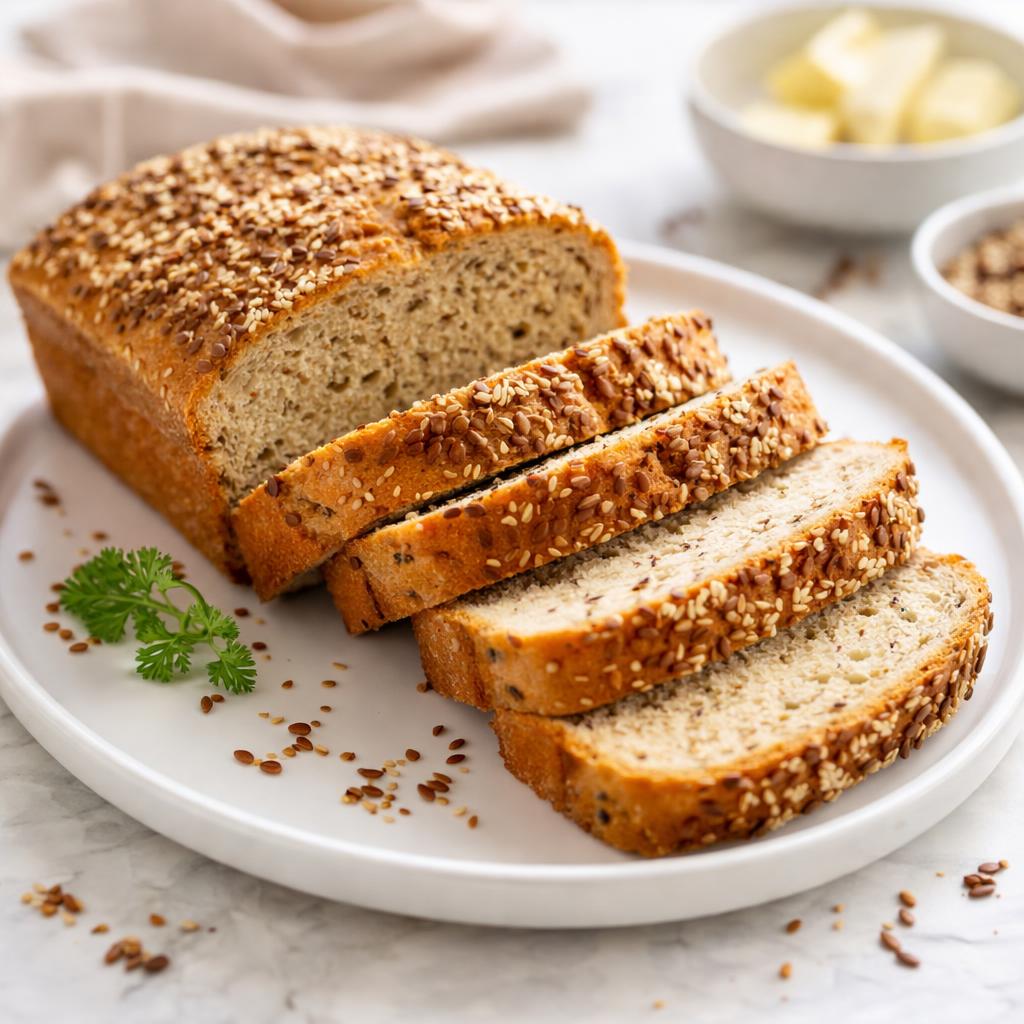
Keto Bread
🎯 Quick Verdict
Flatbread and keto bread differ primarily in their nutritional focus. Flatbread is higher in carbs and calories, making it suitable for energy needs, but keto bread offers more protein and fiber with fewer carbs, ideal for low-carb and keto diets. Choose flatbread for traditional meals and keto bread for dietary flexibility and weight management goals.

Smart Nutrition Tracking with SnapCalorie

📊 Nutritional Comparison
Macronutrients
| Nutrient | Food 1 | Food 2 | Winner |
|---|---|---|---|
| Calories | 190 | 120 | ✓ |
| Protein | 6g | 10g | ✓ |
| Carbs | 30g | 8g | ✓ |
| Fat | 3g | 4g | ✓ |
| Fiber | 1g | 9g | ✓ |
Vitamins & Minerals
| Nutrient | Food 1 | Food 2 | Winner |
|---|---|---|---|
| Vitamin D | 0mcg | 0.5mcg | ✓ |
| Calcium | 30mg | 80mg | ✓ |
| Iron | 1.8mg | 3mg | ✓ |
🏆 Category Winners
Protein
Keto bread provides 67% more protein per serving.
Fiber
Keto bread offers 9x the fiber compared to flatbread.
Calories
Keto bread has 37% fewer calories per serving.
Vitamins
Keto bread contains slightly more micronutrients, including calcium and iron.
🥗 Diet Compatibility
Keto
Food 1: Not Compatible
Food 2: Compatible
Food2 is low-carb with only 8g per serving.
Vegan
Food 1: Not Compatible
Food 2: Compatible
Certain flatbreads may contain dairy, but keto bread is generally plant-based.
Gluten Free
Food 1: Not Compatible
Food 2: Compatible
Flatbread typically contains wheat, while keto bread can be gluten-free.
Paleo
Food 1: Not Compatible
Food 2: Not Compatible
Both contain ingredients not permitted in strict paleo diets.
Low-Carb
Food 1: Not Compatible
Food 2: Compatible
Food2 is specifically designed to be low in carbohydrates.
💪 Health Benefits Comparison
Food 1 Benefits
- Quick source of energy through carbohydrates
- Versatile for wraps and flatbread pizzas
- Provides some iron and basic nutrients
Food 2 Benefits
- High in fiber for improved digestion
- Supports weight management with lower calorie and carb content
- Good for muscle health with higher protein levels
- Contains more micronutrients like calcium and iron
✅ The Bottom Line
If you're looking for a high-protein, low-carb option suitable for keto or weight management, keto bread is the clear winner. However, flatbread is a better choice for those focused on energy-rich meals or traditional wraps and pizzas. Think about your dietary goals before making the choice.
Choose Food 1 for: Traditional wraps, higher carb needs, quick energy
Choose Food 2 for: Weight management, keto and low-carb diets, digestion support


