Flatbread VS Garlic Bread
A detailed nutritional comparison
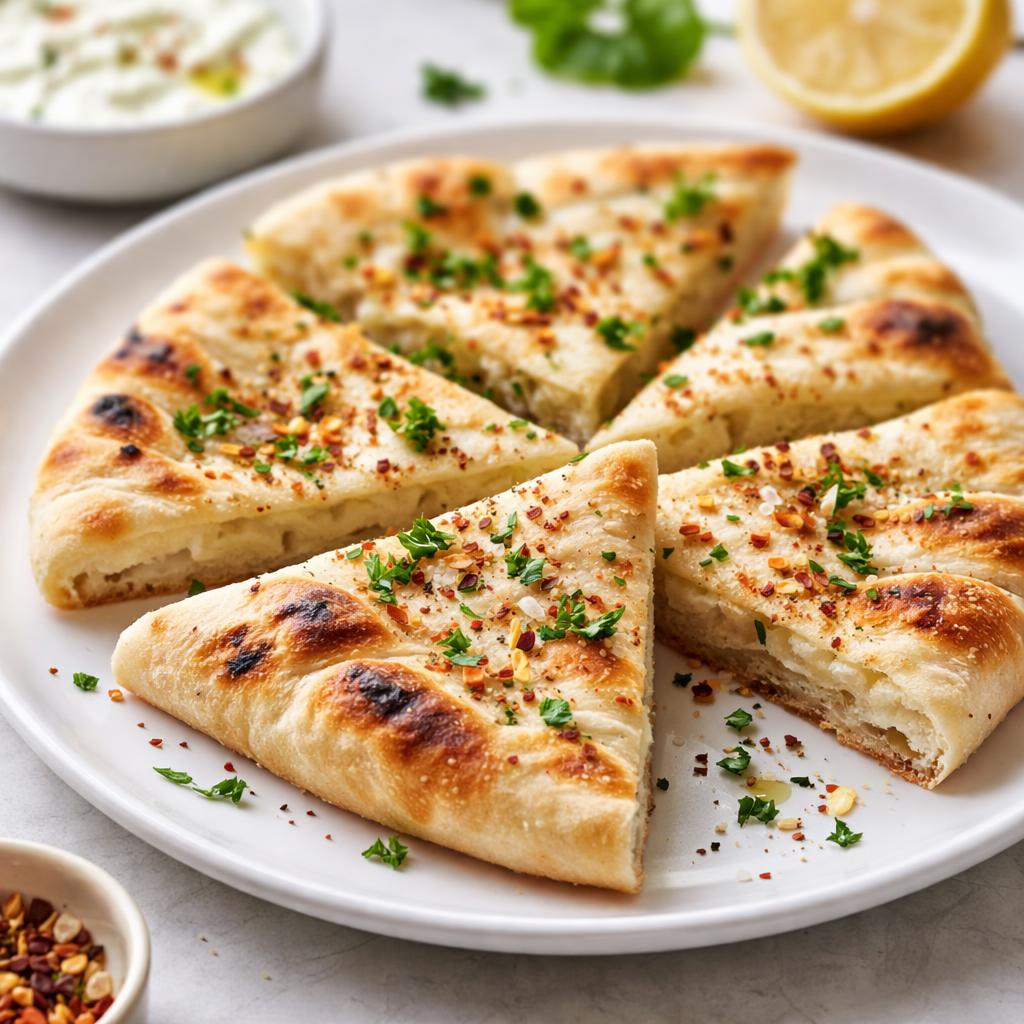
Flatbread
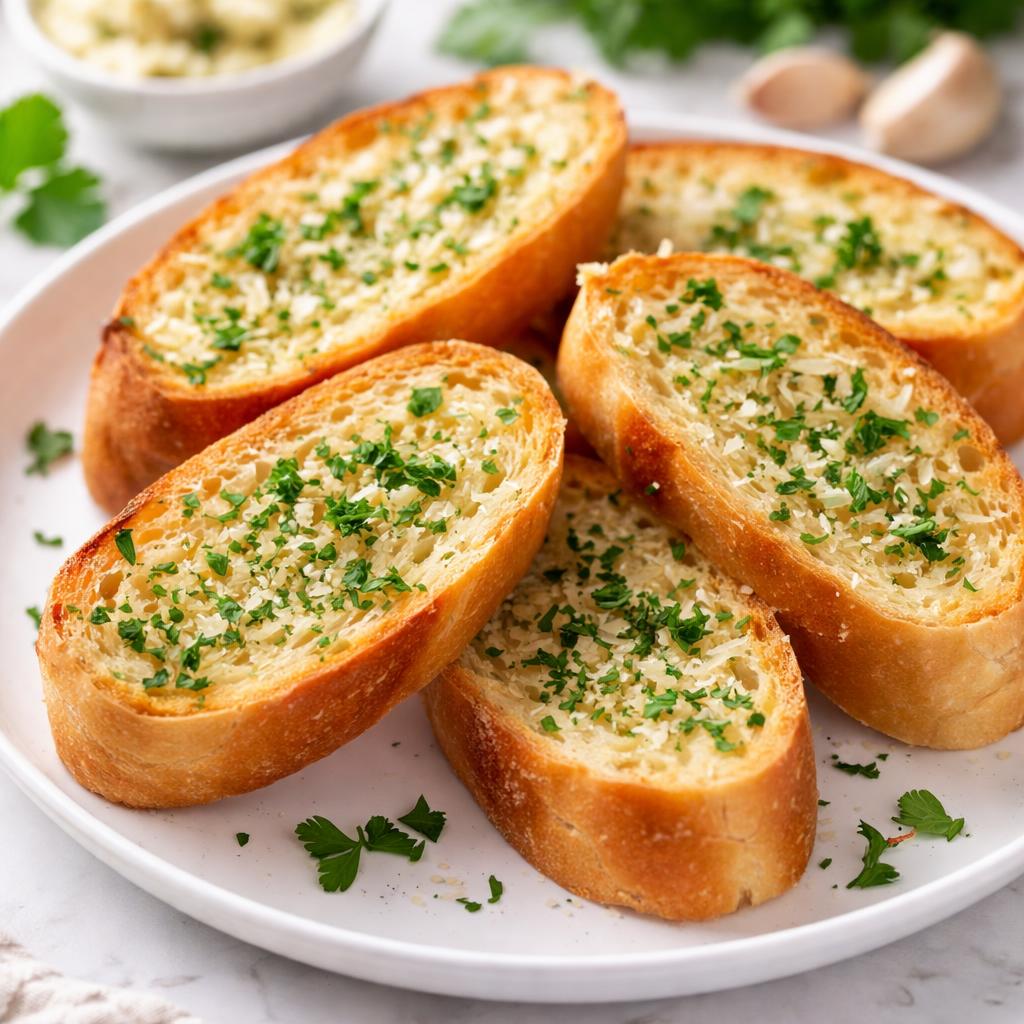
Garlic Bread
🎯 Quick Verdict
Flatbread is overall lighter with fewer calories (150 vs 200), higher protein (6g vs 4g), and more fiber (3g vs 1g) per serving, making it better suited for health-focused diets. Garlic bread is richer in fat (10g vs 4g) and calories, offering a more indulgent option and flavor for occasions where taste is a priority.

Smart Nutrition Tracking with SnapCalorie

📊 Nutritional Comparison
Macronutrients
| Nutrient | Food 1 | Food 2 | Winner |
|---|---|---|---|
| Calories | 150 | 200 | ✓ |
| Protein | 6g | 4g | ✓ |
| Carbs | 22g | 25g | ✓ |
| Fat | 4g | 10g | ✓ |
| Fiber | 3g | 1g | ✓ |
Vitamins & Minerals
| Nutrient | Food 1 | Food 2 | Winner |
|---|---|---|---|
| Vitamin D | 0mcg | 0mcg | − |
| Calcium | 50mg | 80mg | ✓ |
| Iron | 1.8mg | 0.9mg | ✓ |
🏆 Category Winners
Protein
Flatbread contains 50% more protein per serving compared to garlic bread.
Fiber
Flatbread is higher in fiber, with three times the amount found in garlic bread.
Calories
Flatbread has 25% fewer calories per serving.
Vitamins
Garlic bread provides more calcium, contributing to bone health.
🥗 Diet Compatibility
Keto
Food 1: Not Compatible
Food 2: Not Compatible
Both foods are high in carbs and not suitable for keto diets.
Vegan
Food 1: Conditionally Compatible
Food 2: Not Compatible
Flatbread can be vegan if made without dairy; garlic bread typically contains butter.
Gluten Free
Food 1: Not Compatible
Food 2: Not Compatible
Both foods contain gluten due to flour content.
Paleo
Food 1: Not Compatible
Food 2: Not Compatible
Neither aligns with paleo principles due to processed ingredients like flour.
Low-Carb
Food 1: Not Compatible
Food 2: Not Compatible
Both foods contain over 20g carbs per serving, exceeding low-carb thresholds.
💪 Health Benefits Comparison
Food 1 Benefits
- Lower calorie content supports weight management.
- Higher fiber aids digestion and promotes gut health.
- Rich in protein for muscle maintenance and satiety.
Food 2 Benefits
- Provides healthy fats for energy and flavor.
- Enhances calcium intake for stronger bones.
- Antioxidants from garlic support immunity and heart health.
✅ The Bottom Line
Flatbread is a healthier, lower-calorie option that works well for weight-conscious meals or as a base for nutrient-dense toppings. Garlic bread is better for indulgent side dishes or flavorful, comfort-food moments, enriched by healthy fats and garlic nutrients.
Choose Food 1 for: Weight loss, vegetarian toppings, lighter meals
Choose Food 2 for: Comfort food, flavor enhancement, family dinners


