Egg VS Tea
A detailed nutritional comparison
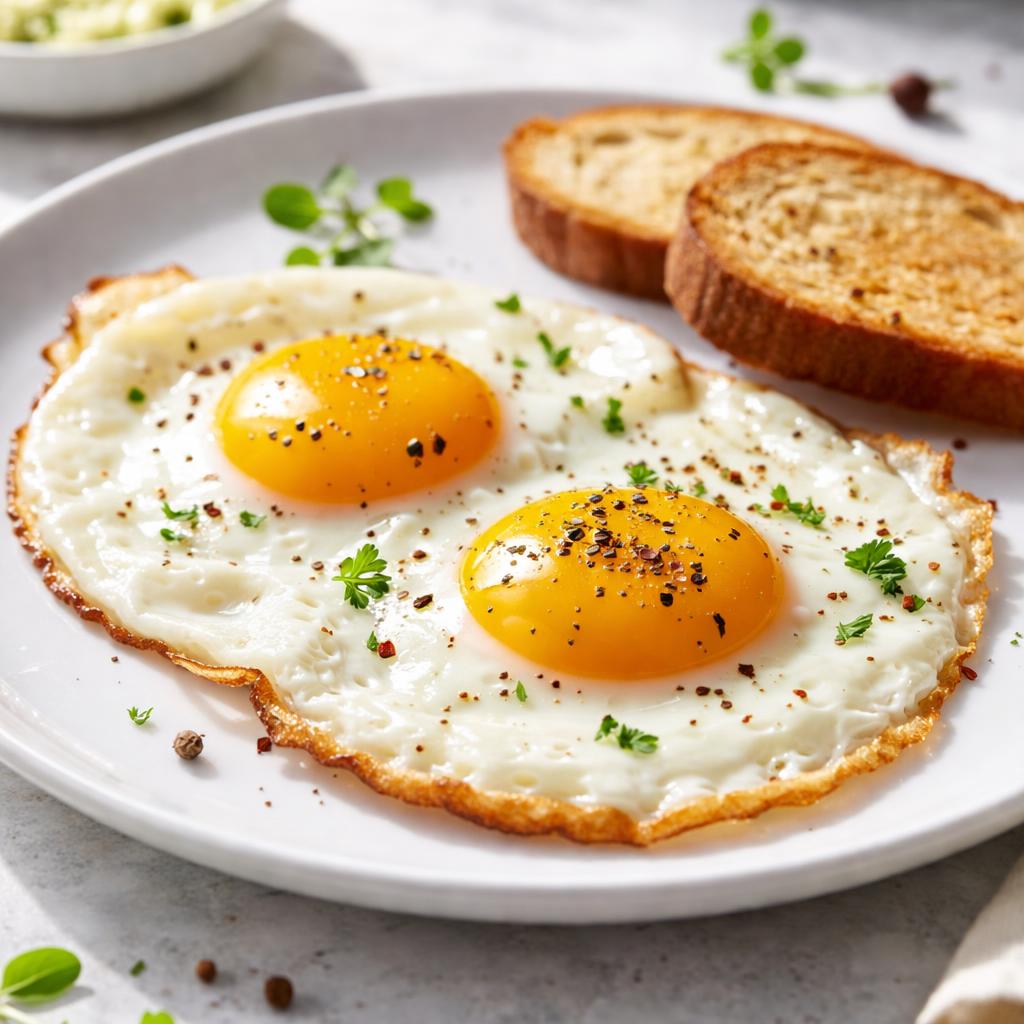
Egg

Tea
🎯 Quick Verdict
Eggs are nutrient-dense, providing high-quality protein, fats, and essential vitamins like Vitamin D and choline. Tea, on the other hand, is calorie-free, hydrating, and rich in antioxidants but lacks significant macronutrient content. Eggs are optimal for muscle building and satiety, while tea excels as a low-calorie beverage with health-promoting compounds.

Smart Nutrition Tracking with SnapCalorie

📊 Nutritional Comparison
Macronutrients
| Nutrient | Food 1 | Food 2 | Winner |
|---|---|---|---|
| Calories | 68 | 0 | ✓ |
| Protein | 6g | 0g | ✓ |
| Carbs | 0.6g | 0g | ✓ |
| Fat | 5g | 0g | ✓ |
| Fiber | 0g | 0g | − |
Vitamins & Minerals
| Nutrient | Food 1 | Food 2 | Winner |
|---|---|---|---|
| Vitamin D | 1.1mcg | 0mcg | ✓ |
| Choline | 147mg | 0mg | ✓ |
| Antioxidants | Low | High | ✓ |
🏆 Category Winners
Protein
Egg provides 6g of protein per serving, making it a complete protein source compared to tea's 0g.
Fiber
Neither egg nor tea contains dietary fiber.
Calories
Tea is a calorie-free beverage compared to the 68 calories provided by a large egg.
🥗 Diet Compatibility
Keto
Food 1: Compatible
Food 2: Compatible
Both are low-carb and fit ketogenic guidelines.
Vegan
Food 1: Not Compatible
Food 2: Compatible
Eggs are animal products; tea is plant-based.
Gluten Free
Food 1: Compatible
Food 2: Compatible
Neither contains gluten.
Paleo
Food 1: Compatible
Food 2: Compatible
Both align with a Paleo diet, which excludes modern processed foods.
Low-Carb
Food 1: Compatible
Food 2: Compatible
Eggs are extremely low-carb and tea contains no carbs.
💪 Health Benefits Comparison
Food 1 Benefits
- High-quality protein for muscle maintenance and repair
- Rich source of Vitamin D for bone and immune health
- Contains choline, supporting brain and liver function
- Provides healthy fats essential for satiety
Food 2 Benefits
- Rich in antioxidants like catechins, supporting heart health
- Hydrating and calorie-free, ideal for weight management
- May enhance mental focus and calmness through L-theanine content
- Supports metabolism, potentially aiding in fat loss (green tea)
✅ The Bottom Line
Eggs are a nutrient-dense whole food packed with protein, vitamins, and healthy fats, ideal for meals or post-workout recovery. Tea is a low-calorie antioxidant-rich beverage best for hydration, mental clarity, and overall health promotion. Pick eggs for satiety and muscle building, and tea for hydration and antioxidant support.
Choose Food 1 for: Protein-rich diets, breakfast, muscle maintenance, weight management
Choose Food 2 for: Hydration, low-calorie snacking, antioxidant intake, focus and relaxation


