Egg VS Onion
A detailed nutritional comparison

Egg
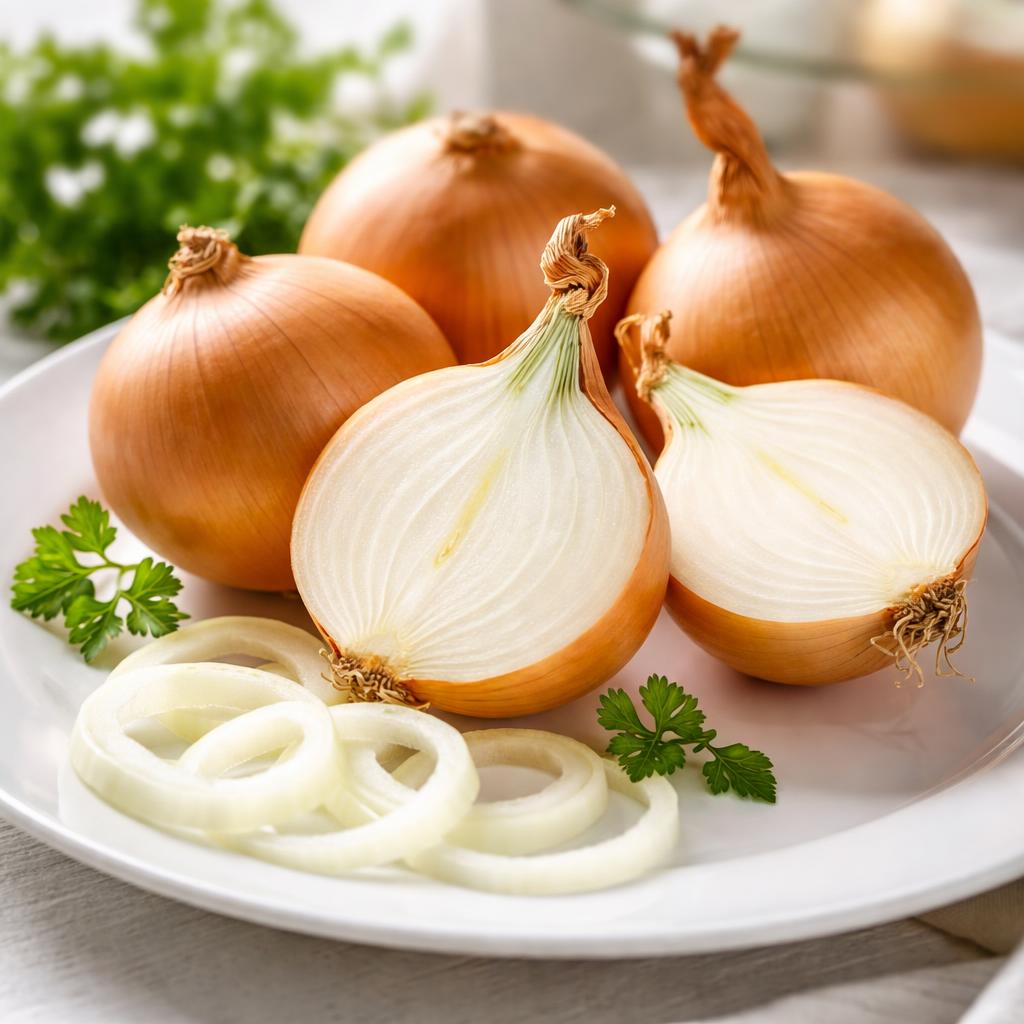
Onion
🎯 Quick Verdict
Eggs and onions are nutritionally distinct. Eggs are a powerhouse of protein, healthy fats, and essential vitamins, while onions shine as a low-calorie vegetable rich in fiber, antioxidants, and compounds promoting heart health. Eggs are ideal for muscle maintenance and weight loss, whereas onions complement diets seeking fiber and micronutrients like vitamin C.

Smart Nutrition Tracking with SnapCalorie

📊 Nutritional Comparison
Macronutrients
| Nutrient | Food 1 | Food 2 | Winner |
|---|---|---|---|
| Calories | 72 | 40 | ✓ |
| Protein | 6.3g | 1.1g | ✓ |
| Carbs | 0.6g | 9.3g | ✓ |
| Fat | 5g | 0.1g | ✓ |
| Fiber | 0g | 1.7g | ✓ |
Vitamins & Minerals
| Nutrient | Food 1 | Food 2 | Winner |
|---|---|---|---|
| Vitamin D | 1mcg | 0mcg | ✓ |
| Vitamin C | 0mg | 7.4mg | ✓ |
| Vitamin A | 80mcg | 0mcg | ✓ |
| Calcium | 25mg | 23mg | − |
| Iron | 0.9mg | 0.2mg | ✓ |
🏆 Category Winners
Protein
Egg has approximately 6x more protein than onion.
Fiber
Onion contains 1.7g of fiber per serving, whereas egg contains none.
Calories
Onion is lower in calories, with only 40 per serving compared to egg's 72.
Vitamins
Egg is a good source of vitamin A and D, while onion excels at vitamin C and other antioxidants.
🥗 Diet Compatibility
Keto
Food 1: Compatible
Food 2: Limited Compatibility
Egg is low-carb (0.6g/serving), whereas onion has 9.3g of carbs, making it less ideal for strict keto.
Vegan
Food 1: Not Compatible
Food 2: Compatible
Onion is plant-based, while eggs are animal-derived.
Gluten Free
Food 1: Compatible
Food 2: Compatible
Neither food contains gluten.
Paleo
Food 1: Compatible
Food 2: Compatible
Both foods are paleo-friendly.
Low-Carb
Food 1: Compatible
Food 2: Limited Compatibility
Egg is very low in carbs, while onion is relatively higher but could fit moderate low-carb diets.
💪 Health Benefits Comparison
Food 1 Benefits
- Rich in protein for muscle growth and repair
- Source of healthy fats and omega-3s (in some eggs)
- Contains choline, which supports brain function
- Provides vitamin D for bone health
Food 2 Benefits
- High in antioxidants like quercetin for reducing inflammation
- Supports heart health due to its sulfur compounds
- Rich in fiber for digestive health
- Provides vitamin C to boost the immune system
✅ The Bottom Line
Eggs and onions serve different nutritional purposes. Eggs are perfect for high-protein diets, weight management, and post-workout meals, while onions are ideal for adding fiber, antioxidants, and flavor to low-calorie meals. Depending on your health goals, mix these foods for balanced nutrition.
Choose Food 1 for: High-protein diets, muscle building, weight loss, post-workout nutrition
Choose Food 2 for: Heart health, antioxidant intake, digestive health, immune support


