Egg VS Low Fat Cottage Cheese
A detailed nutritional comparison

Egg
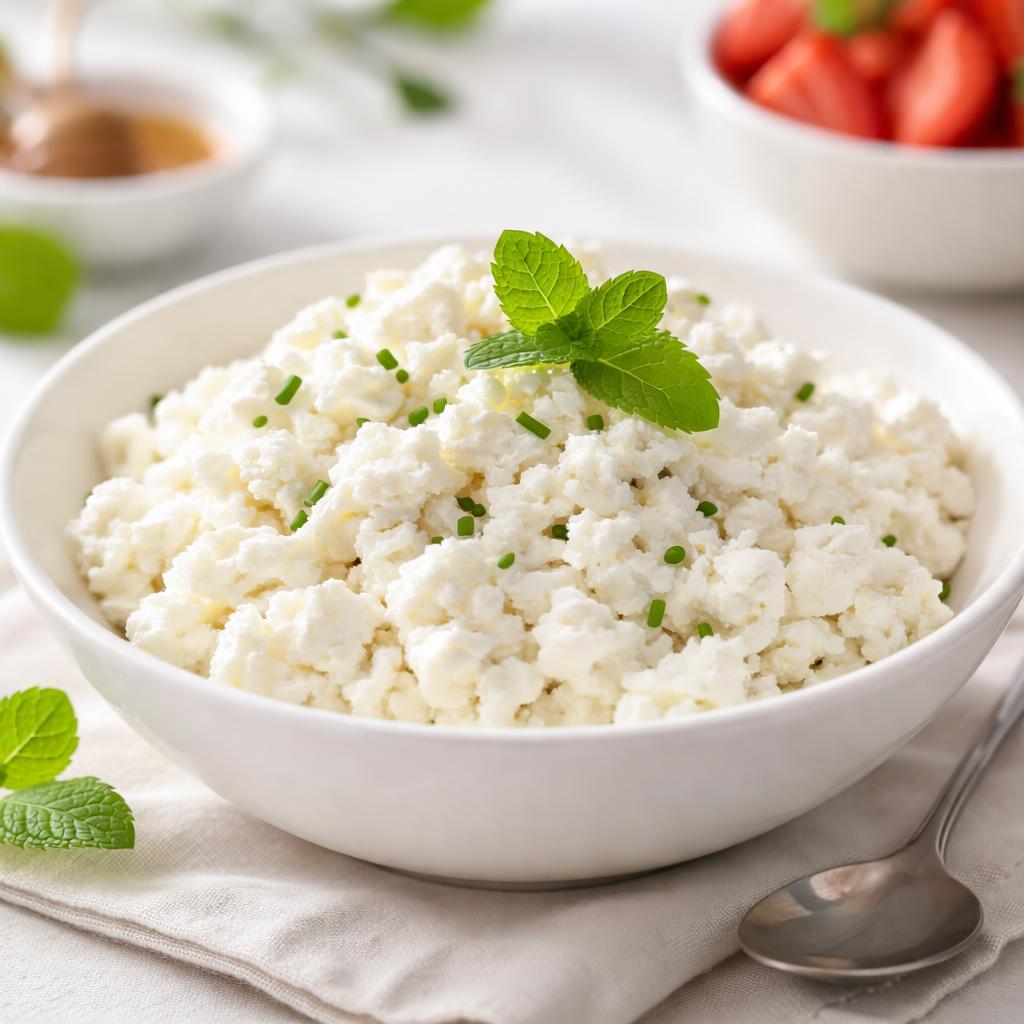
Low Fat Cottage Cheese
🎯 Quick Verdict
Egg and low-fat cottage cheese are nutrient-dense options, each offering distinct benefits. Cottage cheese wins in protein content, while eggs are lower in calories and provide significant amounts of vitamins such as vitamin D. Both are suitable for high-protein diets, with eggs being ideal for portion control and nutrient density, and cottage cheese offering sustained energy due to protein content.

Smart Nutrition Tracking with SnapCalorie

📊 Nutritional Comparison
Macronutrients
| Nutrient | Food 1 | Food 2 | Winner |
|---|---|---|---|
| Calories | 78 | 98 | ✓ |
| Protein | 6g | 13g | ✓ |
| Carbs | 0.6g | 3.4g | ✓ |
| Fat | 5g | 2.4g | ✓ |
| Fiber | 0g | 0g | − |
Vitamins & Minerals
| Nutrient | Food 1 | Food 2 | Winner |
|---|---|---|---|
| Vitamin D | 1mcg | 0mcg | ✓ |
| Calcium | 25mg | 99mg | ✓ |
| Iron | 0.9mg | 0.1mg | ✓ |
🏆 Category Winners
Protein
Low-fat cottage cheese contains more than double the protein (13g vs 6g per serving).
Fiber
Neither food contains fiber.
Calories
Eggs have 78 calories per serving compared to 98 calories in cottage cheese.
🥗 Diet Compatibility
Keto
Food 1: Compatible
Food 2: Compatible
Both are low-carb and have sufficient protein and fat for keto diets.
Vegan
Food 1: Not Compatible
Food 2: Not Compatible
Both are animal-based, therefore not vegan.
Gluten Free
Food 1: Compatible
Food 2: Compatible
Neither contains gluten ingredients.
Paleo
Food 1: Compatible
Food 2: Not Compatible
Eggs are paleo-friendly, while cottage cheese is processed and excluded from paleo diets.
Low Carb
Food 1: Compatible
Food 2: Compatible
Both are low-carb, with eggs providing negligible carbs and cottage cheese having only 3.4g carbs per serving.
💪 Health Benefits Comparison
Food 1 Benefits
- Rich source of high-quality protein for muscle building
- Contains essential vitamins such as vitamin D and B12 for bone and energy health
- Low in calories, making it ideal for weight management
Food 2 Benefits
- Excellent source of protein for muscle repair and growth
- High in calcium to support bone health
- Low in fat while providing energy and satiety
✅ The Bottom Line
Eggs and low-fat cottage cheese are both great options depending on your goals. Choose eggs for a low-calorie, nutrient-dense food for portioned meals and vitamin D. Opt for cottage cheese as a protein powerhouse and calcium-rich snack for sustained energy and satiety.
Choose Food 1 for: Weight management, paleo diets, vitamin D boost
Choose Food 2 for: High-protein diets, muscle repair, bone health


