Egg VS Grilled Halloumi
A detailed nutritional comparison

Egg
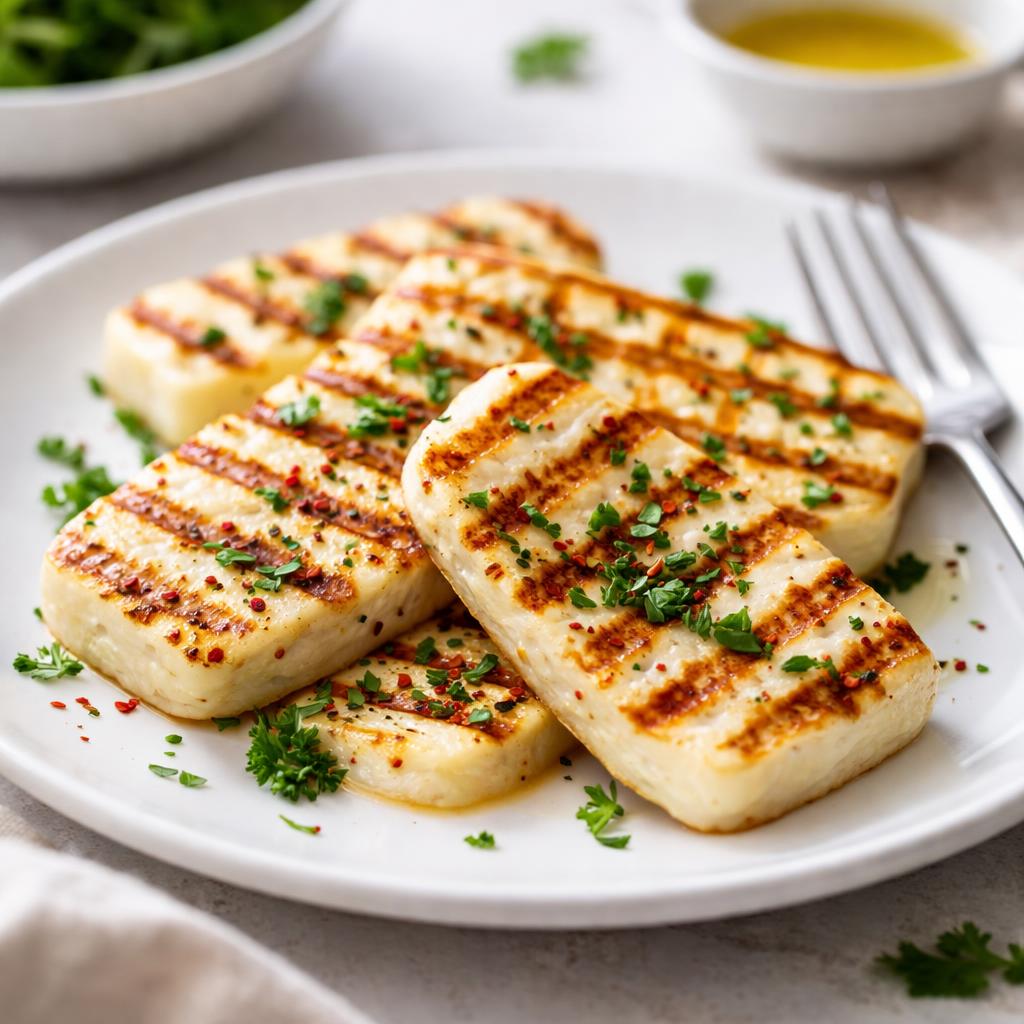
Grilled Halloumi
🎯 Quick Verdict
Eggs outperform halloumi in protein content, offering 6g per serving compared to halloumi’s 4g per 30g portion. Grilled halloumi, however, provides fewer calories (90 per serving vs. 70 for an egg) and healthy fats. Eggs are versatile and suitable for low-calorie and high-nutrient meals, while halloumi is ideal for adding rich flavor and fat content to dishes.

Smart Nutrition Tracking with SnapCalorie

📊 Nutritional Comparison
Macronutrients
| Nutrient | Food 1 | Food 2 | Winner |
|---|---|---|---|
| Calories | 70 (per egg) | 90 (per 30g) | ✓ |
| Protein | 6g | 4g | ✓ |
| Carbs | 0.6g | 1g | ✓ |
| Fat | 5g | 7g | ✓ |
| Fiber | 0g | 0g | − |
Vitamins & Minerals
| Nutrient | Food 1 | Food 2 | Winner |
|---|---|---|---|
| Vitamin D | 1mcg | 0mcg | ✓ |
| Calcium | 25mg | 200mg | ✓ |
| Iron | 0.9mg | 0.2mg | ✓ |
🏆 Category Winners
Protein
Eggs provide 50% more protein per typical serving.
Fiber
Neither eggs nor halloumi contain fiber.
Calories
Grilled halloumi has slightly fewer calories per serving.
🥗 Diet Compatibility
Keto
Food 1: Compatible
Food 2: Compatible
Both are low-carb and high-fat foods suitable for keto diets.
Vegan
Food 1: Not Compatible
Food 2: Not Compatible
Both are animal-based foods.
Gluten Free
Food 1: Compatible
Food 2: Compatible
Neither contains gluten.
Paleo
Food 1: Compatible
Food 2: Partially Compatible
Eggs fit paleo diets, but halloumi is less ideal due to dairy content.
Low-Carb
Food 1: Compatible
Food 2: Compatible
Both are very low-carb foods.
💪 Health Benefits Comparison
Food 1 Benefits
- Rich in high-quality, complete protein for muscle growth
- Provides choline for brain health
- Contains essential vitamins such as B12 and D for energy and bone health
Food 2 Benefits
- Rich in calcium to support bone health
- Contains healthy fats for heart and brain health
- Adds flavor and satiety to meals
✅ The Bottom Line
Choose eggs for a higher-protein, lower-calorie option that is versatile for weight loss and nutrient-dense meals. Grilled halloumi is best for its high calcium content and rich flavor, making it ideal for heartier, energy-sustaining dishes.
Choose Food 1 for: Low-calorie diets, muscle maintenance, nutrient density
Choose Food 2 for: Rich flavors, bone health, heartier meals


