Egg VS Grilled Asparagus
A detailed nutritional comparison

Egg
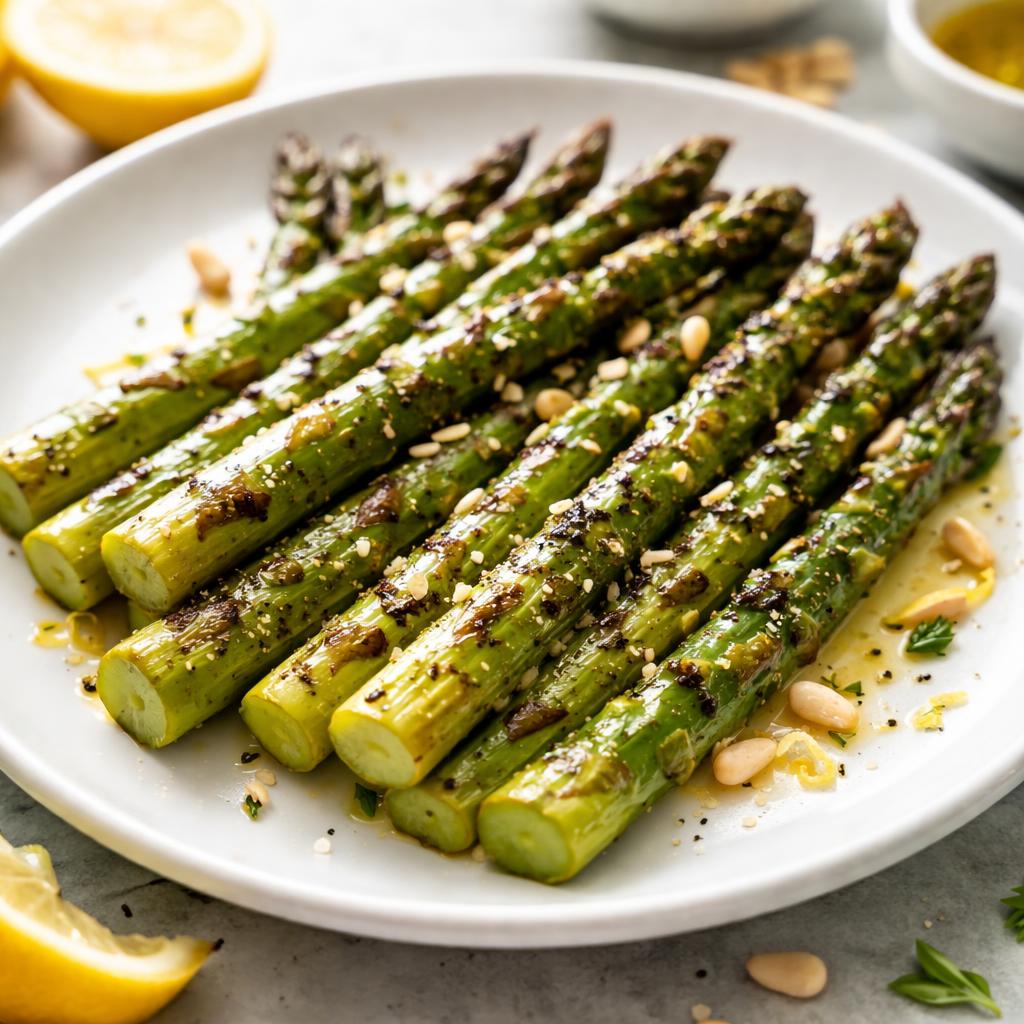
Grilled Asparagus
🎯 Quick Verdict
Eggs are a protein powerhouse, offering significantly more protein and healthy fats compared to grilled asparagus. Grilled asparagus, however, shines with higher fiber content and lower calorie density, making it ideal for weight management. Both foods offer unique health perks and work well together in balanced meals.

Smart Nutrition Tracking with SnapCalorie

📊 Nutritional Comparison
Macronutrients
| Nutrient | Food 1 | Food 2 | Winner |
|---|---|---|---|
| Calories | 70 | 25 | ✓ |
| Protein | 6g | 2.2g | ✓ |
| Carbs | 0.6g | 3.7g | ✓ |
| Fat | 5g | 0.2g | ✓ |
| Fiber | 0g | 2g | ✓ |
Vitamins & Minerals
| Nutrient | Food 1 | Food 2 | Winner |
|---|---|---|---|
| Vitamin A | 260IU | 857IU | ✓ |
| Vitamin C | 0mg | 5.6mg | ✓ |
| Iron | 0.9mg | 1.1mg | ✓ |
| Calcium | 25mg | 40mg | ✓ |
| Vitamin D | 1mcg | 0mcg | ✓ |
🏆 Category Winners
Protein
Eggs provide nearly three times the protein content compared to grilled asparagus.
Fiber
Grilled asparagus contains 2g of fiber, while eggs contain none.
Calories
Grilled asparagus has 64% fewer calories per serving than eggs.
Vitamins
Grilled asparagus excels in vitamins A, C, and calcium, which support immunity and bone health.
🥗 Diet Compatibility
Keto
Food 1: Compatible
Food 2: Compatible
Both are low-carb and keto-friendly.
Vegan
Food 1: Not Compatible
Food 2: Compatible
Eggs are animal-based, but asparagus is plant-based.
Gluten Free
Food 1: Compatible
Food 2: Compatible
Neither food contains gluten.
Paleo
Food 1: Compatible
Food 2: Compatible
Both align with paleo diet principles.
Low-Carb
Food 1: Compatible
Food 2: Compatible
Both foods have low carbohydrate content per serving.
💪 Health Benefits Comparison
Food 1 Benefits
- High-quality protein for muscle growth and repair
- Rich in vitamin D for bone health
- Contains choline for brain function and metabolism
Food 2 Benefits
- High in fiber to support digestive health
- Rich in antioxidants, including vitamin C and beta-carotene
- Low-calorie option for weight management
✅ The Bottom Line
Eggs are best for those seeking a high-protein, satiating food option, especially in weight loss or muscle-building diets. Grilled asparagus is great for adding fiber, vitamins, and minerals while keeping calories low. Both complement each other in balanced meals.
Choose Food 1 for: Muscle-building, post-workout meals, weight-loss high-protein diets
Choose Food 2 for: Digestive health, low-calorie diets, vitamin-rich side dishes


