Egg VS Crackers
A detailed nutritional comparison
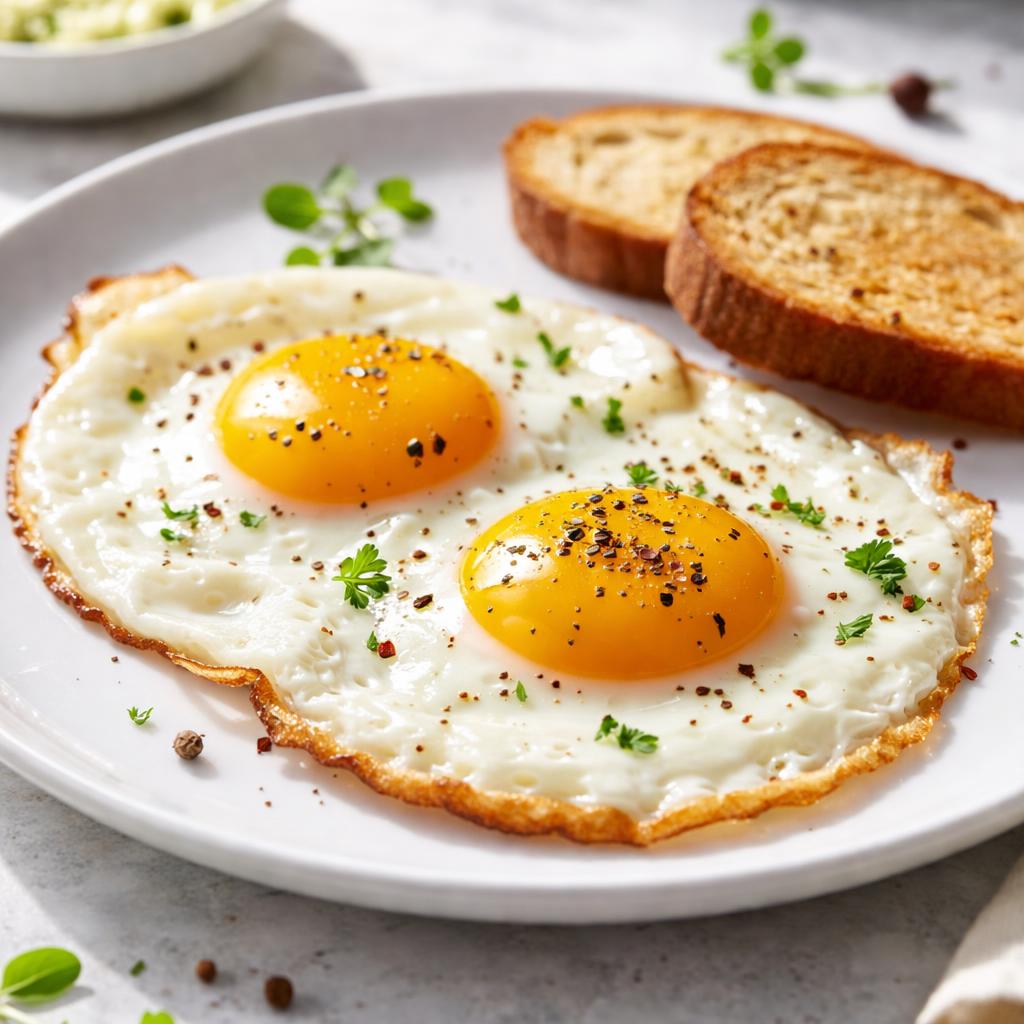
Egg
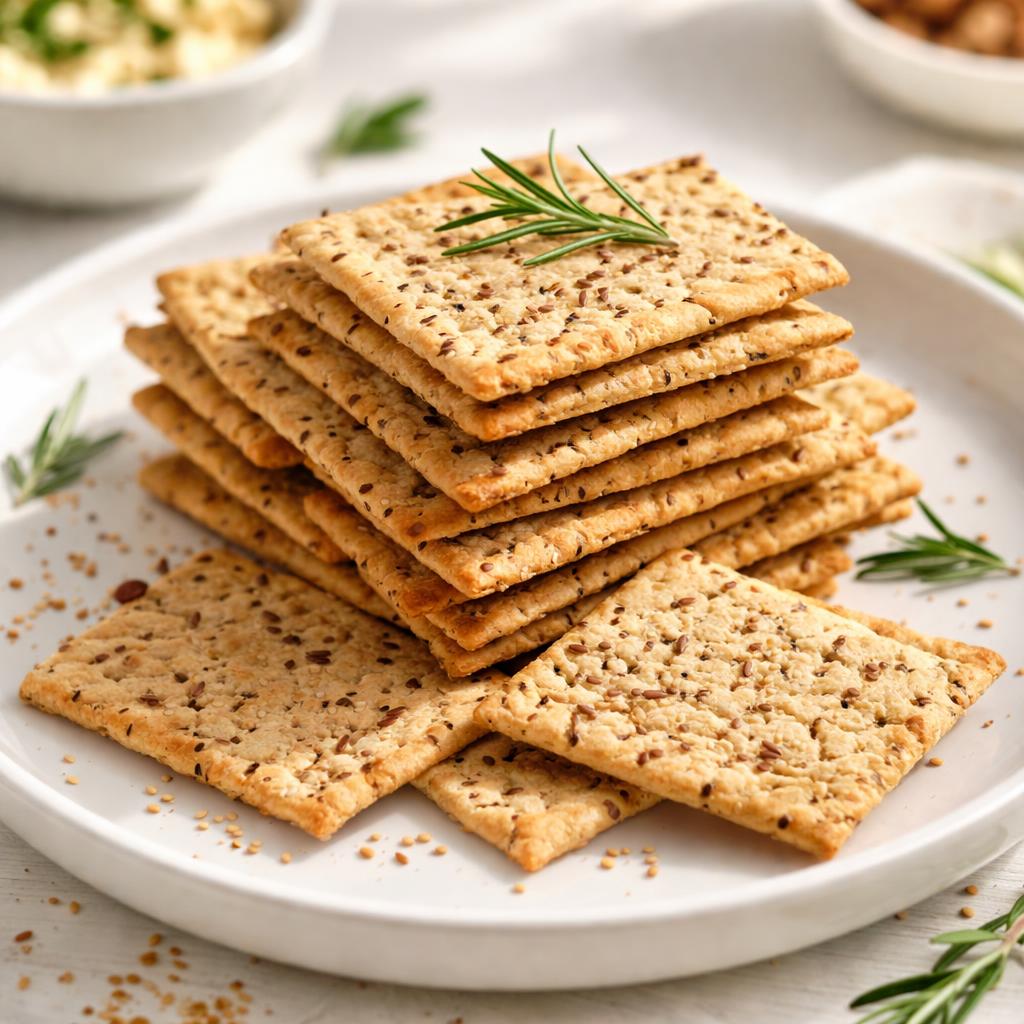
Crackers
🎯 Quick Verdict
Eggs (food1) are an excellent source of high-quality protein, essential vitamins, and healthy fats, while crackers (food2) are primarily carbohydrate-rich with small amounts of fiber and nutrients. Eggs are ideal for high-protein diets and weight management, whereas crackers provide quick energy and a convenient snack option but may lack nutrient density overall.

Smart Nutrition Tracking with SnapCalorie

📊 Nutritional Comparison
Macronutrients
| Nutrient | Food 1 | Food 2 | Winner |
|---|---|---|---|
| Calories | 68 | 200 | ✓ |
| Protein | 6g | 2g | ✓ |
| Carbs | 0.6g | 25g | ✓ |
| Fat | 5g | 6g | ✓ |
| Fiber | 0g | 2g | ✓ |
Vitamins & Minerals
| Nutrient | Food 1 | Food 2 | Winner |
|---|---|---|---|
| Vitamin B12 | 0.5mcg | 0mcg | ✓ |
| Vitamin D | 1mcg | 0mcg | ✓ |
| Iron | 0.9mg | 0.8mg | ✓ |
| Calcium | 25mg | 20mg | ✓ |
🏆 Category Winners
Protein
Eggs are significantly higher in protein compared to crackers.
Fiber
Crackers provide 2g of fiber per serving while eggs have none.
Calories
Eggs have 68 calories per serving versus the 200 calories in crackers.
Vitamins
Eggs are rich in essential vitamins like B12 and D, which crackers lack.
🥗 Diet Compatibility
Keto
Food 1: Compatible
Food 2: Not Compatible
Eggs are low-carb and high-fat, ideal for keto diets.
Vegan
Food 1: Not Compatible
Food 2: Compatible
Eggs are animal-derived, whereas crackers are plant-based.
Gluten Free
Food 1: Compatible
Food 2: Not Compatible
Eggs contain no gluten while crackers typically contain wheat.
Paleo
Food 1: Compatible
Food 2: Not Compatible
Eggs align with paleo guidelines, but processed crackers do not.
Low Carb
Food 1: Compatible
Food 2: Not Compatible
Eggs have under 1g of carbs while crackers are carb-heavy.
💪 Health Benefits Comparison
Food 1 Benefits
- Rich in high-quality protein, supporting muscle maintenance
- Contains essential vitamins like B12 and D for energy and bone health
- Source of healthy fats for brain function and satiety
- Provides choline for cognitive performance and metabolic support
Food 2 Benefits
- Good source of quick-digesting carbohydrates for energy
- Provides dietary fiber for improved digestion
- Convenient and portable as a snack option
- May include fortified nutrients depending on brand
✅ The Bottom Line
Eggs (food1) are the clear winner for overall nutrition due to their high protein, low calorie, and rich vitamin content, making them excellent for weight management, muscle building, and keto diets. Crackers (food2) are better suited for quick energy and convenience but lack the nutrient density of eggs, and are high in carbs.
Choose Food 1 for: High-protein diets, keto, paleo, weight loss, nutrient-rich meals
Choose Food 2 for: Quick snacks, short-term energy needs, vegan diets


