Egg VS Bagel
A detailed nutritional comparison

Egg
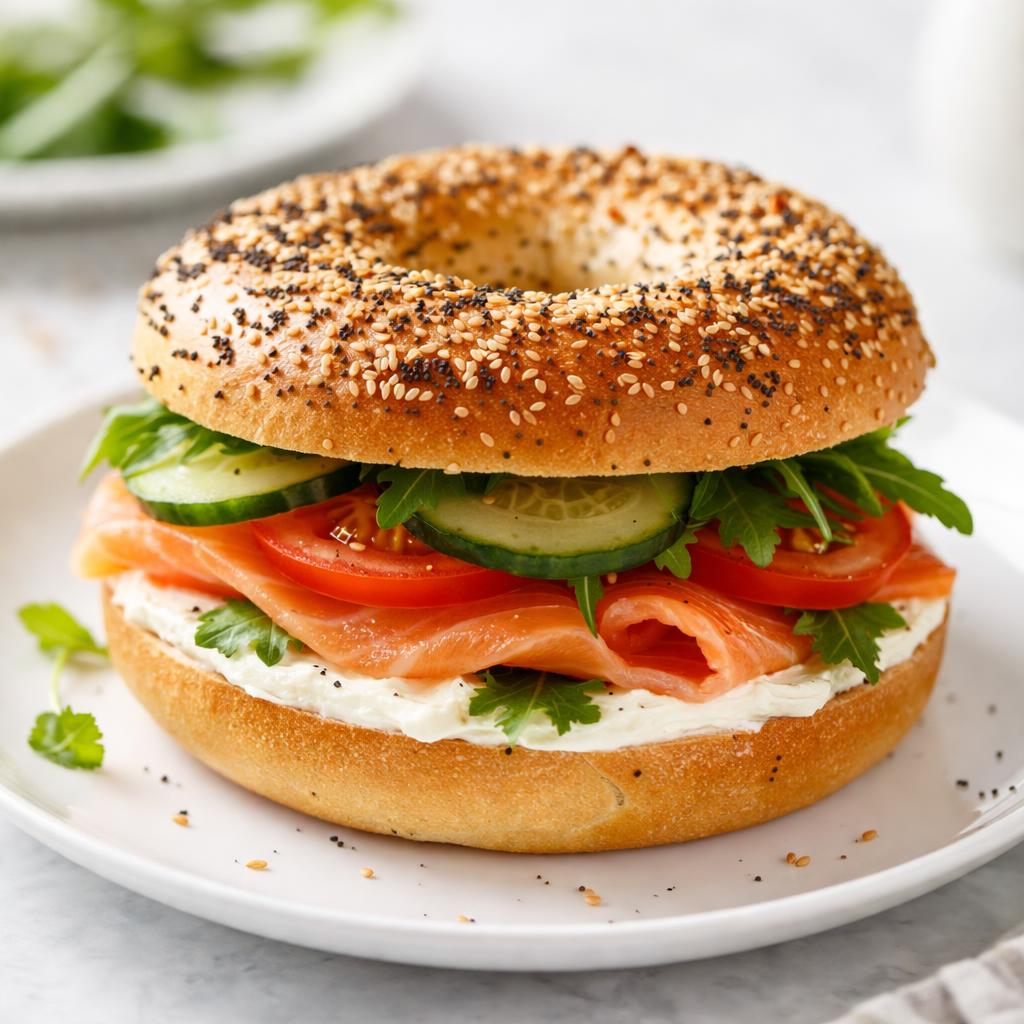
Bagel
🎯 Quick Verdict
Eggs are a nutrient-dense and protein-rich food, excellent for muscle building and low-carb diets. Bagels, on the other hand, are higher in carbohydrates and fiber, making them a good choice for sustained energy during active days. Eggs have fewer calories and more vitamins, while bagels are vegan and provide a quick energy source.

Smart Nutrition Tracking with SnapCalorie

📊 Nutritional Comparison
Macronutrients
| Nutrient | Food 1 | Food 2 | Winner |
|---|---|---|---|
| Calories | 70 | 245 | ✓ |
| Protein | 6g | 9g | ✓ |
| Carbs | 1g | 49g | ✓ |
| Fat | 5g | 2g | ✓ |
| Fiber | 0g | 2g | ✓ |
Vitamins & Minerals
| Nutrient | Food 1 | Food 2 | Winner |
|---|---|---|---|
| Vitamin D | 1mcg | 0mcg | ✓ |
| Calcium | 25mg | 50mg | ✓ |
| Iron | 0.9mg | 1.5mg | ✓ |
| Vitamin B12 | 0.5mcg | 0mcg | ✓ |
| Potassium | 69mg | 68mg | − |
🏆 Category Winners
Protein
Eggs provide highly bioavailable protein, ideal for muscle repair and growth.
Fiber
Bagels contain dietary fiber, making them better for digestion.
Calories
Eggs are significantly lower in calories compared to bagels.
Vitamins
Eggs are richer in essential vitamins like Vitamin D and B12.
🥗 Diet Compatibility
Keto
Food 1: Compatible
Food 2: Not Compatible
Eggs are low in carbs, while bagels are high-carb.
Vegan
Food 1: Not Compatible
Food 2: Compatible
Bagels are plant-based, but eggs are an animal product.
Gluten Free
Food 1: Compatible
Food 2: Not Compatible
Bagels are made with gluten-containing flour.
Paleo
Food 1: Compatible
Food 2: Not Compatible
Eggs fit paleo guidelines; bagels do not due to processed grains.
Low Carb
Food 1: Compatible
Food 2: Not Compatible
Eggs contain just 1g of carbs, while bagels have 49g.
💪 Health Benefits Comparison
Food 1 Benefits
- Rich in high-quality protein for muscle building
- Provides Vitamin D for bone health and immune support
- Contains choline for brain function and metabolism
Food 2 Benefits
- Good source of carbohydrates for energy
- Contains dietary fiber for digestive health
- Provides iron for oxygen transport in the blood
✅ The Bottom Line
Choose eggs if you're looking for a lower-calorie, high-protein option that supports muscle building and fits into low-carb diets. Opt for bagels if you need sustained energy, higher fiber, and a simple, vegan-friendly option for active days.
Choose Food 1 for: Weight loss, high-protein diets, low-carb lifestyles, muscle repair
Choose Food 2 for: Quick energy, carb loading, vegan diets, shared meals like sandwiches


