Egg VS Artichoke
A detailed nutritional comparison

Egg
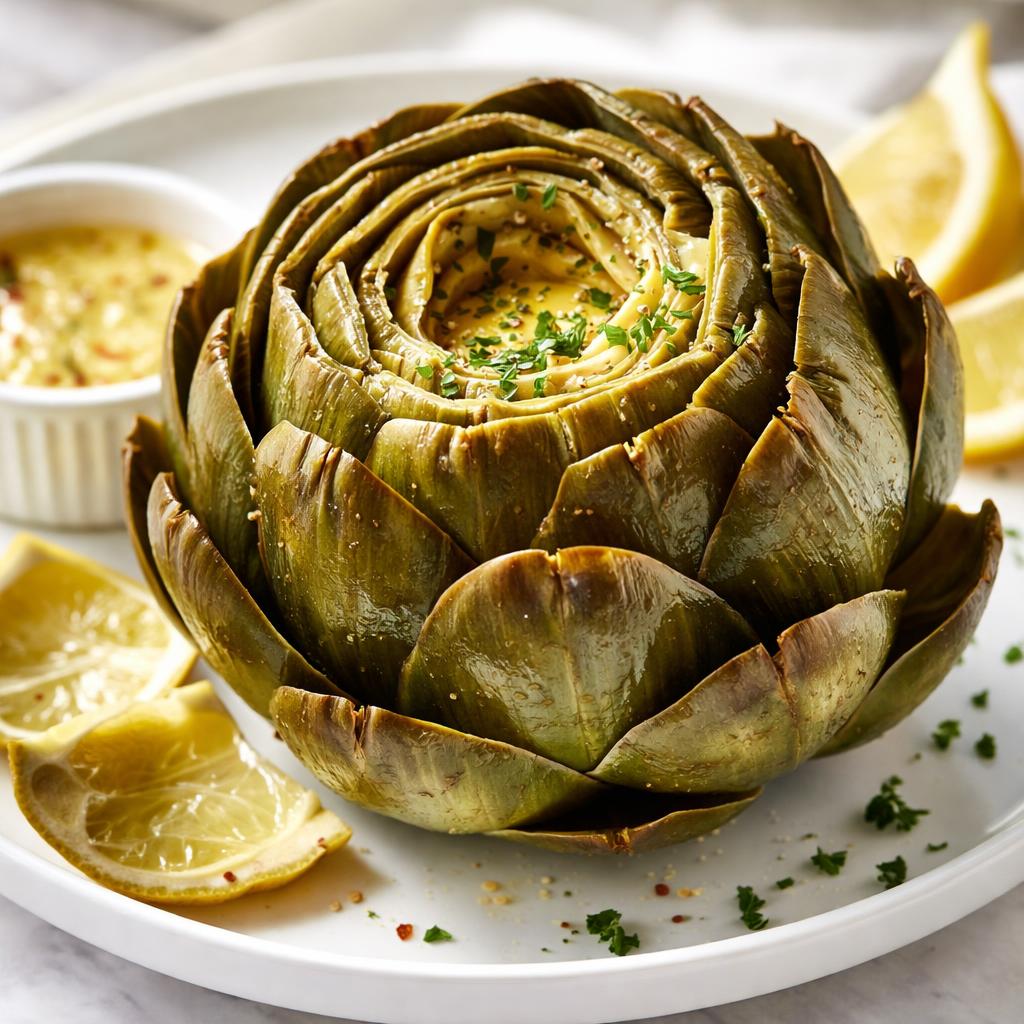
Artichoke
🎯 Quick Verdict
Eggs are higher in protein, lower in calories, and rich in essential vitamins such as vitamin D and B12, making them ideal for muscle-building and weight management. Artichokes shine in fiber content and offer a wide range of antioxidants and minerals, making them excellent for digestion and overall health. Both foods serve unique dietary purposes and can easily complement each other in meals.

Smart Nutrition Tracking with SnapCalorie

📊 Nutritional Comparison
Macronutrients
| Nutrient | Food 1 | Food 2 | Winner |
|---|---|---|---|
| Calories | 68 per large egg | 60 per 100g cooked artichoke | ✓ |
| Protein | 6g | 3.5g | ✓ |
| Carbs | 0.6g | 13g | ✓ |
| Fat | 5g | 0.2g | ✓ |
| Fiber | 0g | 5g | ✓ |
Vitamins & Minerals
| Nutrient | Food 1 | Food 2 | Winner |
|---|---|---|---|
| Vitamin D | 1.1mcg (6% DV) | 0mcg | ✓ |
| Vitamin C | 0mcg | 15mg (17% DV) | ✓ |
| Calcium | 25mg (2% DV) | 44mg (4% DV) | ✓ |
| Iron | 0.9mg (5% DV) | 1mg (6% DV) | ✓ |
| Vitamin B12 | 0.6mcg (25% DV) | 0mcg | ✓ |
🏆 Category Winners
Protein
Eggs are significantly higher in protein, with nearly double the amount per serving as artichokes.
Fiber
Artichokes offer 5g of fiber per 100g serving compared to 0g fiber in eggs.
Calories
Eggs are slightly lower in calories compared to artichokes based on respective serving sizes.
Vitamins
Eggs are rich in vitamin D and B12, while artichokes excel in vitamin C and iron.
🥗 Diet Compatibility
Keto
Food 1: Compatible
Food 2: Not Compatible
Eggs are low in carbs (<1g), while artichokes have higher carbohydrate content (13g per serving).
Vegan
Food 1: Not Compatible
Food 2: Compatible
Artichokes are plant-based, while eggs are an animal product.
Gluten Free
Food 1: Compatible
Food 2: Compatible
Neither food contains gluten.
Paleo
Food 1: Compatible
Food 2: Compatible
Eggs and artichokes fit well within paleo guidelines.
Low Carb
Food 1: Highly Compatible
Food 2: Moderately Compatible
Eggs are exceptionally low in carbohydrates (0.6g), while artichokes contain moderate amounts (13g).
💪 Health Benefits Comparison
Food 1 Benefits
- Excellent source of high-quality protein for muscle-building
- Rich in vitamin B12 for maintaining energy and red blood cell production
- Contains vitamin D to support bone health
Food 2 Benefits
- High in fiber for improved digestion and gut health
- Rich in antioxidants for reducing oxidative stress
- Provides vitamin C to boost the immune system
✅ The Bottom Line
Choose eggs if you need a high-protein, low-carb option that's ideal for weight management, muscle maintenance, and keto diets. Select artichokes if you're prioritizing fiber intake, digestion, or plant-based nutrition. Both foods can complement each other in a balanced diet depending on your individual health goals.
Choose Food 1 for: Weight loss, muscle-building diets, keto or low-carb plans
Choose Food 2 for: Digestive health, vegan diets, antioxidant-rich meals


