Cucumber VS Watermelon Juice
A detailed nutritional comparison
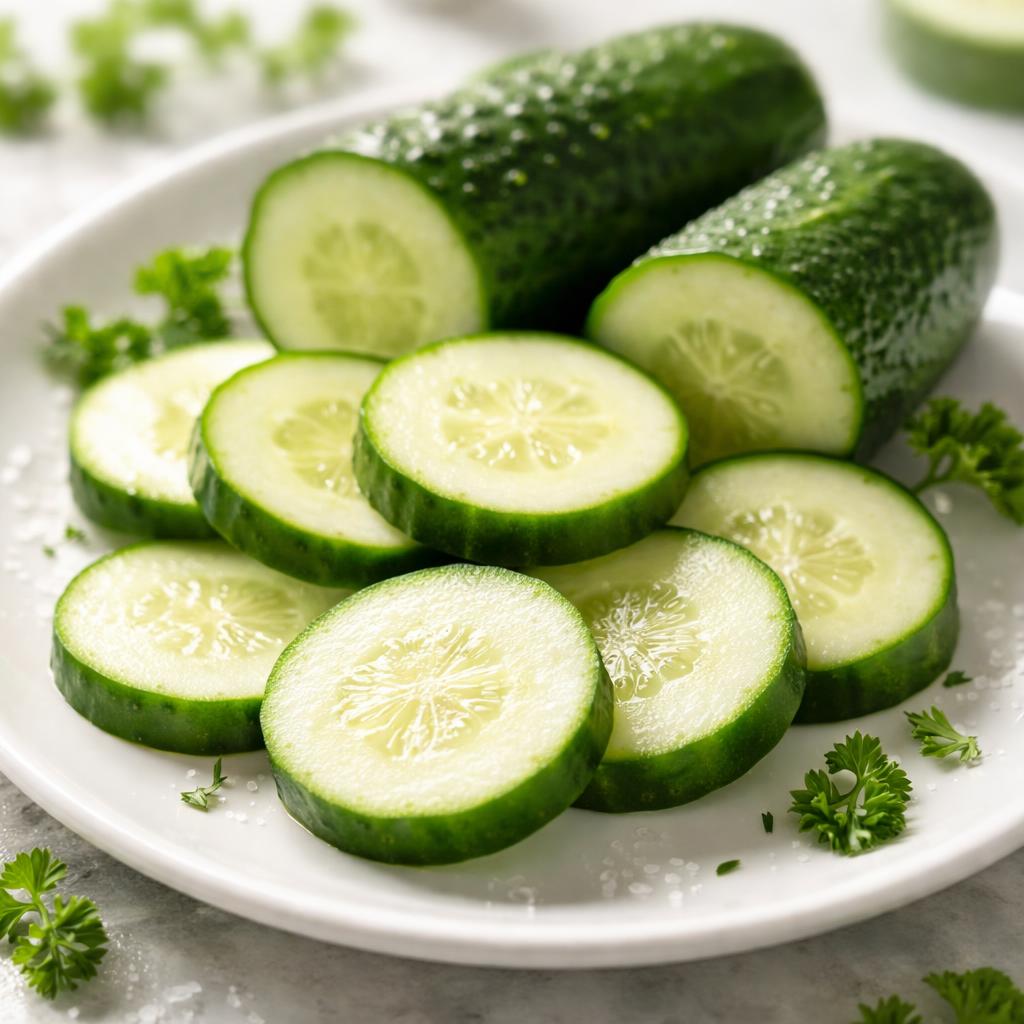
Cucumber
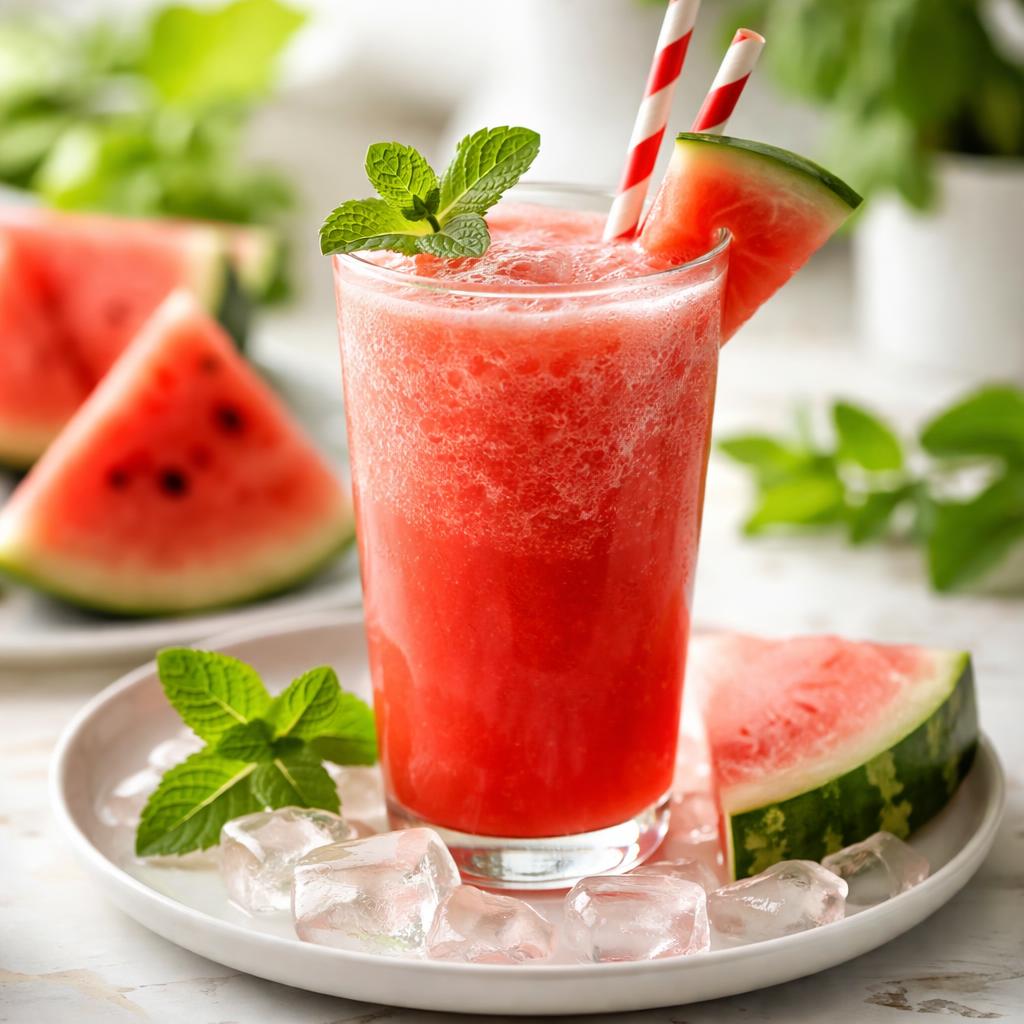
Watermelon Juice
🎯 Quick Verdict
Cucumber and watermelon juice are both hydrating and low-calorie options, but cucumber offers slightly more fiber and protein, making it the better choice for satiety. Watermelon juice provides more carbohydrates and natural sugars, making it ideal for quick energy replenishment. Both are refreshing and nutrient-dense for hydration and summer diets.

Smart Nutrition Tracking with SnapCalorie

📊 Nutritional Comparison
Macronutrients
| Nutrient | Food 1 | Food 2 | Winner |
|---|---|---|---|
| Calories | 15 | 46 | ✓ |
| Protein | 0.7g | 0.9g | ✓ |
| Carbs | 3.6g | 11.6g | ✓ |
| Fat | 0.1g | 0.1g | − |
| Fiber | 0.5g | 0g | ✓ |
Vitamins & Minerals
| Nutrient | Food 1 | Food 2 | Winner |
|---|---|---|---|
| Vitamin C | 2.8mg | 8.1mg | ✓ |
| Vitamin K | 16.4mcg | 0mcg | ✓ |
| Potassium | 147mg | 170mg | ✓ |
🏆 Category Winners
Protein
Watermelon juice has 0.9g of protein vs 0.7g in cucumber.
Fiber
Cucumber contains 0.5g of fiber, while watermelon juice has none.
Calories
Cucumber has just 15 calories per serving, compared to 46 in watermelon juice.
Vitamins
Watermelon juice is higher in Vitamin C and potassium overall.
🥗 Diet Compatibility
Keto
Food 1: Compatible
Food 2: Not Compatible
Cucumber is low-carb, while watermelon juice contains 11.6g of carbs per serving.
Vegan
Food 1: Compatible
Food 2: Compatible
Both options are plant-based and naturally vegan.
Gluten Free
Food 1: Compatible
Food 2: Compatible
Neither contains gluten.
Paleo
Food 1: Compatible
Food 2: Compatible
Both fit within a paleo diet due to their whole-food nature.
Low-Carb
Food 1: Compatible
Food 2: Not Compatible
Cucumber is significantly lower in carbs (3.6g) compared to watermelon juice (11.6g).
💪 Health Benefits Comparison
Food 1 Benefits
- Extremely low-calorie, ideal for weight loss diets
- Contains fiber to aid digestion and promote satiety
- Rich in Vitamin K for bone health and blood clotting
Food 2 Benefits
- Hydrating and replenishes electrolytes like potassium
- High in Vitamin C for immune system support
- Provides natural sugars for quick energy
✅ The Bottom Line
Choose cucumber if you're looking for a very low-calorie, low-carb, and fiber-rich snack to fill you up between meals, ideal for weight loss and digestion. Opt for watermelon juice when quick hydration and easily digestible energy are prioritized, especially post-workout or on hot summer days.
Choose Food 1 for: Weight loss, low-carb diets, digestive support
Choose Food 2 for: Post-workout hydration, energy boost, summer refreshment


