Cucumber VS Radish
A detailed nutritional comparison
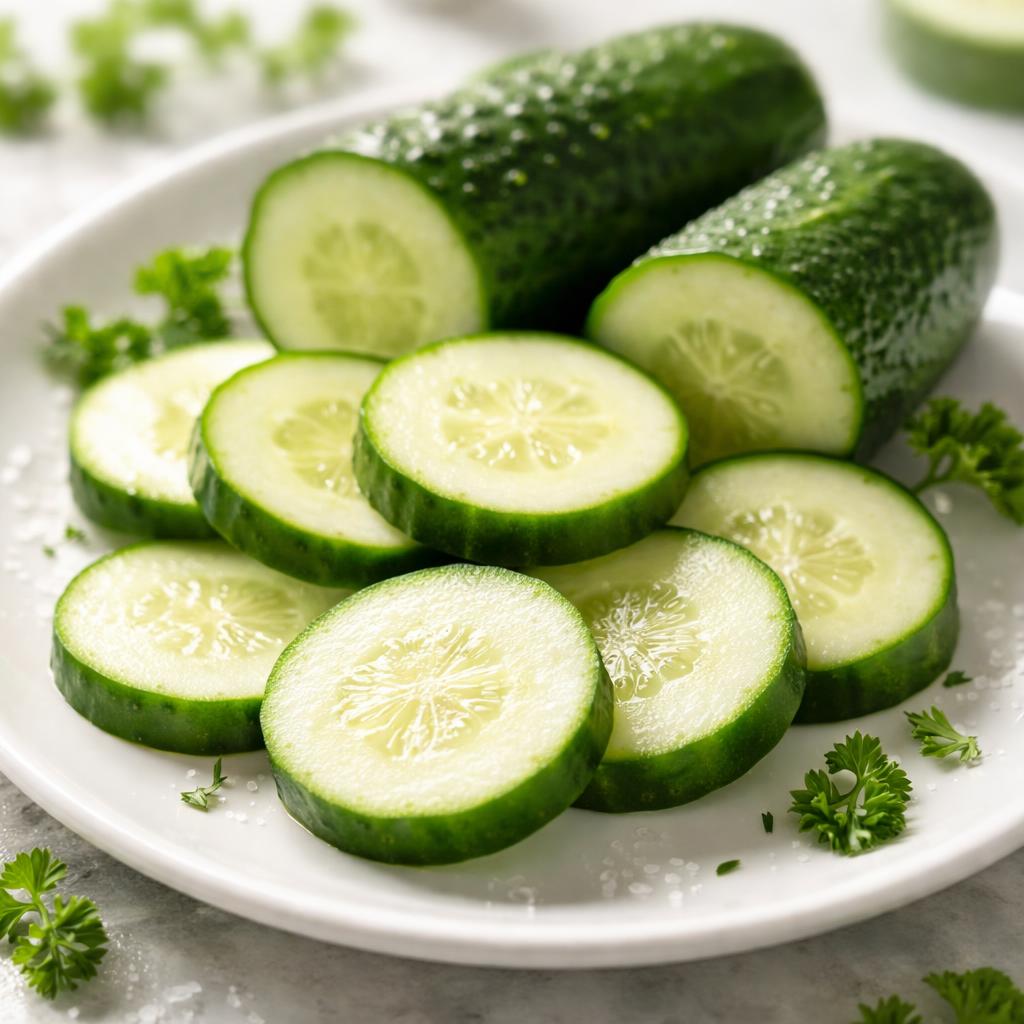
Cucumber
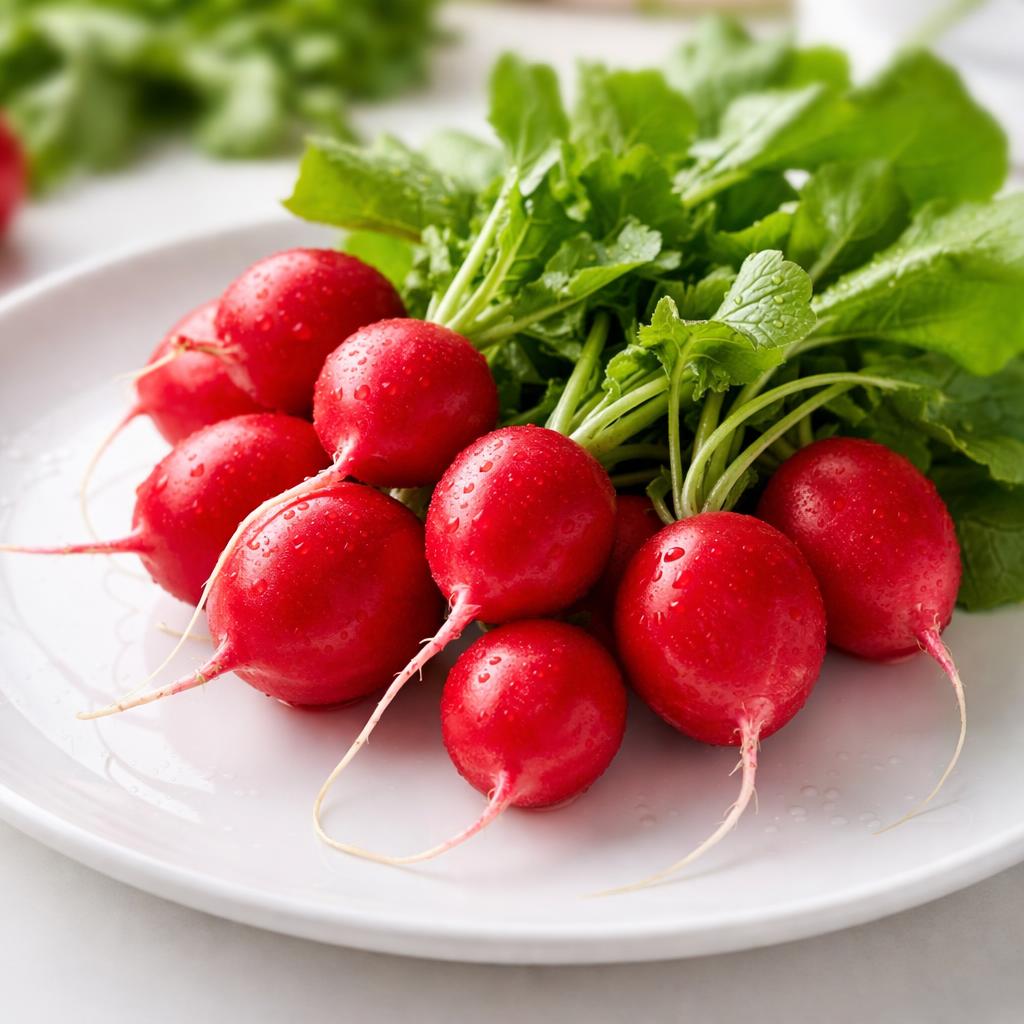
Radish
🎯 Quick Verdict
Cucumber and radish are both excellent low-calorie vegetables, but they differ in nutritional composition. Radishes have higher fiber content (1.9g vs 0.5g per 100g) and slightly more micronutrient density, while cucumbers provide more hydration due to their high water content. Cucumbers are ideal for refreshing snacks, while radishes work well for gut health and nutrient-packed salads.

Smart Nutrition Tracking with SnapCalorie

📊 Nutritional Comparison
Macronutrients
| Nutrient | Food 1 | Food 2 | Winner |
|---|---|---|---|
| Calories | 15 | 16 | − |
| Protein | 0.7g | 0.7g | − |
| Carbs | 3.6g | 3.4g | ✓ |
| Fat | 0.1g | 0.1g | − |
| Fiber | 0.5g | 1.9g | ✓ |
Vitamins & Minerals
| Nutrient | Food 1 | Food 2 | Winner |
|---|---|---|---|
| Vitamin C | 2.8mg | 14mg | ✓ |
| Potassium | 147mg | 233mg | ✓ |
| Folate | 7mcg | 25mcg | ✓ |
🏆 Category Winners
Protein
Both foods have the same protein content per 100g (0.7g).
Fiber
Radish has 280% more fiber than cucumber.
Calories
Both are extremely low-calorie choices with only a 1-calorie difference.
Vitamins
Radish has significantly more Vitamin C, potassium, and folate than cucumber.
🥗 Diet Compatibility
Keto
Food 1: Compatible
Food 2: Compatible
Both are low in carbs and suitable for keto diets.
Vegan
Food 1: Compatible
Food 2: Compatible
Both are plant-based vegetables.
Gluten Free
Food 1: Compatible
Food 2: Compatible
Neither contains gluten.
Paleo
Food 1: Compatible
Food 2: Compatible
Both align with paleo dietary principles.
Low-Carb
Food 1: Compatible
Food 2: Compatible
Both have minimal carbohydrate content.
💪 Health Benefits Comparison
Food 1 Benefits
- High water content for hydration support
- Rich in antioxidants promoting skin health
- Low calorie and refreshing, excellent for weight management
Food 2 Benefits
- High fiber for improved gut health
- Rich in Vitamin C for immune system support
- Contains potassium for healthy blood pressure
✅ The Bottom Line
Choose cucumber for hydration, skin health, and a refreshing low-calorie snack. Opt for radish if you prioritize gut health, vitamin density, and a nutrient-rich addition to salads or meals.
Choose Food 1 for: Hydration, calorie-conscious diets, skin health
Choose Food 2 for: Gut health, immune boosts, nutrient density


