Cucumber VS Pickle
A detailed nutritional comparison
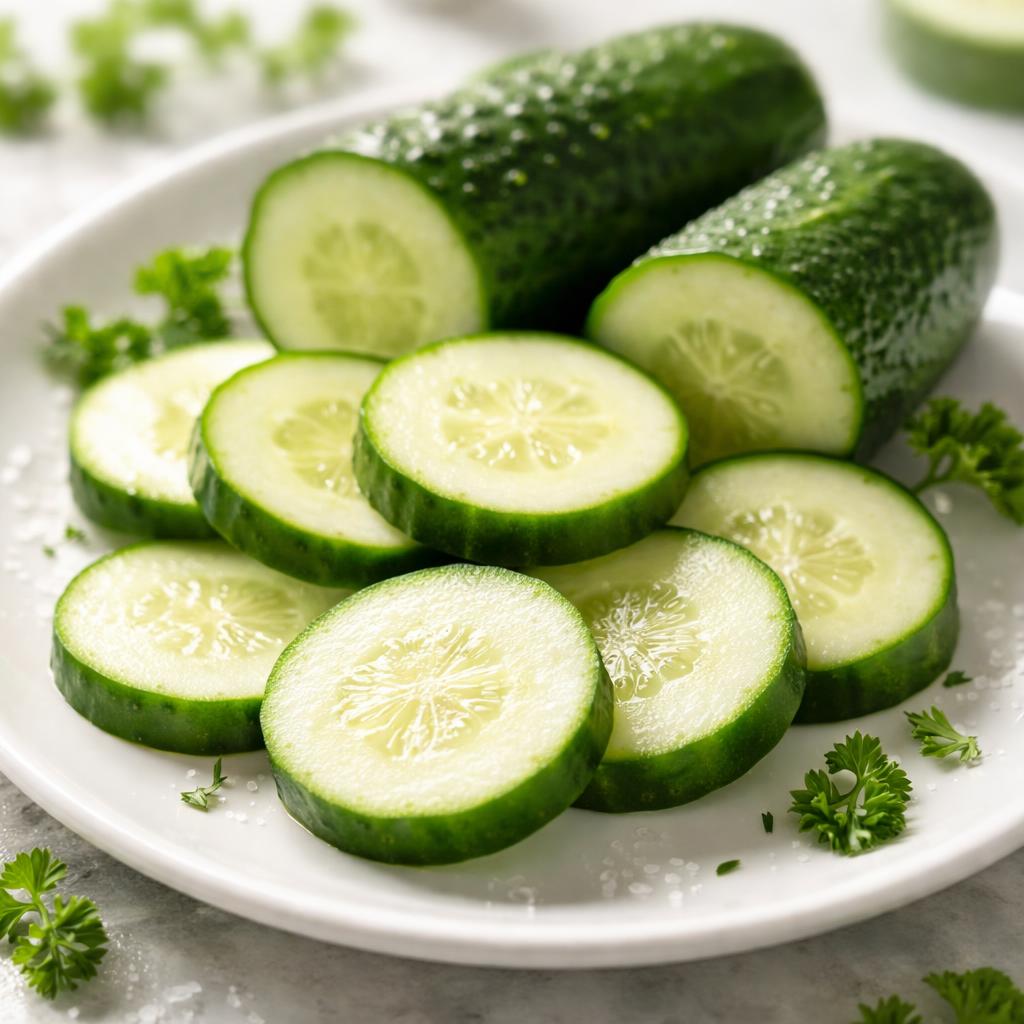
Cucumber
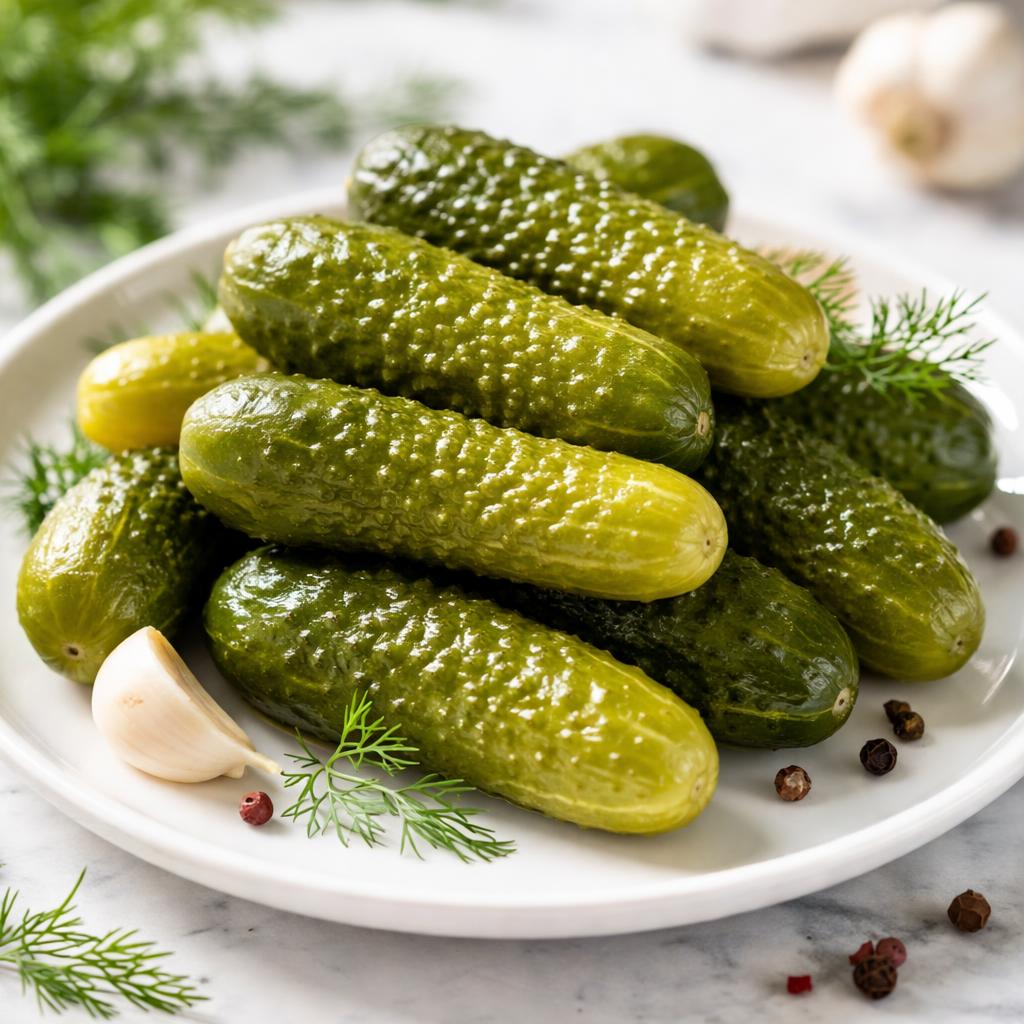
Pickle
🎯 Quick Verdict
Cucumber (food1) is low-calorie and hydrating, making it ideal for weight loss and snacking. Pickles (food2), while higher in calories due to added ingredients, are rich in gut-friendly probiotics and fiber, and suitable for optimal digestion and flavor enhancement. Both foods are low in protein, but each has distinct benefits depending on dietary goals.

Smart Nutrition Tracking with SnapCalorie

📊 Nutritional Comparison
Macronutrients
| Nutrient | Food 1 | Food 2 | Winner |
|---|---|---|---|
| Calories | 16 | 30 | ✓ |
| Protein | 0.6g | 0.5g | − |
| Carbs | 3.6g | 7.0g | ✓ |
| Fat | 0.1g | 0.5g | ✓ |
| Fiber | 0.5g | 1.0g | ✓ |
Vitamins & Minerals
| Nutrient | Food 1 | Food 2 | Winner |
|---|---|---|---|
| Vitamin C | 4mg | 0mg | ✓ |
| Potassium | 150mg | 120mg | ✓ |
| Sodium | 2mg | 290mg | ✓ |
🏆 Category Winners
Protein
Both offer minimal protein at less than 1g per serving.
Fiber
Pickles provide twice as much fiber per serving compared to cucumbers.
Calories
Cucumber has nearly half the calories of pickles, making it better for weight loss.
Vitamins
Cucumber excels with higher Vitamin C and potassium content and lower sodium levels.
🥗 Diet Compatibility
Keto
Food 1: Compatible
Food 2: Compatible
Both foods are low-carb and suitable for ketogenic diets.
Vegan
Food 1: Compatible
Food 2: Compatible
Both are plant-based and vegan-friendly.
Gluten Free
Food 1: Compatible
Food 2: Compatible
Neither contains gluten unless pickles have added gluten-containing flavorings.
Paleo
Food 1: Compatible
Food 2: Check Ingredients
Cucumber is fine for paleo diets, but some pickles may contain non-paleo additives like sugar.
Low Carb
Food 1: Compatible
Food 2: Compatible
Both foods have minimal carbs, with pickles slightly higher but still low-carb overall.
💪 Health Benefits Comparison
Food 1 Benefits
- Extremely hydrating due to high water content
- Low-calorie and ideal for weight management
- Contains Vitamin C for immune system support
- Rich in potassium for electrolyte balance
Food 2 Benefits
- Contains probiotics for gut health
- Provides more fiber for digestive health
- Flavored with vinegar, offering antibacterial properties
- Can help curb appetite due to tangy taste
✅ The Bottom Line
Cucumber is better for hydration, weight loss, and nutrient density, while pickles shine as a gut-friendly, fiber-rich option. Opt for cucumbers if seeking low sodium and calorie content, and pickles if flavor and digestion support are priorities.
Choose Food 1 for: Hydration, weight loss, snacking
Choose Food 2 for: Gut health, flavor enhancement, digestive support


