Cucumber VS Grilled Halloumi
A detailed nutritional comparison
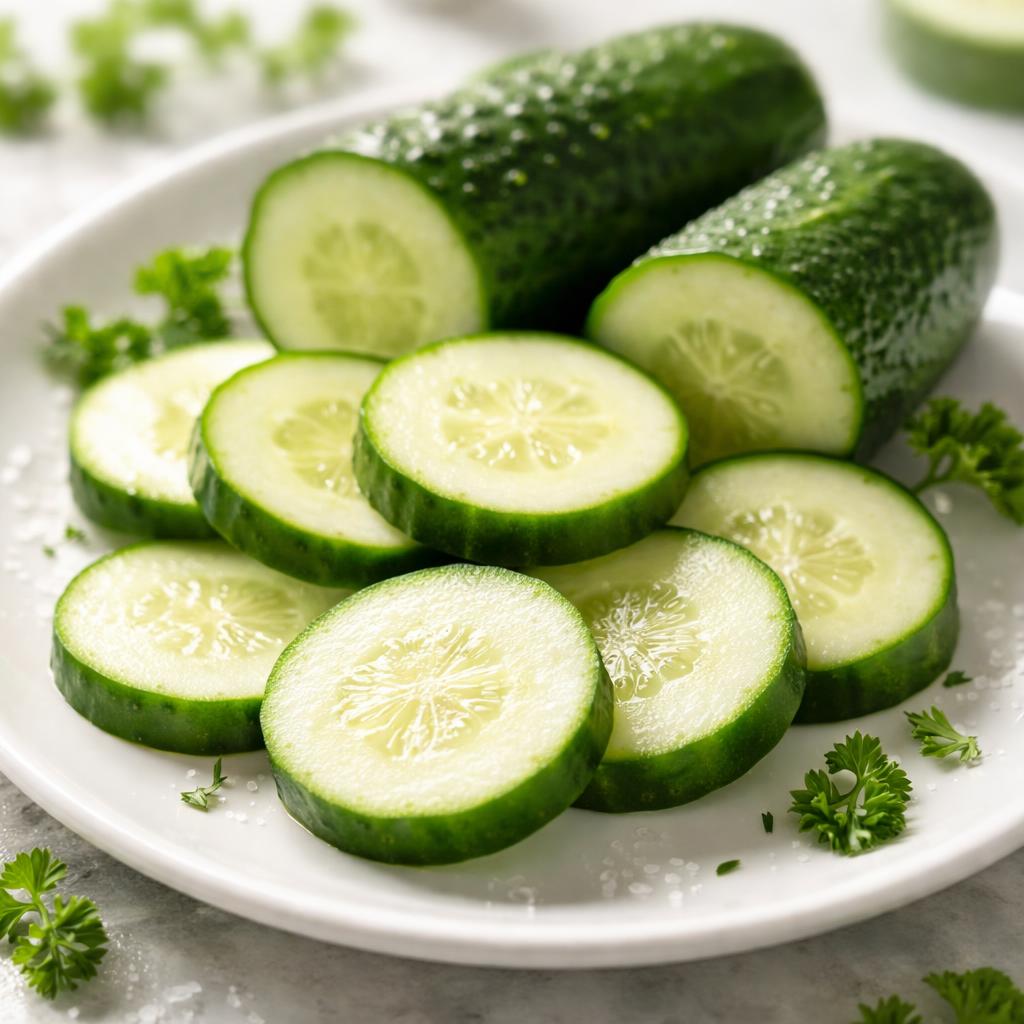
Cucumber
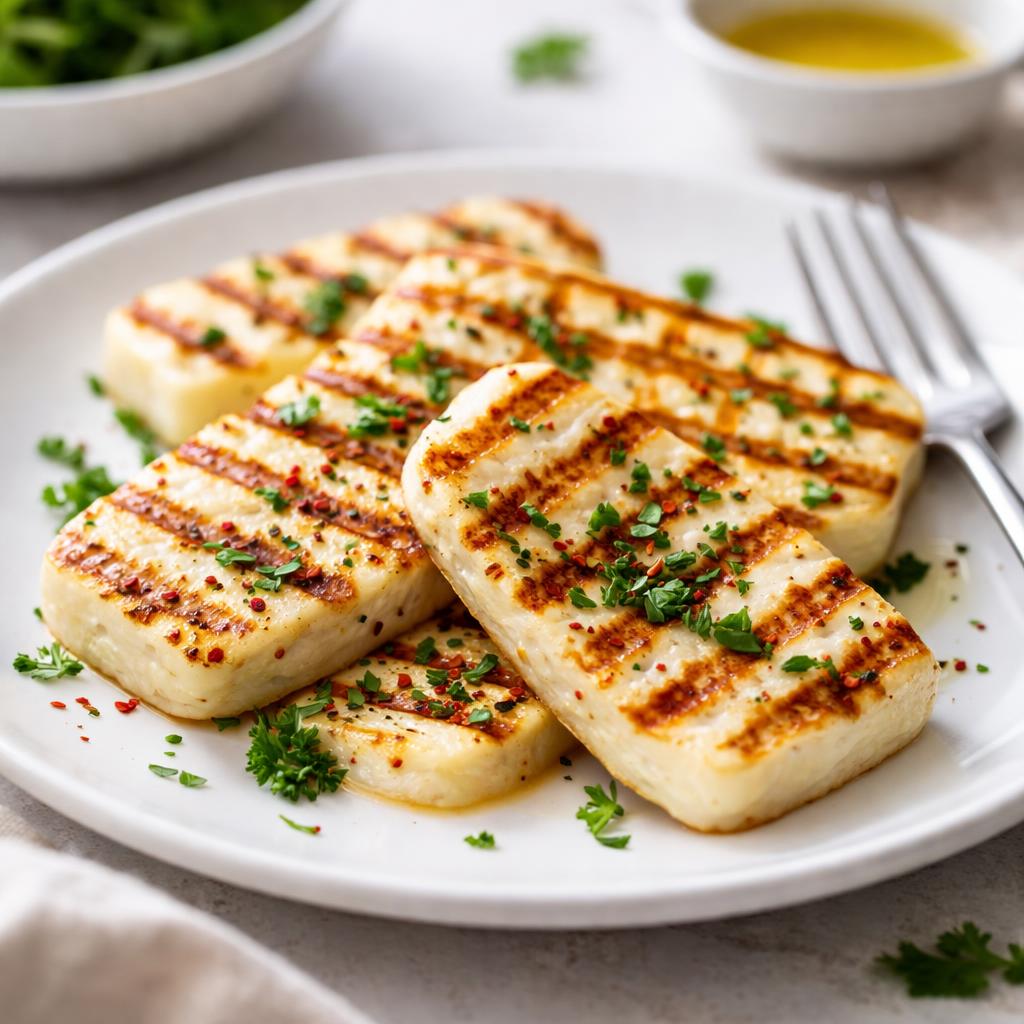
Grilled Halloumi
🎯 Quick Verdict
Cucumber is low in calories and fiber-rich, making it ideal for weight loss and hydration. Grilled halloumi, on the other hand, is high in protein and fat, making it a great option for those looking to build muscle or include healthy fats in their diet. Both complement different dietary goals effectively.

Smart Nutrition Tracking with SnapCalorie

📊 Nutritional Comparison
Macronutrients
| Nutrient | Food 1 | Food 2 | Winner |
|---|---|---|---|
| Calories | 15 | 320 | ✓ |
| Protein | 1g | 22g | ✓ |
| Carbs | 3g | 4g | ✓ |
| Fat | 0g | 26g | ✓ |
| Fiber | 1g | 0g | ✓ |
Vitamins & Minerals
| Nutrient | Food 1 | Food 2 | Winner |
|---|---|---|---|
| Vitamin C | 4mg | 0mg | ✓ |
| Calcium | 16mg | 700mg | ✓ |
| Iron | 0.28mg | 0.4mg | ✓ |
🏆 Category Winners
Protein
Grilled halloumi has 22g of protein per serving, significantly surpassing cucumber's 1g.
Fiber
Cucumber contains 1g of fiber, while grilled halloumi has negligible fiber.
Calories
Cucumber is extremely low in calories at just 15 per serving compared to grilled halloumi's 320.
🥗 Diet Compatibility
Keto
Food 1: Not Compatible
Food 2: Compatible
Grilled halloumi aligns with keto due to low carbs and high fat.
Vegan
Food 1: Compatible
Food 2: Not Compatible
Cucumber is plant-based, but halloumi is made from dairy.
Gluten Free
Food 1: Compatible
Food 2: Compatible
Both cucumber and grilled halloumi are naturally gluten-free.
Paleo
Food 1: Compatible
Food 2: Compatible
Both foods fit paleo frameworks: cucumber is plant-based, and halloumi is minimally processed dairy.
Low-Carb
Food 1: Compatible
Food 2: Compatible
Both foods are low in carbs, with cucumber at 3g and halloumi at 4g per serving.
💪 Health Benefits Comparison
Food 1 Benefits
- Supports hydration due to high water content
- Low-calorie vegetable ideal for weight loss
- Rich in vitamin C for immune support
- Contains antioxidants that promote skin health
Food 2 Benefits
- High protein content supports muscle building
- Rich in calcium for bone health
- Contains healthy fats for sustained energy
- Low-carb option suitable for keto and paleo diets
✅ The Bottom Line
Choose cucumber for hydration, weight loss, and a refreshing low-calorie snack. Opt for grilled halloumi when looking to boost protein intake or include healthy fats in your meal. Both foods cater to different dietary needs and complement one another in balanced diets.
Choose Food 1 for: Weight loss, hydration, low-calorie snack
Choose Food 2 for: Muscle building, keto-friendly meals, calcium-rich diets


