Cucumber VS Crepes
A detailed nutritional comparison
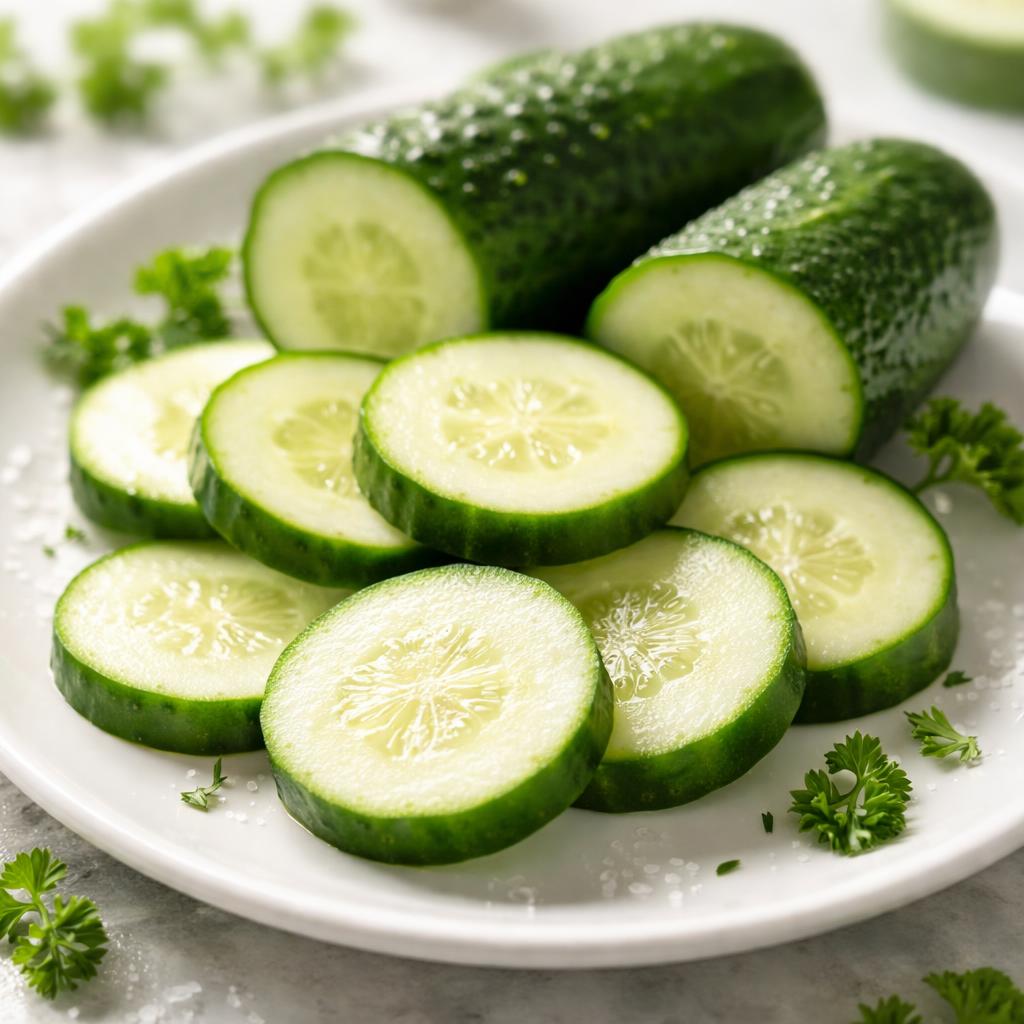
Cucumber

Crepes
🎯 Quick Verdict
Cucumber is a low-calorie, fiber-rich vegetable with minimal protein while crepes are calorie-dense, providing more protein but less fiber. Cucumber is ideal for weight loss and hydration, while crepes are better suited for higher energy or protein needs in balanced meals.

Smart Nutrition Tracking with SnapCalorie

📊 Nutritional Comparison
Macronutrients
| Nutrient | Food 1 | Food 2 | Winner |
|---|---|---|---|
| Calories | 15 | 120 | ✓ |
| Protein | 0.6g | 4g | ✓ |
| Carbs | 3.6g | 22g | ✓ |
| Fat | 0.1g | 6g | ✓ |
| Fiber | 0.5g | 0.2g | ✓ |
Vitamins & Minerals
| Nutrient | Food 1 | Food 2 | Winner |
|---|---|---|---|
| Vitamin K | 16.4mcg | 1.2mcg | ✓ |
| Vitamin C | 2.8mg | 0mg | ✓ |
| Vitamin A | 105IU | 50IU | ✓ |
| Iron | 0.3mg | 0.5mg | ✓ |
| Calcium | 16mg | 45mg | ✓ |
🏆 Category Winners
Protein
Crepes have over 6x the protein content per serving compared to cucumber.
Fiber
Cucumber contains more fiber for digestion benefits.
Calories
Cucumber is extremely low in calories, suitable for weight loss diets.
Vitamins
Cucumber contains higher amounts of Vitamin K, C, and A.
🥗 Diet Compatibility
Keto
Food 1: Compatible
Food 2: Not Compatible
Cucumber is very low-carb and keto-friendly.
Vegan
Food 1: Compatible
Food 2: Potentially compatible
Crepes may contain eggs and milk depending on preparation.
Gluten Free
Food 1: Compatible
Food 2: Not Compatible
Crepes are typically made from wheat flour unless a gluten-free variant is used.
Paleo
Food 1: Compatible
Food 2: Not Compatible
Cucumber fits into the paleo diet, while traditional crepes containing wheat or dairy do not.
Low Carb
Food 1: Compatible
Food 2: Not Compatible
Cucumber is naturally low-carb (3.6g per serving).
💪 Health Benefits Comparison
Food 1 Benefits
- Provides hydration with high water content
- Low-calorie food ideal for weight management
- Rich in vitamin K for bone health
- Contains antioxidants for reducing inflammation
Food 2 Benefits
- Good source of protein for muscle repair
- Provides energy due to higher carbohydrate content
- Contains iron for healthy blood oxygen levels
- Can be balanced with other ingredients like fruits or vegetables
✅ The Bottom Line
Cucumber is a better option for low-calorie, fiber-rich snacks or weight loss diets, while crepes are good for energy-dense meals requiring more protein. Choose cucumber for hydration and light meals, and crepes for post-workout recovery or balanced meals with added toppings.
Choose Food 1 for: Weight loss, hydration, light snacks, digestion support
Choose Food 2 for: Energy-dense breakfasts, protein enhancement, balanced meals


