Couscous Salad VS Breaded Pork Cutlet
A detailed nutritional comparison
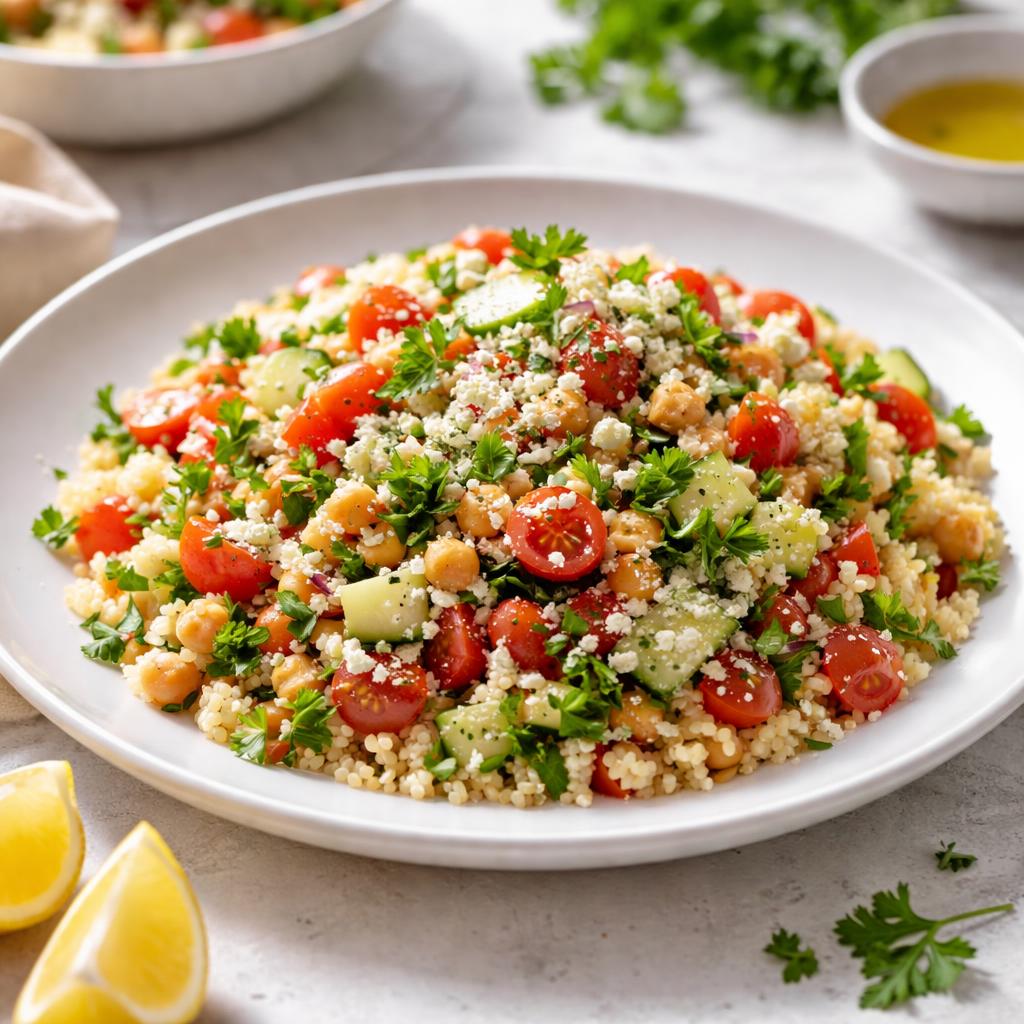
Couscous Salad
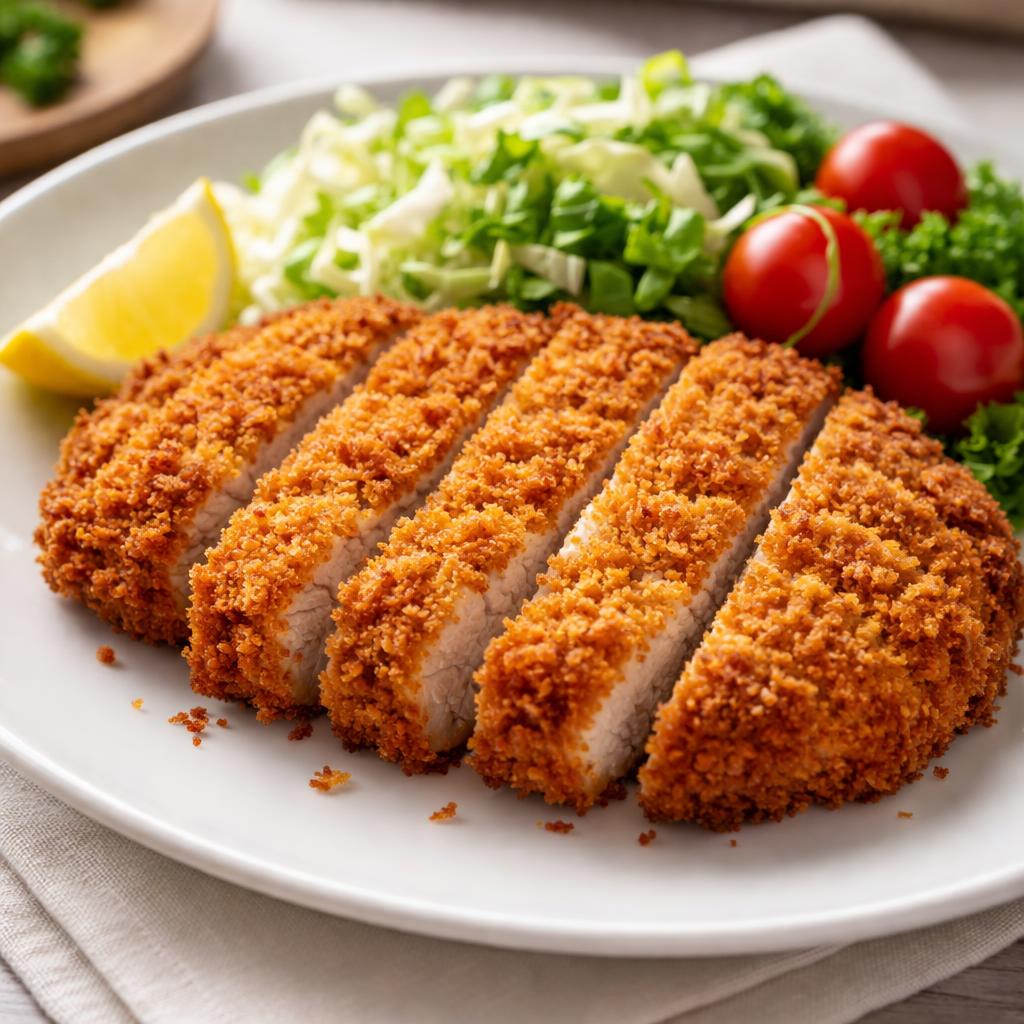
Breaded Pork Cutlet
🎯 Quick Verdict
Couscous salad is a lighter option with fewer calories, higher fiber, and a variety of plant-based nutrients, while breaded pork cutlet provides more protein and fat for energy. Couscous salad suits weight management and digestion, while pork cutlet is better for muscle-building diets and higher calorie needs.

Smart Nutrition Tracking with SnapCalorie

📊 Nutritional Comparison
Macronutrients
| Nutrient | Food 1 | Food 2 | Winner |
|---|---|---|---|
| Calories | 180 | 350 | ✓ |
| Protein | 6g | 22g | ✓ |
| Carbs | 28g | 30g | ✓ |
| Fat | 5g | 15g | ✓ |
| Fiber | 3g | 0.5g | ✓ |
Vitamins & Minerals
| Nutrient | Food 1 | Food 2 | Winner |
|---|---|---|---|
| Vitamin D | 0mcg | 0.8mcg | ✓ |
| Calcium | 25mg | 12mg | ✓ |
| Iron | 1.3mg | 0.7mg | ✓ |
🏆 Category Winners
Protein
Breaded pork cutlet has over three times more protein than couscous salad (22g vs 6g).
Fiber
Couscous salad has 3g of fiber, which is six times more than breaded pork cutlet.
Calories
Couscous salad has nearly 50% fewer calories than breaded pork cutlet.
🥗 Diet Compatibility
Keto
Food 1: Not Compatible
Food 2: Not Compatible
Both foods contain moderate carbohydrates that exceed keto-friendly limits.
Vegan
Food 1: Compatible
Food 2: Not Compatible
Couscous salad is plant-based, while breaded pork cutlet is animal-derived.
Gluten Free
Food 1: Not Compatible
Food 2: Not Compatible
Both foods contain gluten (couscous and breaded coating).
Paleo
Food 1: Not Compatible
Food 2: Compatible
Breaded pork cutlet can be modified for paleo by using almond or coconut flour in the breading, while couscous is inherently not paleo-friendly.
Low-Carb
Food 1: Not Compatible
Food 2: Not Compatible
Both foods contain over 25g of carbohydrates per serving.
💪 Health Benefits Comparison
Food 1 Benefits
- Higher fiber content supports digestive health.
- Lower in calories, making it suitable for weight management.
- Contains plant-based micronutrients for overall wellness.
Food 2 Benefits
- High protein for muscle repair and maintenance.
- Rich in vitamin D for bone health.
- Contains fats for sustained energy and satiety.
✅ The Bottom Line
Couscous salad is a better choice for those seeking lighter, nutrient-focused meals that support weight loss and digestion. Breaded pork cutlet is ideal for high-protein diets and individuals aiming to increase caloric intake or support muscle growth.
Choose Food 1 for: Weight management, digestion, plant-based diets
Choose Food 2 for: Muscle building, high-energy needs, post-exercise recovery


