Cornbread VS Turkish Bread
A detailed nutritional comparison
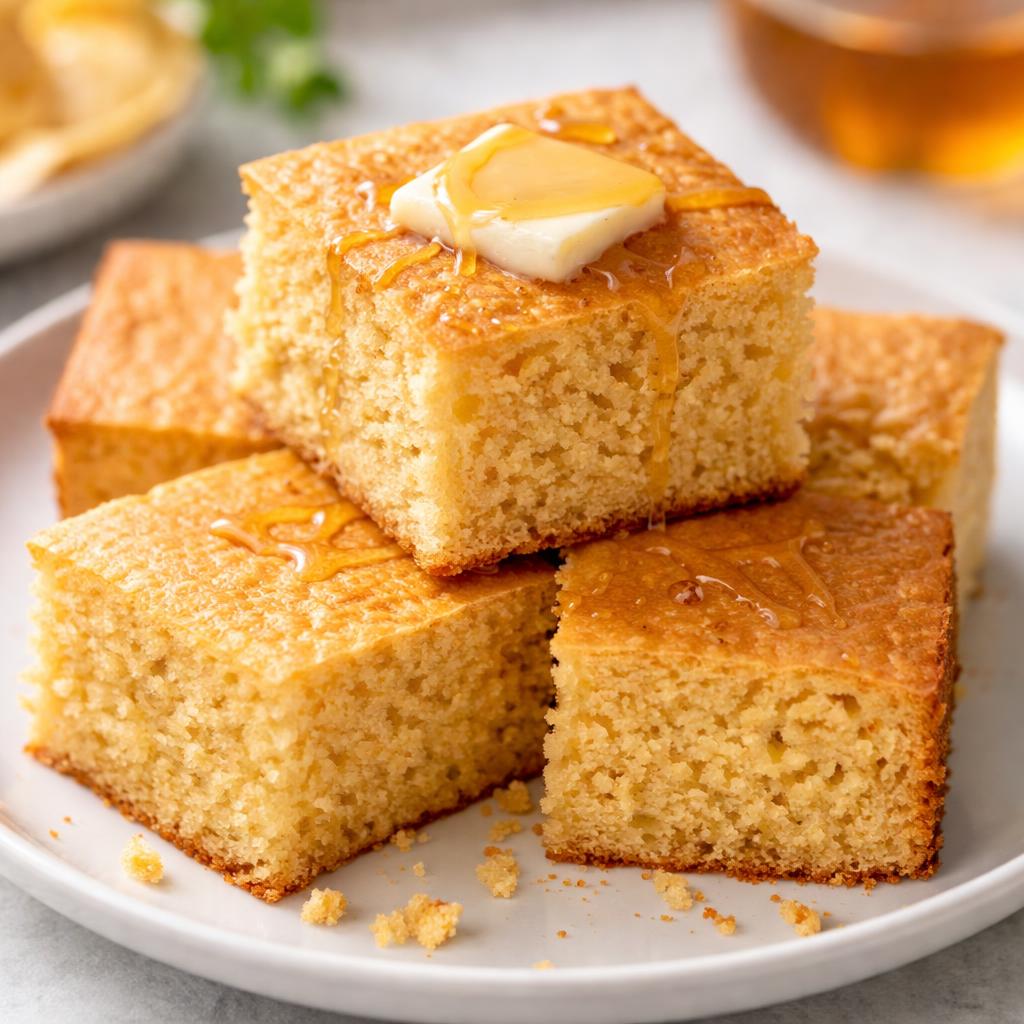
Cornbread
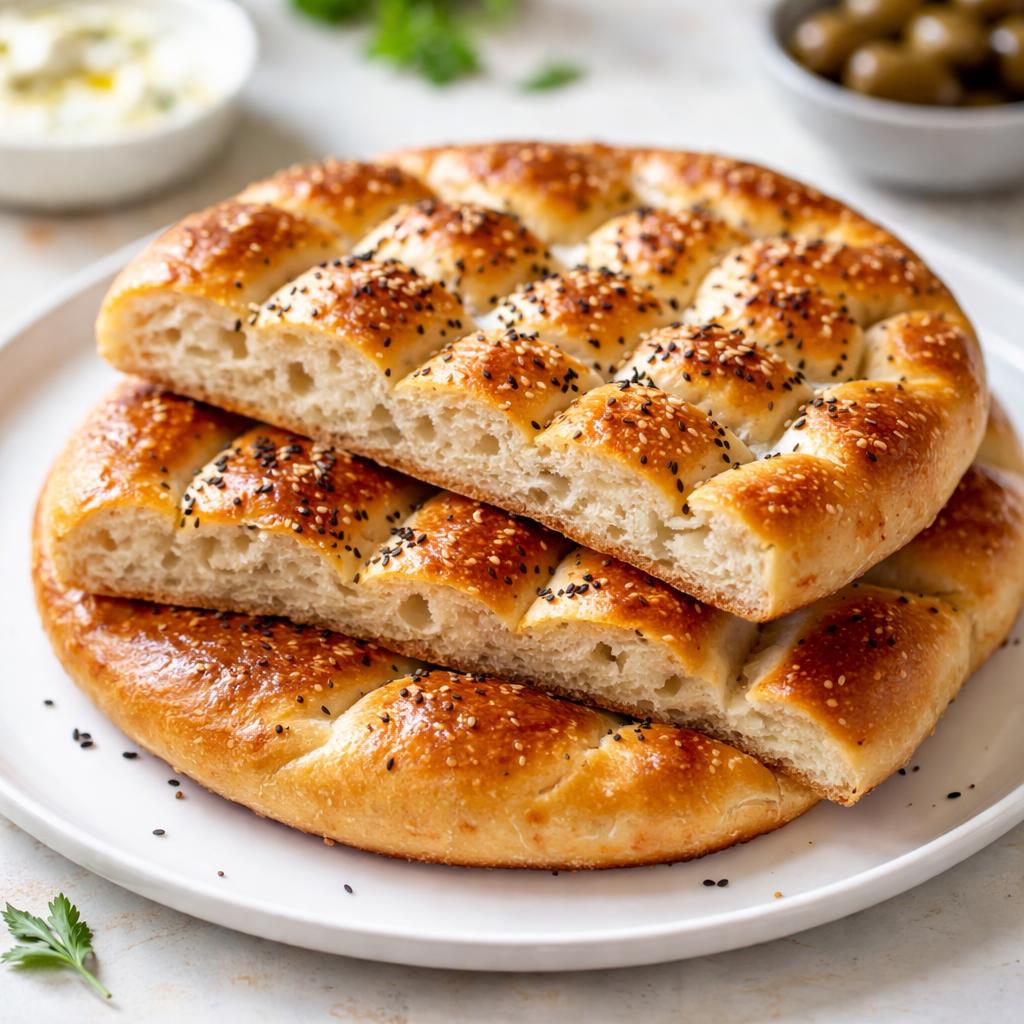
Turkish Bread
🎯 Quick Verdict
Cornbread is lower in calories and provides moderate fiber but is lower in protein compared to Turkish bread. Turkish bread excels in protein and fiber content, making it more filling and suited for active lifestyles. Cornbread is ideal for lighter meals or calorie-conscious diets, while Turkish bread offers sustainable energy for physical activities.

Smart Nutrition Tracking with SnapCalorie

📊 Nutritional Comparison
Macronutrients
| Nutrient | Food 1 | Food 2 | Winner |
|---|---|---|---|
| Calories | 180 per slice (60g) | 230 per slice (80g) | ✓ |
| Protein | 3g per slice | 9g per slice | ✓ |
| Carbs | 30g per slice | 40g per slice | ✓ |
| Fat | 7g per slice | 2g per slice | ✓ |
| Fiber | 2g per slice | 3g per slice | ✓ |
Vitamins & Minerals
| Nutrient | Food 1 | Food 2 | Winner |
|---|---|---|---|
| Vitamin B6 | 0.1mg | 0.2mg | ✓ |
| Calcium | 50mg | 20mg | ✓ |
| Iron | 1.5mg | 2mg | ✓ |
🏆 Category Winners
Protein
Turkish bread has three times more protein per serving, supporting muscle health.
Fiber
Turkish bread provides 50% more fiber, aiding digestion.
Calories
Cornbread has approximately 22% fewer calories per serving.
Vitamins
Cornbread has a higher calcium content, beneficial for bone health.
🥗 Diet Compatibility
Keto
Food 1: Not Compatible
Food 2: Not Compatible
Both are high-carb foods.
Vegan
Food 1: Not Compatible (contains eggs or milk)
Food 2: Compatible
Turkish bread can be prepared without animal products.
Gluten Free
Food 1: Not Compatible
Food 2: Not Compatible
Both contain gluten from wheat or flour.
Paleo
Food 1: Not Compatible
Food 2: Not Compatible
Neither fits the grain-free paleo framework.
Low-Carb
Food 1: Not Compatible
Food 2: Not Compatible
Neither is suitable for low-carb diets with over 30g carbs per serving.
💪 Health Benefits Comparison
Food 1 Benefits
- Lower in calories, supporting weight management
- Contains healthy fats from butter or added oils
- Provides a modest amount of calcium for bone health
Food 2 Benefits
- Rich in protein, promoting muscle repair and growth
- Higher fiber content for digestive health
- Provides sustained energy due to its complex carbohydrates
✅ The Bottom Line
Choose cornbread for fewer calories and a slightly sweeter, comfort-food experience. Turkish bread is the better option for higher protein, fiber, and sustained energy, ideal for active lifestyles or filling meals.
Choose Food 1 for: Light meals, calorie-conscious diets, side dishes
Choose Food 2 for: Protein-rich diets, active lifestyles, hearty meals or sandwiches


