Cooked Pasta VS Rotini Pasta
A detailed nutritional comparison
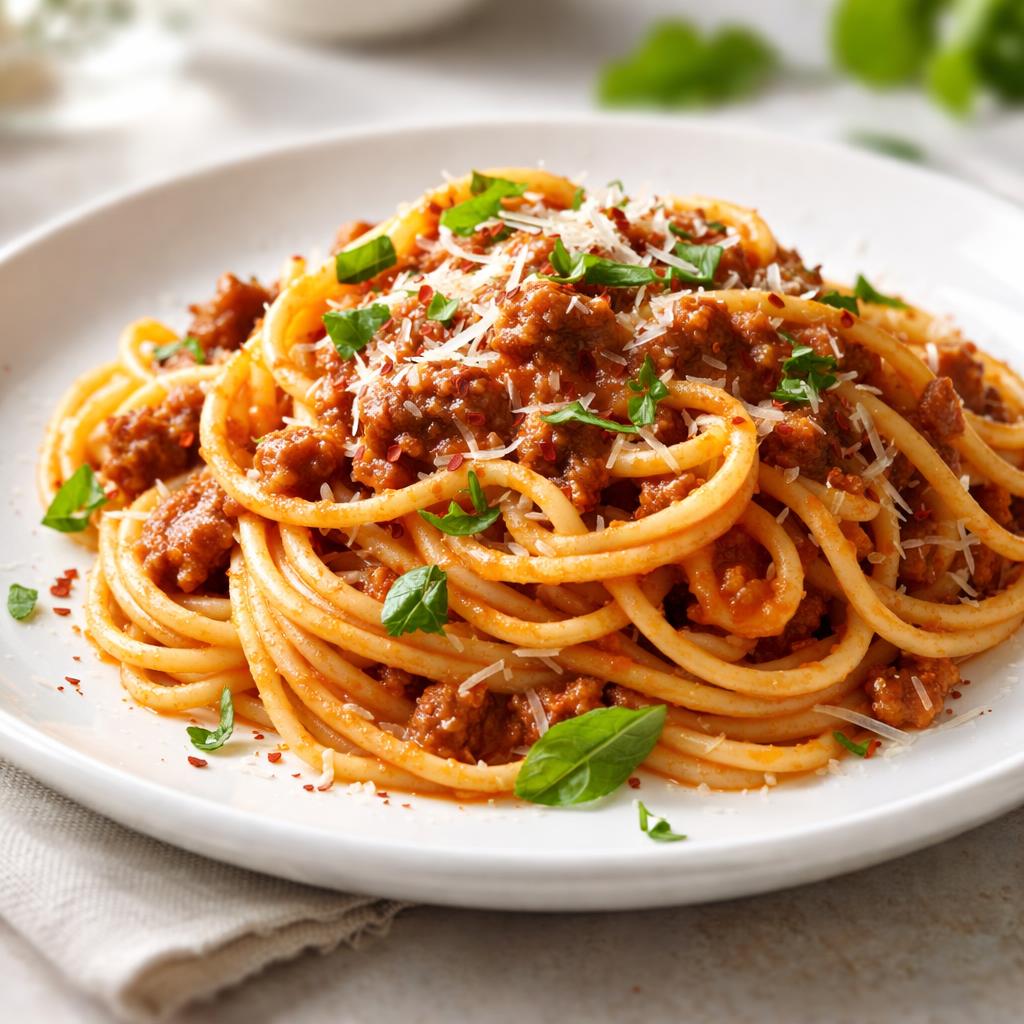
Cooked Pasta
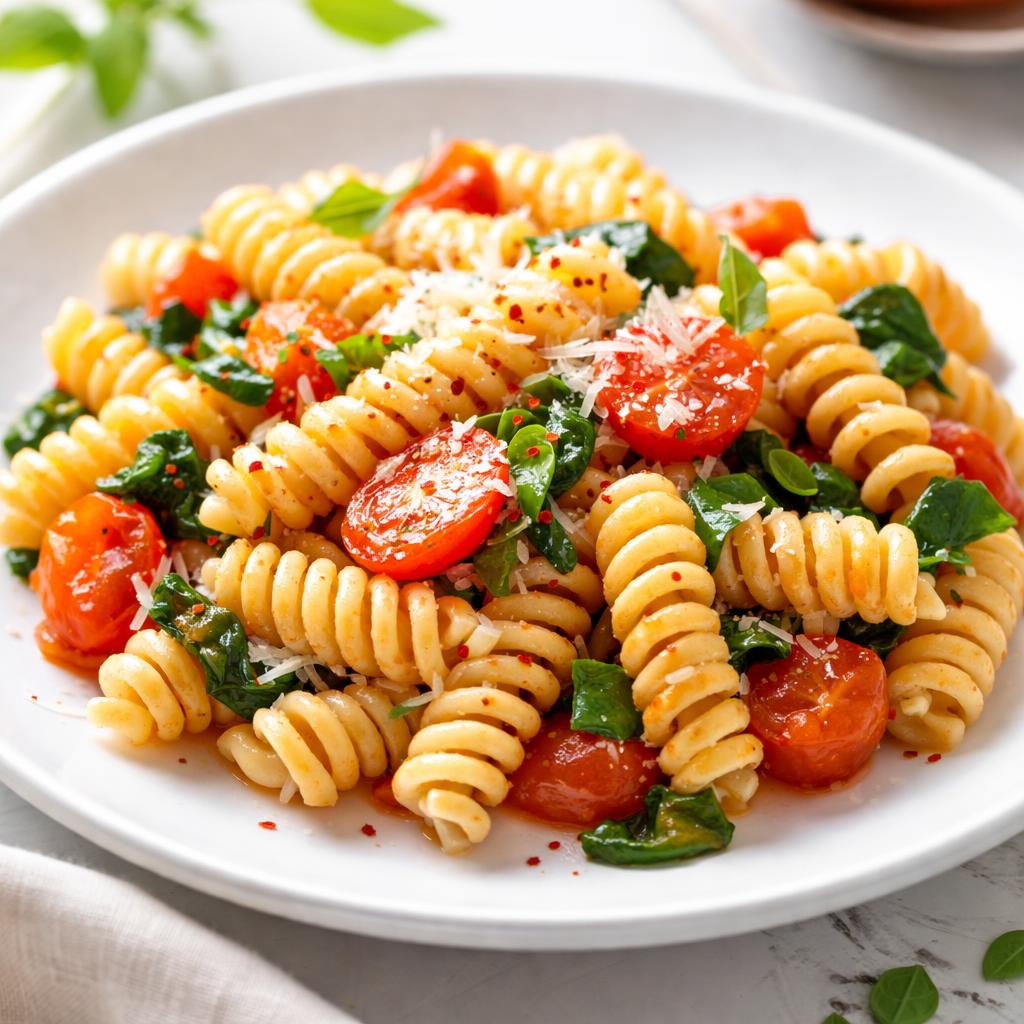
Rotini Pasta
🎯 Quick Verdict
Cooked pasta and rotini pasta have similar nutritional profiles, but minor differences in macronutrients. Cooked pasta is slightly lower in calories and higher in fiber, while rotini pasta has marginally higher protein content. Both are versatile options for energy-packed meals, but food1 may fit better in weight management plans due to lower calories.

Smart Nutrition Tracking with SnapCalorie

📊 Nutritional Comparison
Macronutrients
| Nutrient | Food 1 | Food 2 | Winner |
|---|---|---|---|
| Calories | 158 kcal | 200 kcal | ✓ |
| Protein | 5.8g | 7g | ✓ |
| Carbs | 31.2g | 41g | ✓ |
| Fat | 0.9g | 1.3g | ✓ |
| Fiber | 1.8g | 1g | ✓ |
Vitamins & Minerals
| Nutrient | Food 1 | Food 2 | Winner |
|---|---|---|---|
| Vitamin B6 | 0.2mg | 0.1mg | ✓ |
| Folate | 102mcg | 85mcg | ✓ |
| Iron | 1.3mg | 1.1mg | ✓ |
🏆 Category Winners
Protein
Rotini pasta contains slightly higher protein content per serving.
Fiber
Cooked pasta contains almost double the fiber (1.8g vs 1g).
Calories
Cooked pasta has fewer calories, making it a lighter option.
Vitamins
Cooked pasta is richer in folate and iron compared to rotini pasta.
🥗 Diet Compatibility
Keto
Food 1: Not Compatible
Food 2: Not Compatible
Both foods are high in carbs and unsuitable for keto diets.
Vegan
Food 1: Compatible
Food 2: Compatible
Neither contains animal products.
Gluten Free
Food 1: Not Compatible
Food 2: Not Compatible
Both are made from wheat and contain gluten.
Paleo
Food 1: Not Compatible
Food 2: Not Compatible
Pasta is a processed food not allowed in paleo diets.
Low Carb
Food 1: Not Compatible
Food 2: Not Compatible
Both are carb-dense foods with over 30g of carbs per serving.
💪 Health Benefits Comparison
Food 1 Benefits
- Lower in calories, supports weight management
- Moderate fiber content for digestive health
- Good source of folate and iron for red blood cell production
Food 2 Benefits
- Higher protein content for muscle maintenance
- Source of B vitamins for energy metabolism
- Provides sustained energy from complex carbohydrates
✅ The Bottom Line
Both cooked pasta and rotini pasta are energy-dense, versatile foods suitable for balanced diets, but cooked pasta edges out for weight-conscious eaters due to lower calories and higher fiber. Rotini pasta is slightly better for those prioritizing protein intake.
Choose Food 1 for: Weight management, digestive health, nutrient-rich meal bases
Choose Food 2 for: Protein-rich options, energy for endurance activities, pasta salads


