Chicken VS Salsa
A detailed nutritional comparison
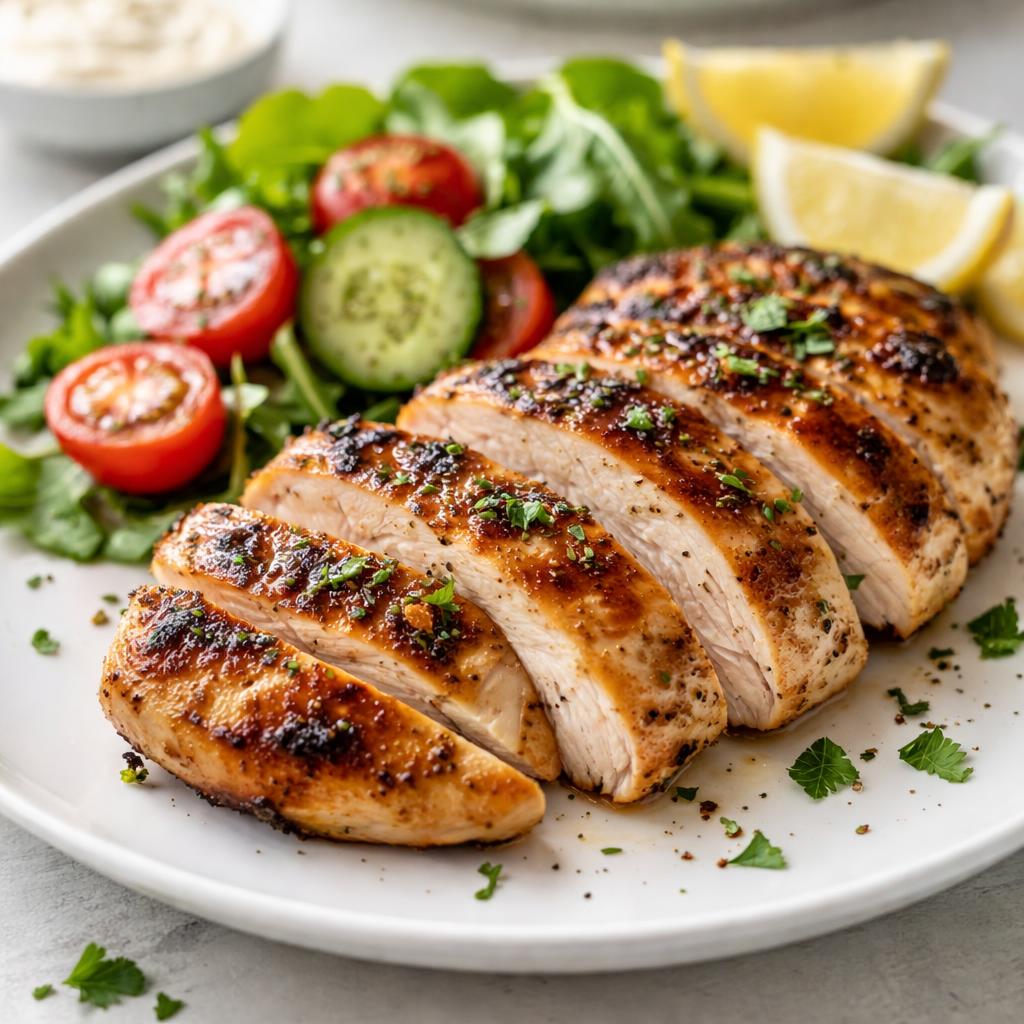
Chicken
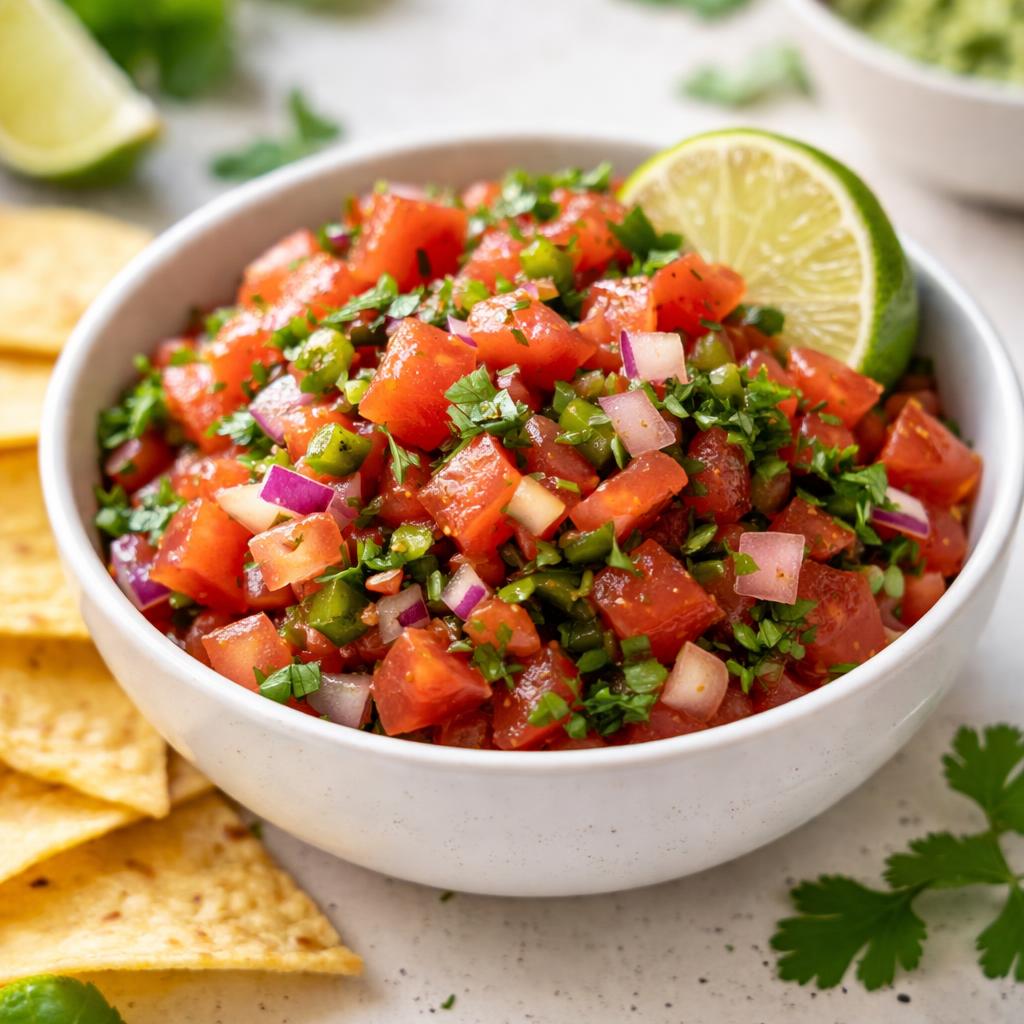
Salsa
🎯 Quick Verdict
Chicken is significantly higher in protein and better for muscle building and recovery, while salsa provides a higher amount of fiber and vitamins like vitamin C. Chicken is ideal for protein-focused diets, whereas salsa is a low-calorie, flavorful addition that boosts antioxidant intake without adding excessive calories.

Smart Nutrition Tracking with SnapCalorie

📊 Nutritional Comparison
Macronutrients
| Nutrient | Food 1 | Food 2 | Winner |
|---|---|---|---|
| Calories | 165 | 20 | − |
| Protein | 31g | 1g | ✓ |
| Carbs | 0g | 4g | ✓ |
| Fat | 3.6g | 0.2g | ✓ |
| Fiber | 0g | 1g | ✓ |
Vitamins & Minerals
| Nutrient | Food 1 | Food 2 | Winner |
|---|---|---|---|
| Vitamin C | 0mg | 15mg | ✓ |
| Vitamin A | 14mcg | 300mcg | ✓ |
| Iron | 1mg | 0.3mg | ✓ |
🏆 Category Winners
Protein
Chicken contains 31g of protein versus salsa's 1g, making it significantly more protein-rich.
Fiber
Salsa provides 1g of fiber while chicken lacks fiber entirely.
Calories
Both are low-calorie options, with chicken at 165 calories per serving and salsa at 20 calories.
Vitamins
Salsa is rich in vitamin C and vitamin A, offering higher quantities than chicken.
🥗 Diet Compatibility
Keto
Food 1: Compatible
Food 2: Compatible
Both foods are low in carbohydrates, suitable for keto diets.
Vegan
Food 1: Not Compatible
Food 2: Compatible
Chicken is animal-derived, while salsa is plant-based.
Gluten Free
Food 1: Compatible
Food 2: Compatible
Neither contains gluten, making both suitable for gluten-free diets.
Paleo
Food 1: Compatible
Food 2: Compatible
Both align with paleo principles, as chicken is unprocessed and salsa uses whole food ingredients.
Low-Carb
Food 1: Compatible
Food 2: Compatible
Chicken has no carbs, while salsa is very low-carb with only 4g per serving.
💪 Health Benefits Comparison
Food 1 Benefits
- High in protein for muscle repair and maintenance
- A good source of iron for oxygen transport in the blood
- Low in fat, suitable for weight management
- Provides no carbohydrates, making it suitable for low-carb diets
Food 2 Benefits
- Rich in vitamin C, which supports immunity and skin health
- Low-calorie and nutrient-dense, great for weight loss diets
- Provides vitamin A for eye health
- Contains some fiber to enhance digestion
✅ The Bottom Line
Choose chicken when looking for a high-protein main dish, especially for post-workout recovery or muscle-building diets. Salsa is ideal for adding flavor and nutrients to meals with minimal calories. Use salsa as a condiment or topping, whereas chicken serves as a protein-packed centerpiece of a meal.
Choose Food 1 for: High-protein diets, muscle building, weight loss
Choose Food 2 for: Low-calorie flavor, nutrient enhancement, vegan diets


