Chicken VS Penne Pasta
A detailed nutritional comparison
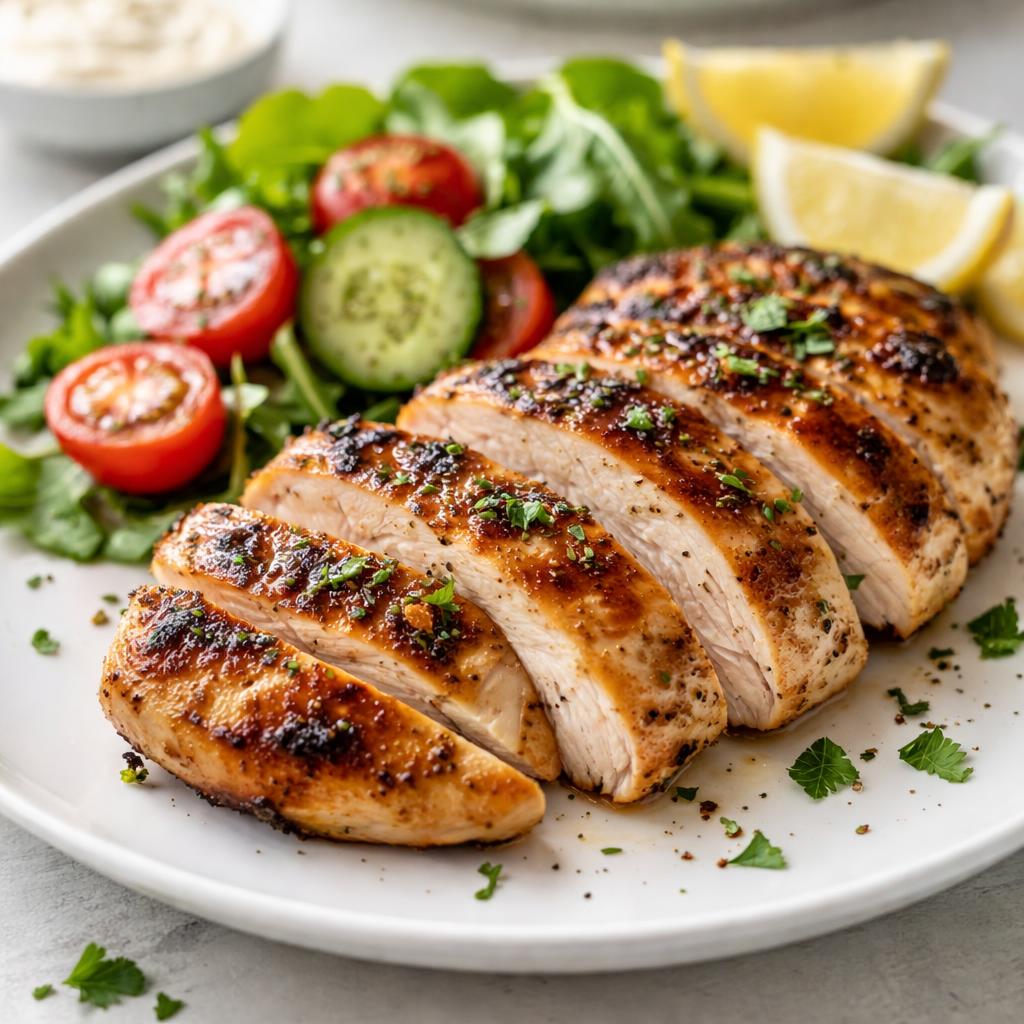
Chicken
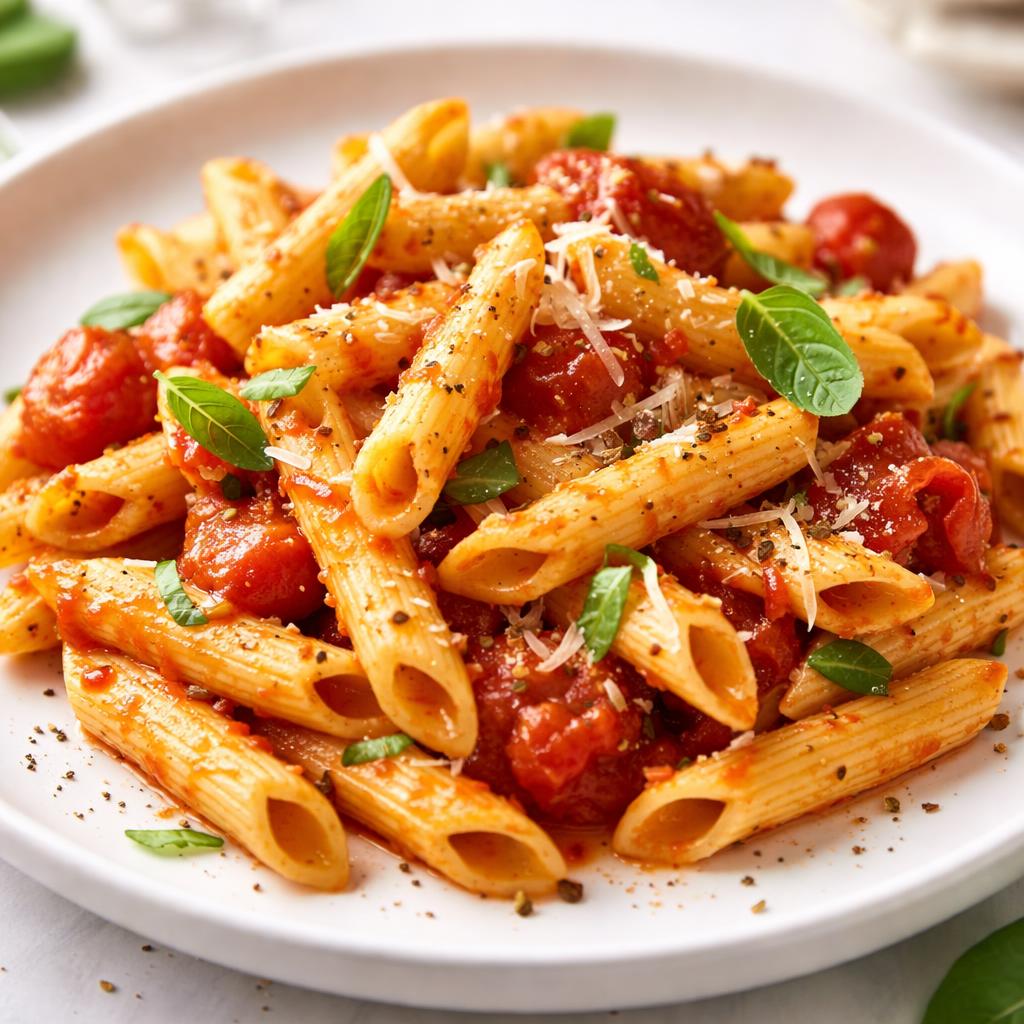
Penne Pasta
🎯 Quick Verdict
Chicken and penne pasta serve very different nutritional roles. Chicken is higher in protein and lower in calories, making it ideal for building muscle and weight management. Penne pasta provides more carbohydrates and fiber for sustained energy. Choose chicken for protein-focused meals, and pasta for fueling endurance activities or balanced diets with grains.

Smart Nutrition Tracking with SnapCalorie

📊 Nutritional Comparison
Macronutrients
| Nutrient | Food 1 | Food 2 | Winner |
|---|---|---|---|
| Calories | 165 (per 100g skinless cooked) | 352 (per 100g dry) | ✓ |
| Protein | 31g | 7g | ✓ |
| Carbs | 0g | 70g | ✓ |
| Fat | 3.6g | 1.5g | ✓ |
| Fiber | 0g | 3g | ✓ |
Vitamins & Minerals
| Nutrient | Food 1 | Food 2 | Winner |
|---|---|---|---|
| Vitamin D | 0.1mcg | 0mcg | ✓ |
| Calcium | 13mg | 20mg | ✓ |
| Iron | 0.9mg | 1.8mg | ✓ |
🏆 Category Winners
Protein
Chicken has over 4x more protein per serving than penne pasta.
Fiber
Penne pasta contains 3g of fiber, whereas chicken has none.
Calories
Chicken is lower in calories compared to penne pasta by more than half per 100g.
Vitamins
Penne pasta provides slightly more calcium and iron per serving.
🥗 Diet Compatibility
Keto
Food 1: Compatible
Food 2: Not Compatible
Chicken is low-carb, while pasta is high-carb.
Vegan
Food 1: Not Compatible
Food 2: Compatible
Chicken is an animal product, whereas penne pasta is plant-based.
Gluten Free
Food 1: Compatible
Food 2: Not Compatible
Chicken is naturally gluten-free. Penne pasta contains gluten unless specifically gluten-free.
Paleo
Food 1: Compatible
Food 2: Not Compatible
Chicken fits a paleo diet while pasta does not.
Low-Carb
Food 1: Compatible
Food 2: Not Compatible
Chicken is low in carbohydrates, but pasta is high in carbs.
💪 Health Benefits Comparison
Food 1 Benefits
- Excellent source of high-quality protein for muscle synthesis
- Low calories and fat, suitable for weight management
- Contains B vitamins important for energy metabolism
Food 2 Benefits
- Rich in carbohydrates for sustained energy and athletic performance
- Good source of dietary fiber for improved digestion
- Provides iron and calcium for bone and blood health
✅ The Bottom Line
Choose chicken for high-protein meals, weight management, and low-carb diets. Opt for penne pasta when you need sustained energy from carbs and additional fiber, especially for endurance activities or vegetarian meal plans.
Choose Food 1 for: Low-carb diets, muscle building, weight loss, paleo plans
Choose Food 2 for: Energy-boosting meals, vegetarian diets, high-fiber diets


