Chicken VS Honey
A detailed nutritional comparison
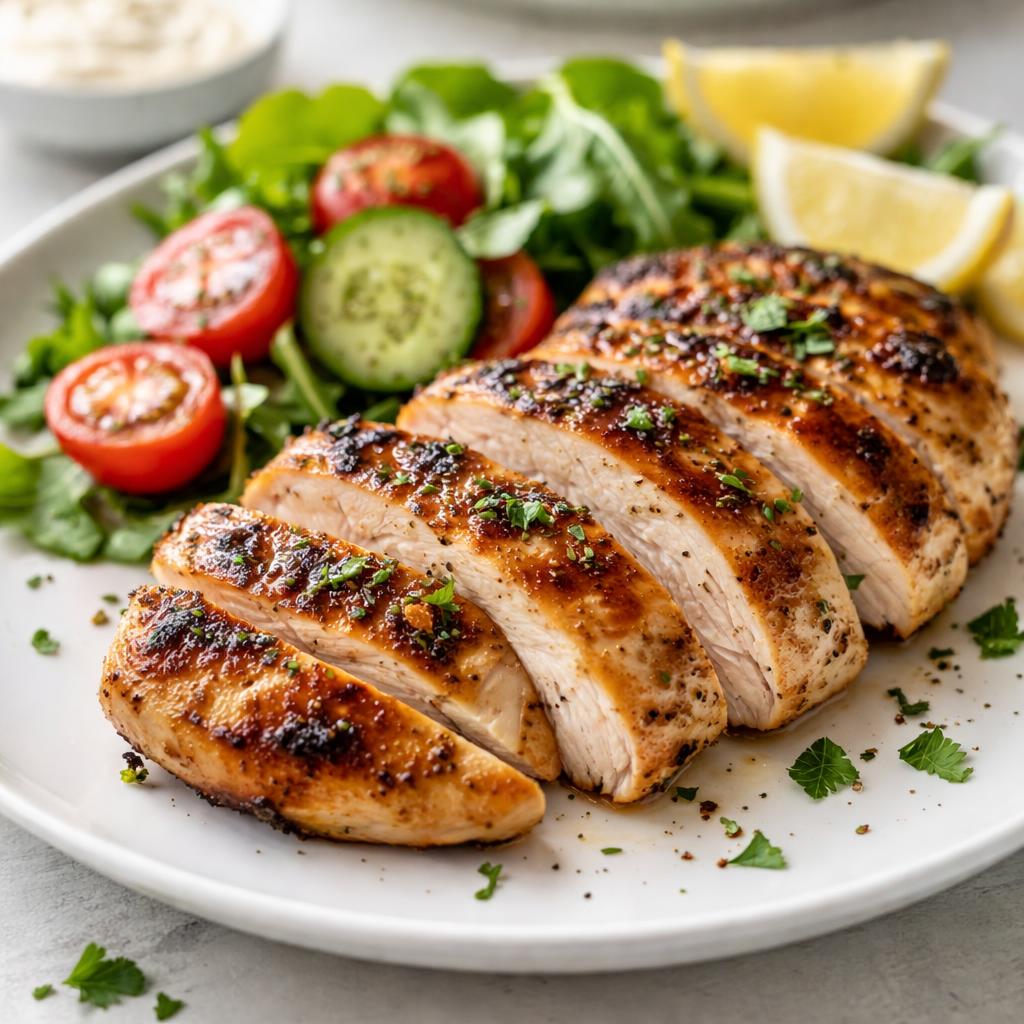
Chicken

Honey
🎯 Quick Verdict
Chicken dominates as a protein-rich and low-calorie choice, making it ideal for muscle building and weight loss diets. Honey, by contrast, provides quick energy and natural sweetness, but is calorie-dense and lacks significant protein or fiber. Each food suits different dietary goals: chicken for nutrition, honey for energy boosts or sweetening purposes.

Smart Nutrition Tracking with SnapCalorie

📊 Nutritional Comparison
Macronutrients
| Nutrient | Food 1 | Food 2 | Winner |
|---|---|---|---|
| Calories | 165 | 304 | ✓ |
| Protein | 31g | 0.3g | ✓ |
| Carbs | 0g | 82g | ✓ |
| Fat | 3.6g | 0g | ✓ |
| Fiber | 0g | 0g | − |
Vitamins & Minerals
| Nutrient | Food 1 | Food 2 | Winner |
|---|---|---|---|
| Vitamin D | 0.1mcg | 0mcg | ✓ |
| Calcium | 13mg | 6mg | ✓ |
| Iron | 1mg | 0.4mg | ✓ |
🏆 Category Winners
Protein
Chicken contains 31g of protein per serving, significantly higher than honey’s negligible 0.3g.
Fiber
Neither food contains fiber, making this category a tie.
Calories
Chicken has nearly 50% fewer calories than honey, making it lower-calorie overall.
🥗 Diet Compatibility
Keto
Food 1: Compatible
Food 2: Not Compatible
Chicken is zero-carb, making it ideal for keto diets, while honey is carb-heavy and not suitable.
Vegan
Food 1: Not Compatible
Food 2: Compatible
Chicken is an animal product, while honey is plant-based.
Gluten Free
Food 1: Compatible
Food 2: Compatible
Both foods are naturally gluten-free.
Paleo
Food 1: Compatible
Food 2: Compatible
Both are allowed in paleo diets, with chicken as a protein source and honey as natural sweetener.
Low Carb
Food 1: Compatible
Food 2: Not Compatible
Chicken contains no carbs, while honey is carb-heavy.
💪 Health Benefits Comparison
Food 1 Benefits
- Rich source of high-quality protein for muscle growth and repair
- Low in fat, supporting heart health and weight management
- Provides essential vitamins such as Vitamin B6 for brain function
Food 2 Benefits
- Natural energy booster from quick-digesting sugars
- Contains antioxidants that may support cellular health
- Provides small amounts of minerals like zinc, supporting immunity
✅ The Bottom Line
Chicken is the winner for those prioritizing protein, low calories, and overall balanced nutrition, ideal for fitness and weight loss goals. Honey is better suited for quick energy during physical activity or as a natural sweetener in moderation due to its calorie and sugar density.
Choose Food 1 for: Muscle building, weight management, balanced nutrition
Choose Food 2 for: Energy boosts, sweetening purposes, antioxidants


