Chicken VS Breakfast Burrito
A detailed nutritional comparison
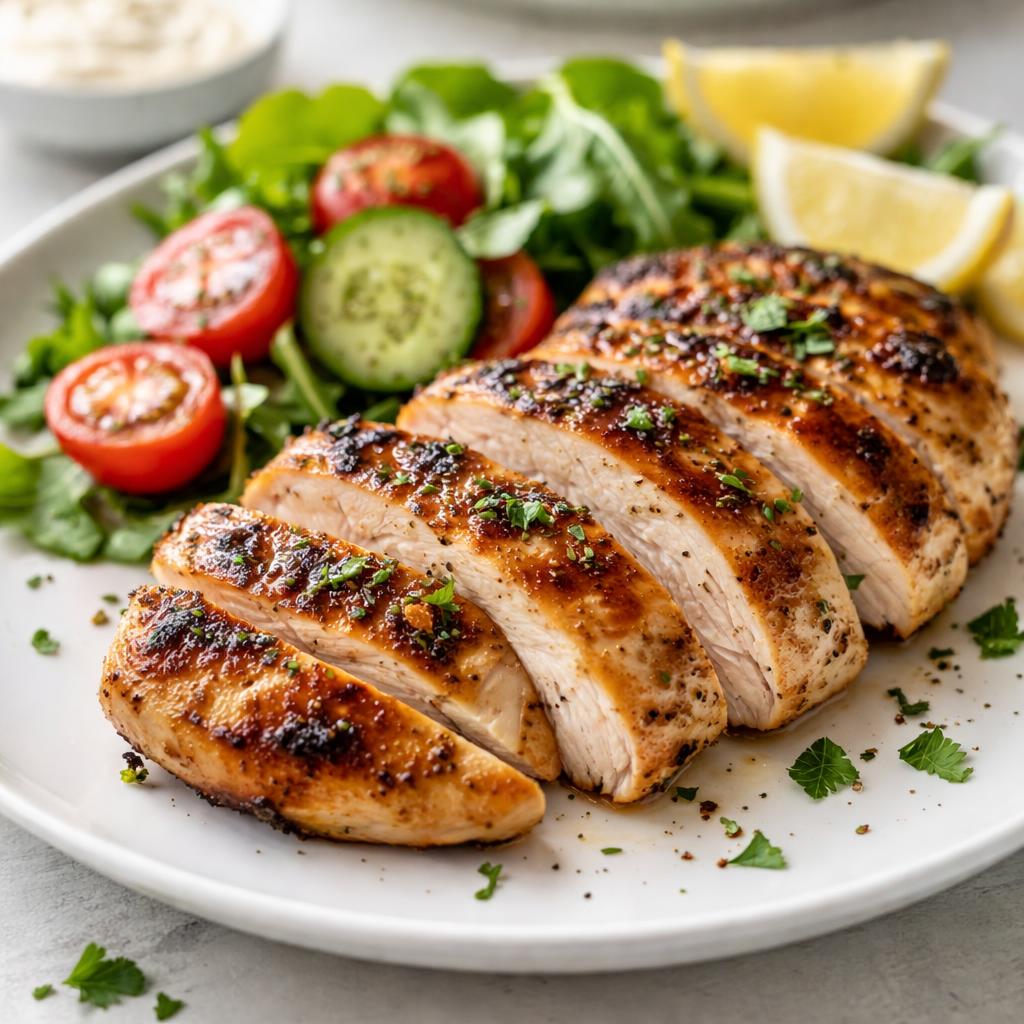
Chicken
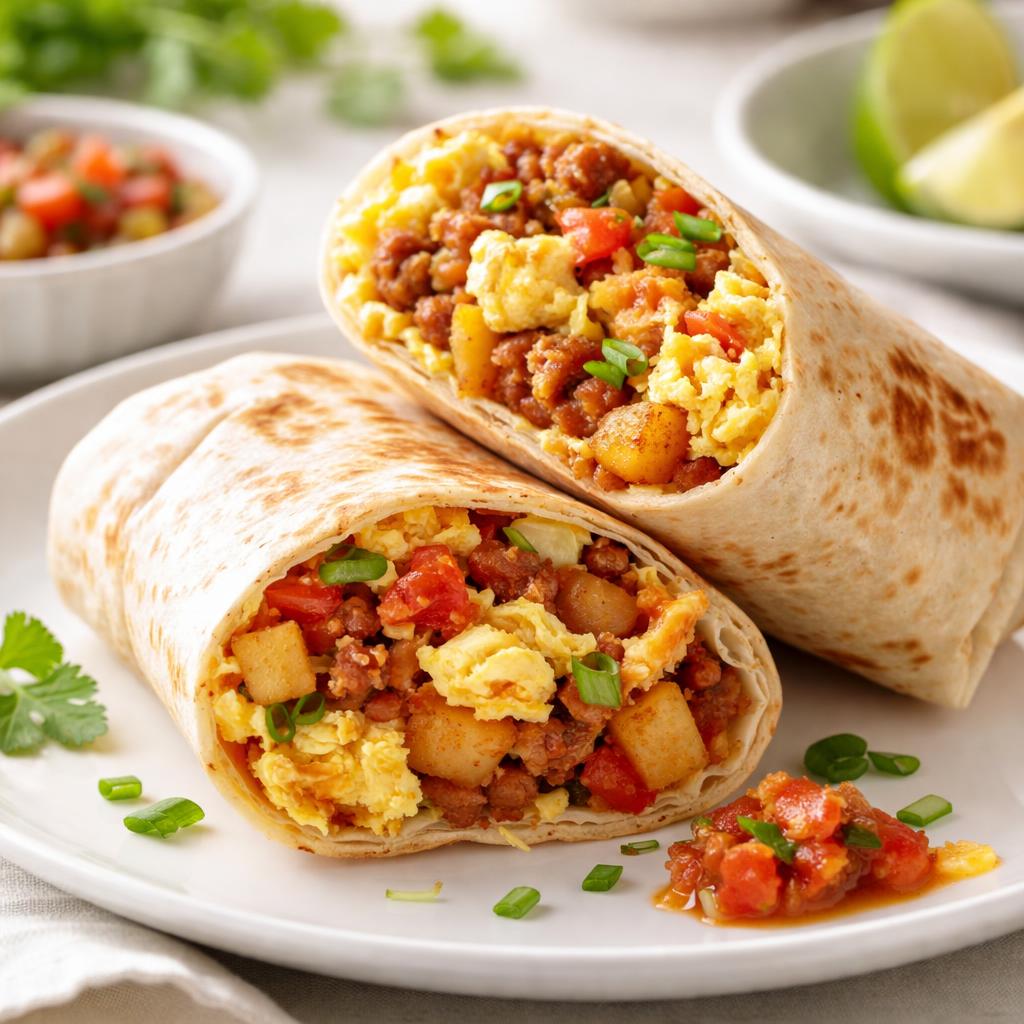
Breakfast Burrito
🎯 Quick Verdict
Chicken is leaner, provides more protein, and is lower in calories, making it ideal for weight loss and muscle-focused diets. Breakfast burrito offers a balanced combination of carbs, fats, and fiber, making it better suited for energy-dense meals or a quick grab-and-go breakfast. Both have distinct nutritional profiles based on your dietary needs.

Smart Nutrition Tracking with SnapCalorie

📊 Nutritional Comparison
Macronutrients
| Nutrient | Food 1 | Food 2 | Winner |
|---|---|---|---|
| Calories | 165 (per 3.5 oz) | 290 (average per burrito) | ✓ |
| Protein | 31g | 12g | ✓ |
| Carbs | 0g | 27g | ✓ |
| Fat | 3.6g | 12g | ✓ |
| Fiber | 0g | 3g | ✓ |
Vitamins & Minerals
| Nutrient | Food 1 | Food 2 | Winner |
|---|---|---|---|
| Vitamin D | 0mcg | 1mcg | ✓ |
| Calcium | 12mg | 150mg | ✓ |
| Iron | 1mg | 2mg | ✓ |
🏆 Category Winners
Protein
Chicken delivers 158% more protein per serving than the breakfast burrito.
Fiber
The breakfast burrito contains 3g of fiber, which is vital for digestion.
Calories
Chicken is lower in calories, ideal for weight management diets.
Vitamins
The breakfast burrito offers more Vitamin D, Calcium, and Iron compared to chicken.
🥗 Diet Compatibility
Keto
Food 1: Compatible
Food 2: Not Compatible
Chicken has 0 carbs, while the breakfast burrito has 27g of carbs.
Vegan
Food 1: Not Compatible
Food 2: Not Compatible
Both are animal-based or include animal products.
Gluten Free
Food 1: Compatible
Food 2: Not Compatible
Breakfast burritos often contain flour tortillas which are not gluten-free.
Paleo
Food 1: Compatible
Food 2: Not Compatible
Chicken aligns with paleo diets; the burrito ingredients like tortillas and dairy do not.
Low Carb
Food 1: Compatible
Food 2: Not Compatible
Chicken has 0 carbs per serving while the breakfast burrito is higher in carbs at 27g.
💪 Health Benefits Comparison
Food 1 Benefits
- Excellent source of protein to support muscle growth and repair
- Low in calories for weight management
- Naturally low-carb, suitable for keto and paleo diets
Food 2 Benefits
- Balanced macros providing energy for active days
- Contains fiber for promoting digestion
- Rich in essential micronutrients like Calcium and Iron
✅ The Bottom Line
Choose chicken when you need a high-protein, low-calorie option for weight loss or muscle building. Opt for a breakfast burrito for a more balanced, energy-dense meal that includes fiber and micronutrients for overall health.
Choose Food 1 for: Weight loss, high-protein diets, post-workout meals
Choose Food 2 for: Quick breakfast, sustained energy meals, nutrient diversity


