Cheese VS Wrap
A detailed nutritional comparison
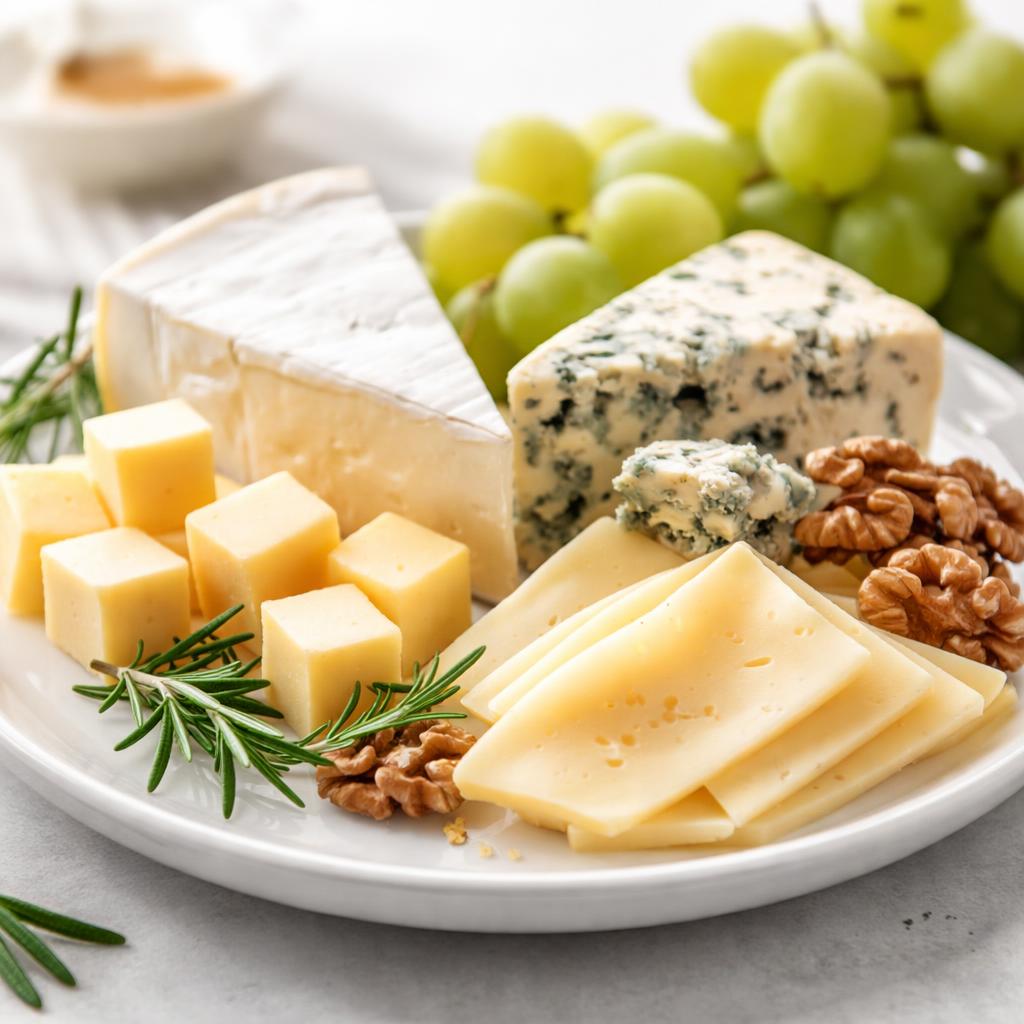
Cheese
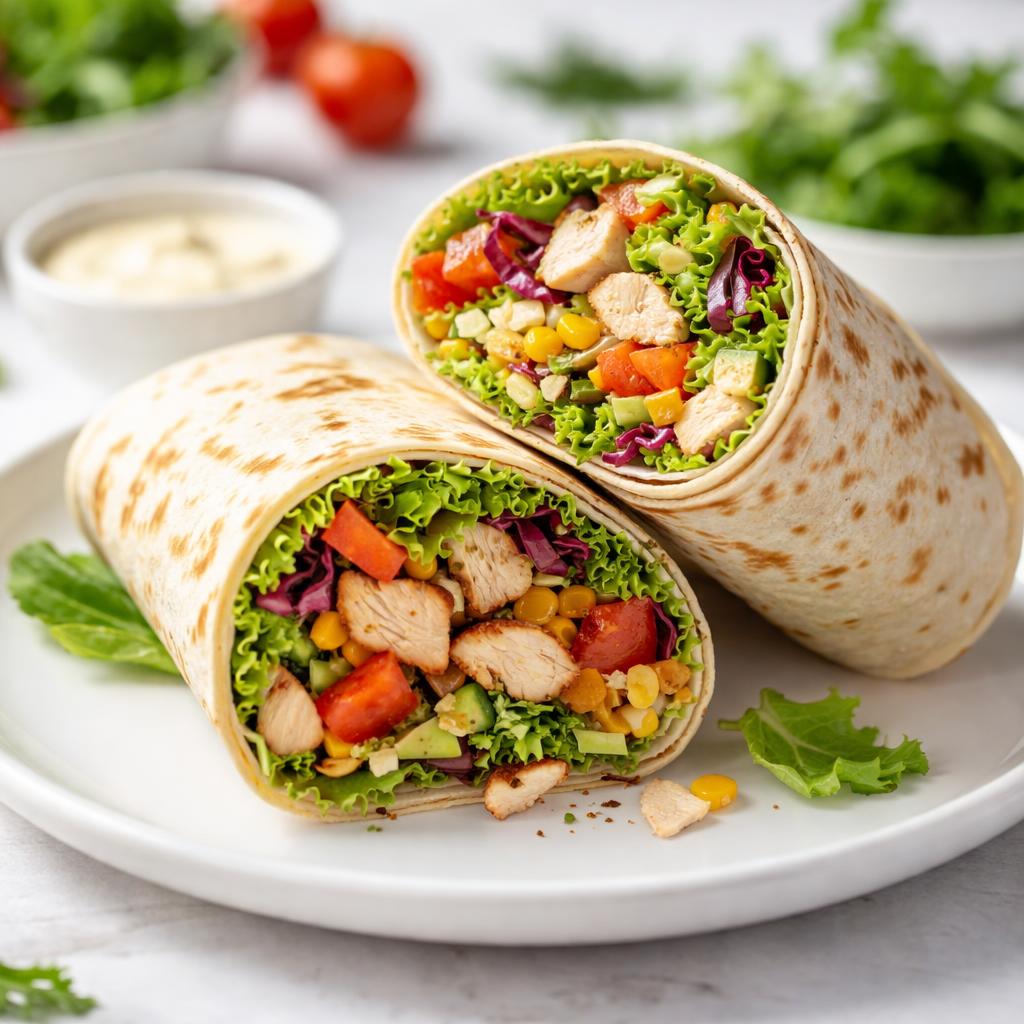
Wrap
🎯 Quick Verdict
Cheese is higher in protein, lower in calories, and contains essential vitamins like calcium and vitamin D. Wraps, on the other hand, offer more fiber and complex carbohydrates, making them better for sustained energy. Cheese is ideal for high-protein diets, while wraps are great for balanced meals or supporting digestive health.

Smart Nutrition Tracking with SnapCalorie

📊 Nutritional Comparison
Macronutrients
| Nutrient | Food 1 | Food 2 | Winner |
|---|---|---|---|
| Calories | 113 | 170 | ✓ |
| Protein | 7g | 4g | ✓ |
| Carbs | 1g | 30g | ✓ |
| Fat | 9g | 3g | ✓ |
| Fiber | 0g | 2g | ✓ |
Vitamins & Minerals
| Nutrient | Food 1 | Food 2 | Winner |
|---|---|---|---|
| Vitamin D | 0.5mcg | 0mcg | ✓ |
| Calcium | 200mg | 50mg | ✓ |
| Iron | 0mg | 1.3mg | ✓ |
🏆 Category Winners
Protein
Cheese has 75% more protein per serving than a wrap.
Fiber
Wraps provide 2g of fiber per serving, while cheese has none.
Calories
Cheese has 33% fewer calories per serving than a wrap.
Vitamins
Cheese is significantly higher in vitamin D and calcium.
🥗 Diet Compatibility
Keto
Food 1: Compatible
Food 2: Not Compatible
Cheese is high-fat and low-carb, perfect for keto diets.
Vegan
Food 1: Not Compatible
Food 2: Compatible
Cheese is dairy-based, while wraps are plant-based.
Gluten Free
Food 1: Compatible
Food 2: Not Compatible
Most wraps contain gluten; cheese is naturally gluten-free.
Paleo
Food 1: Compatible
Food 2: Not Compatible
Cheese aligns more with paleo principles than wraps.
Low-Carb
Food 1: Compatible
Food 2: Not Compatible
Cheese has negligible carbs, whereas wraps are high-carb.
💪 Health Benefits Comparison
Food 1 Benefits
- Excellent source of high-quality protein for muscle maintenance
- Rich in calcium for strong bones and teeth
- Contains vitamin D, supporting immune health and calcium absorption
Food 2 Benefits
- Provides complex carbohydrates for long-lasting energy
- Moderate amount of fiber supports digestion and gut health
- Contains iron, which can help prevent anemia
✅ The Bottom Line
Cheese is best suited for individuals on low-carb or ketogenic diets and those needing more protein and calcium. Wraps are better for those seeking more fiber and sustained energy, such as for active individuals or balanced meal goals.
Choose Food 1 for: Low-carb diets, high-protein needs, bone health
Choose Food 2 for: Fiber intake, energy sustenance, plant-based diets


