Cheese VS Salami
A detailed nutritional comparison
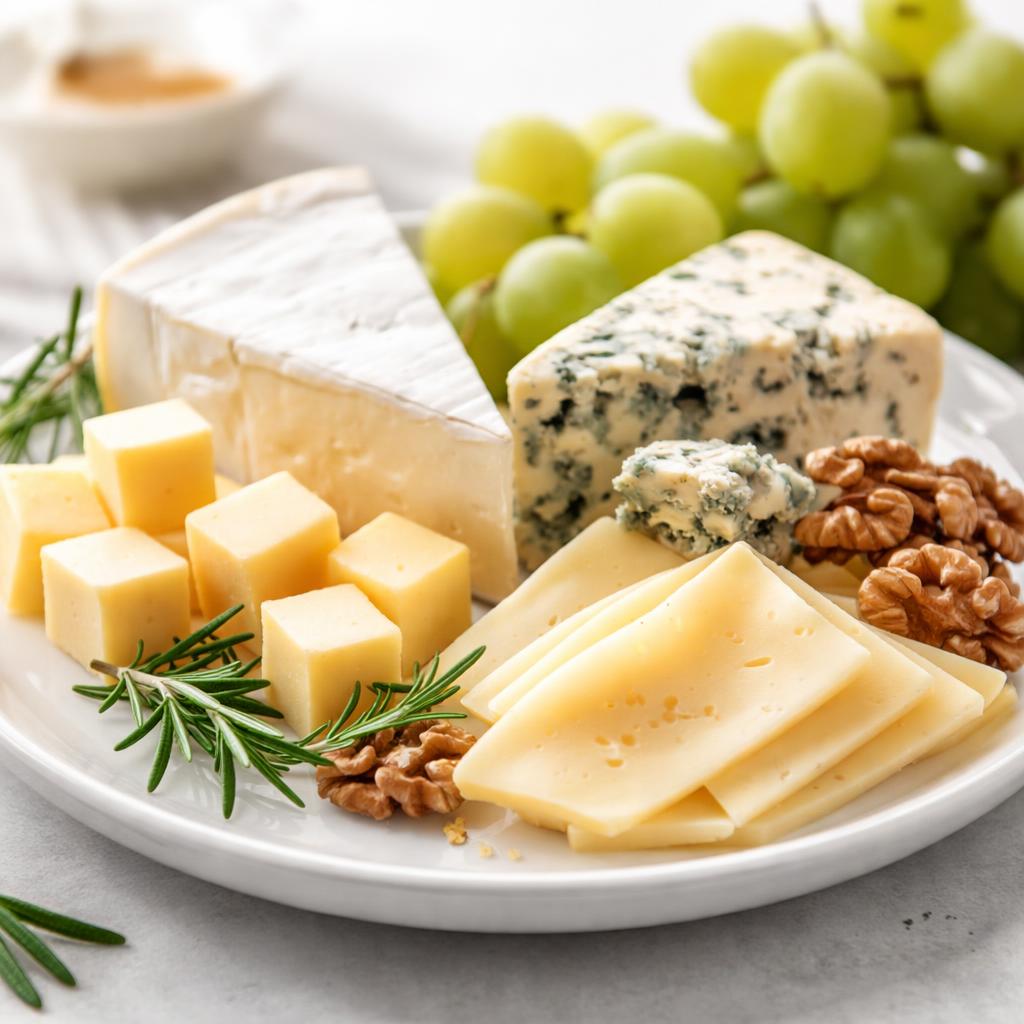
Cheese
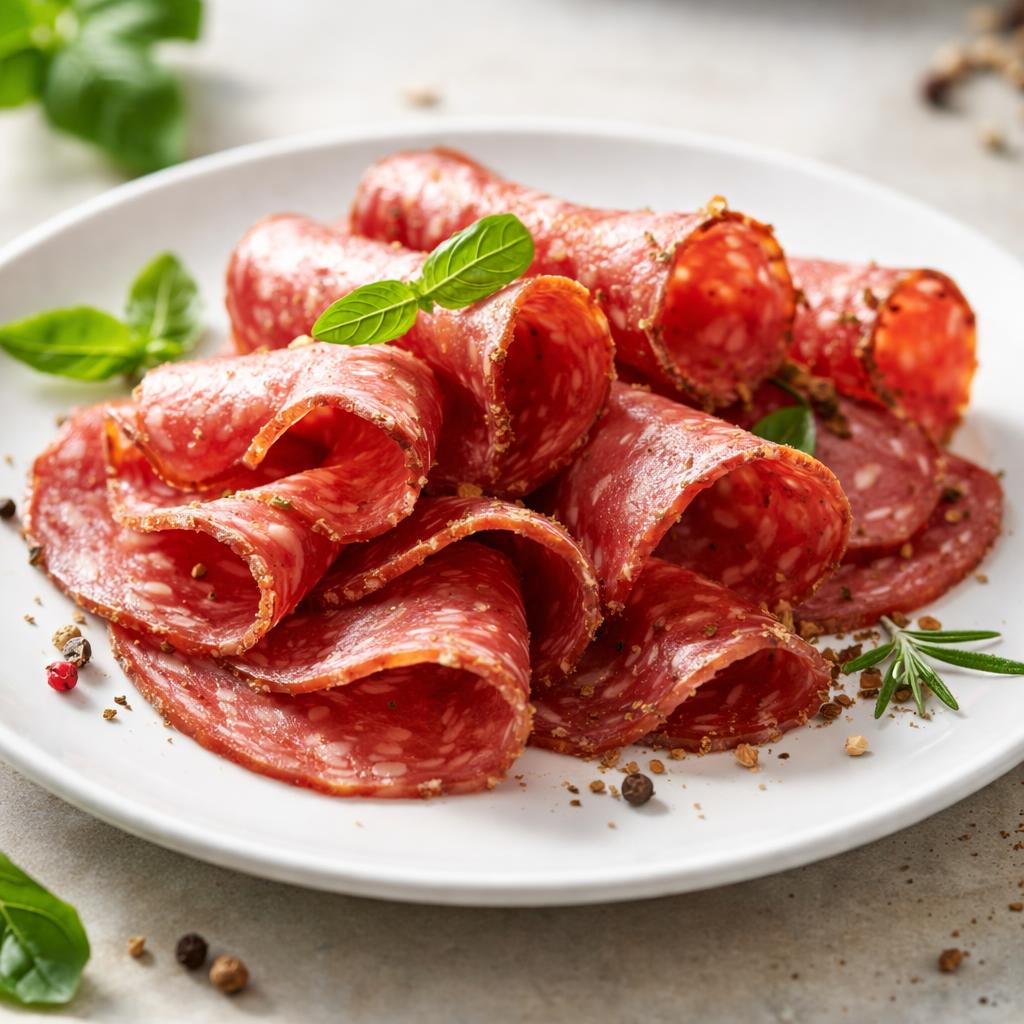
Salami
🎯 Quick Verdict
Cheese and salami both are protein-rich, keto-friendly foods but differ in fat and calorie content. Cheese is lower in calories and higher in calcium, making it ideal for bone health, while salami offers more sodium and flavorful fats but fewer nutrients overall. Choose cheese for a nutrient-dense option or salami for energy-dense snacking.

Smart Nutrition Tracking with SnapCalorie

📊 Nutritional Comparison
Macronutrients
| Nutrient | Food 1 | Food 2 | Winner |
|---|---|---|---|
| Calories | 113 | 132 | ✓ |
| Protein | 7g | 6g | ✓ |
| Carbs | 1g | 1g | − |
| Fat | 9g | 11g | ✓ |
| Fiber | 0g | 0g | − |
Vitamins & Minerals
| Nutrient | Food 1 | Food 2 | Winner |
|---|---|---|---|
| Vitamin D | 0.2mcg | 0mcg | ✓ |
| Calcium | 200mg | 17mg | ✓ |
| Iron | 0.2mg | 1.3mg | ✓ |
🏆 Category Winners
Protein
Cheese provides slightly more protein per serving.
Fiber
Neither food contains any significant fiber.
Calories
Cheese has fewer calories per serving compared to salami.
Vitamins
Cheese is significantly higher in calcium and small amounts of vitamin D.
🥗 Diet Compatibility
Keto
Food 1: Compatible
Food 2: Compatible
Both foods are low in carbs.
Vegan
Food 1: Not Compatible
Food 2: Not Compatible
Both foods are animal-based.
Gluten Free
Food 1: Compatible
Food 2: Compatible
Neither contains gluten.
Paleo
Food 1: Not Compatible
Food 2: Compatible
Cheese is not paleo due to dairy, salami is acceptable if minimally processed.
Low Carb
Food 1: Compatible
Food 2: Compatible
Both are very low in carbs (1g per serving).
💪 Health Benefits Comparison
Food 1 Benefits
- Rich in calcium for bone health
- Contains protein for muscle maintenance
- Provides small amounts of vitamin D for immune function
Food 2 Benefits
- Energy-dense with healthy fats
- Provides iron for oxygen transport in the body
- Low-carb, making it suitable for ketogenic diets
✅ The Bottom Line
Cheese and salami both have their strengths depending on dietary goals. Cheese is best for a lower-calorie, nutrient-dense option that supports bone health. Salami is a flavorful, higher-fat choice that works well for energy-dense snacks. Choose cheese for nutrition and salami for indulgence.
Choose Food 1 for: Bone health, weight management, nutrient density
Choose Food 2 for: Energy-dense snacking, salty and fatty flavor boosts


