Cheese VS Noodle Soup
A detailed nutritional comparison
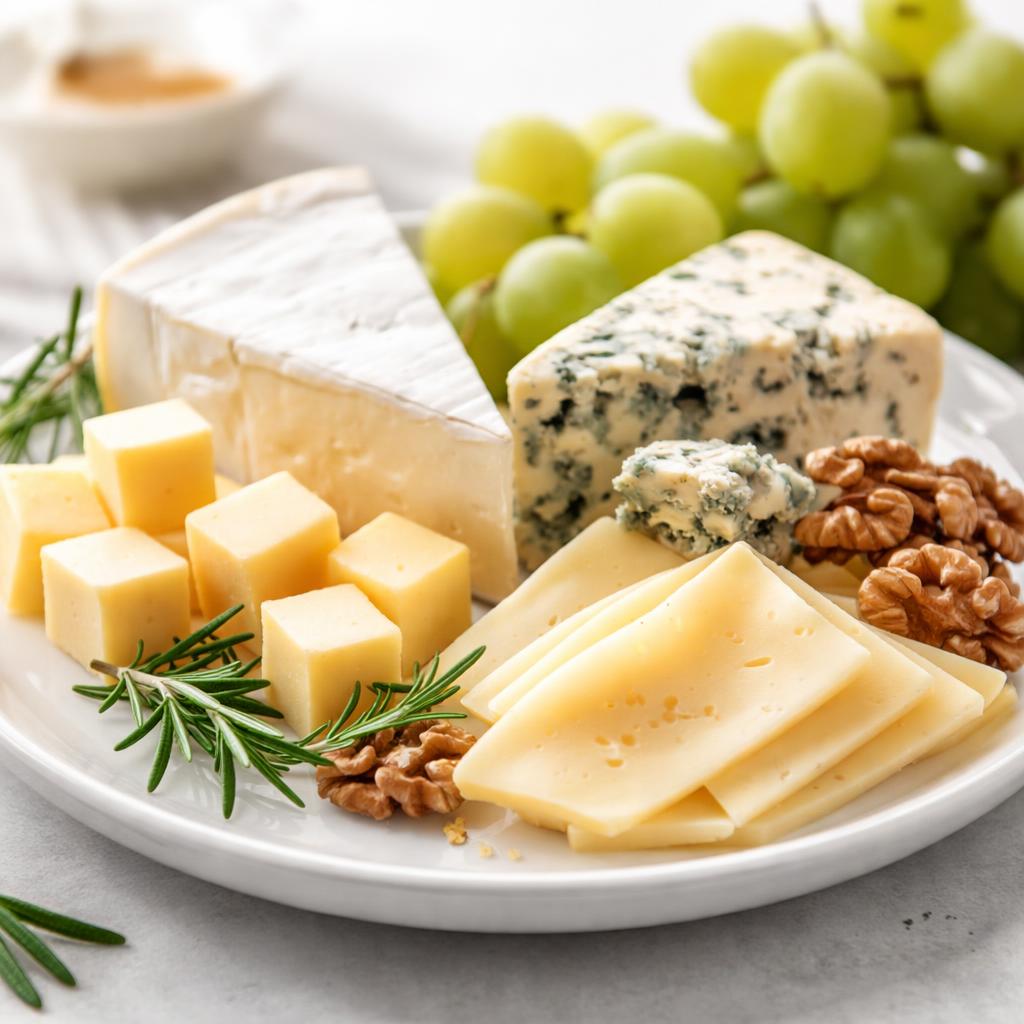
Cheese
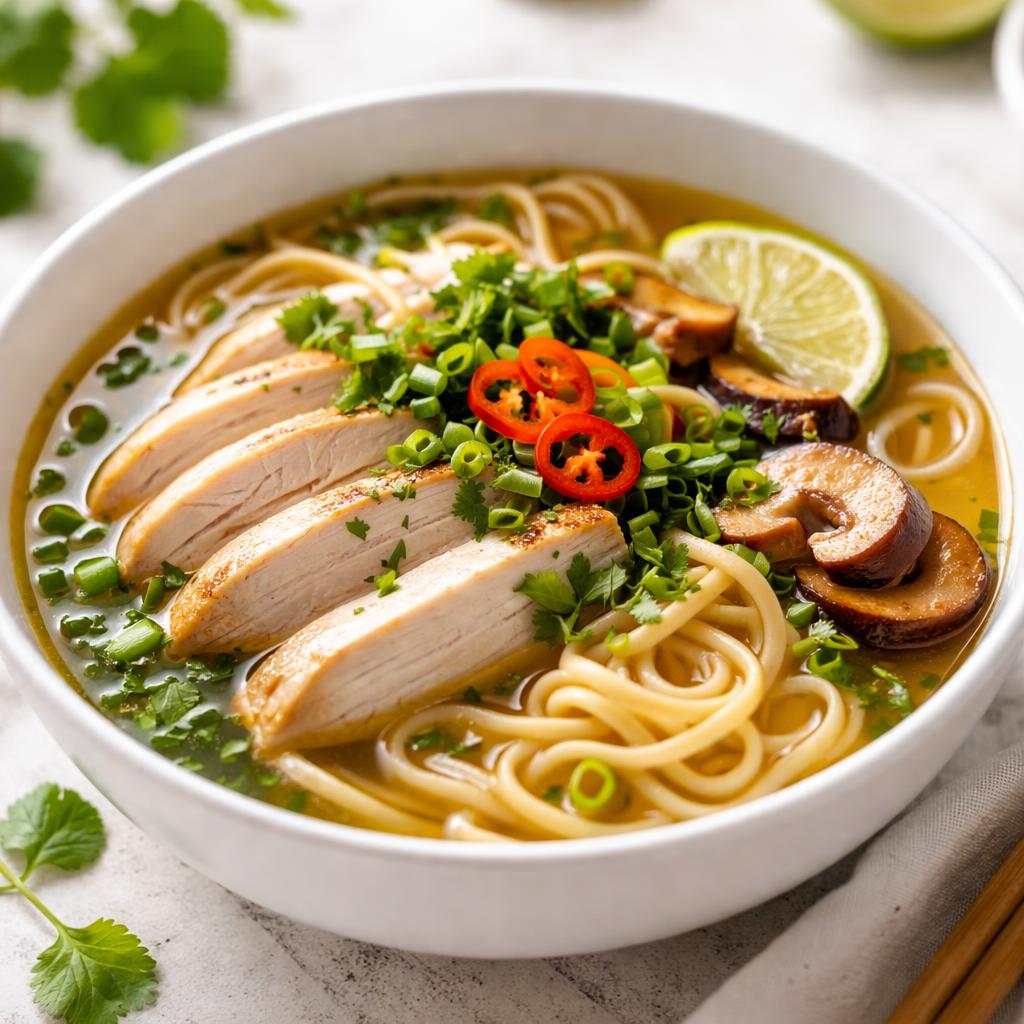
Noodle Soup
🎯 Quick Verdict
Cheese is high in protein, rich in calcium, and low in fiber while being calorie-dense, making it ideal for muscle maintenance and keto diets. Noodle soup is lower in protein but contains more fiber and fluids, making it better suited for digestion and hydration during illness or lighter meals.

Smart Nutrition Tracking with SnapCalorie

📊 Nutritional Comparison
Macronutrients
| Nutrient | Food 1 | Food 2 | Winner |
|---|---|---|---|
| Calories | 110 (per 1 oz) | 75 (per 1 cup prepared) | − |
| Protein | 7g | 2g | − |
| Carbs | 1g | 10g | − |
| Fat | 9g | 3g | − |
| Fiber | 0g | 1g | − |
Vitamins & Minerals
| Nutrient | Food 1 | Food 2 | Winner |
|---|---|---|---|
| Vitamin D | 0.2mcg | 0mcg | − |
| Calcium | 200mg | 35mg | − |
| Iron | 0.1mg | 0.4mg | − |
🏆 Category Winners
Protein
Cheese offers over 3 times more protein per serving compared to noodle soup.
Fiber
Noodle soup contains a small amount of fiber whereas cheese has none.
Calories
Noodle soup is lower in calories, making it a lighter meal option.
🥗 Diet Compatibility
Keto
Food 1: Compatible
Food 2: Not Compatible
Cheese is very low in carbs; noodle soup has 10g of carbs per serving.
Vegan
Food 1: Not Compatible
Food 2: Depends on ingredients
Cheese is dairy-based, while noodle soup can be vegan if prepared with plant-based broth and no animal products.
Gluten Free
Food 1: Compatible
Food 2: Depends on ingredients
Cheese is naturally gluten-free. Noodle soup may contain gluten depending on noodle type.
Paleo
Food 1: Compatible
Food 2: Not Compatible
Cheese is often accepted in modified paleo diets while noodle soup is not due to processed noodles.
Low-Carb
Food 1: Compatible
Food 2: Not Compatible
Cheese contains virtually no carbs, whereas noodle soup has a moderate carbohydrate content.
💪 Health Benefits Comparison
Food 1 Benefits
- Excellent source of calcium for bone health
- High in protein to support muscle maintenance and repair
- Rich in healthy fats, supporting satiety and energy on low-carb diets
Food 2 Benefits
- Provides hydration, making it ideal during illness or recovery
- Contains fiber for digestive health
- Low-calorie option suitable for lighter meals or weight management
✅ The Bottom Line
Cheese is ideal for high-protein, low-carb diets such as keto or paleo, and works well as an energy-dense snack. Noodle soup is better for hydration, digestion, and light meals, particularly during colder weather or when recovering from illness.
Choose Food 1 for: Keto diets, muscle maintenance, calcium intake
Choose Food 2 for: Hydration, light meals, digestion support


