Cheese VS Mozzarella
A detailed nutritional comparison
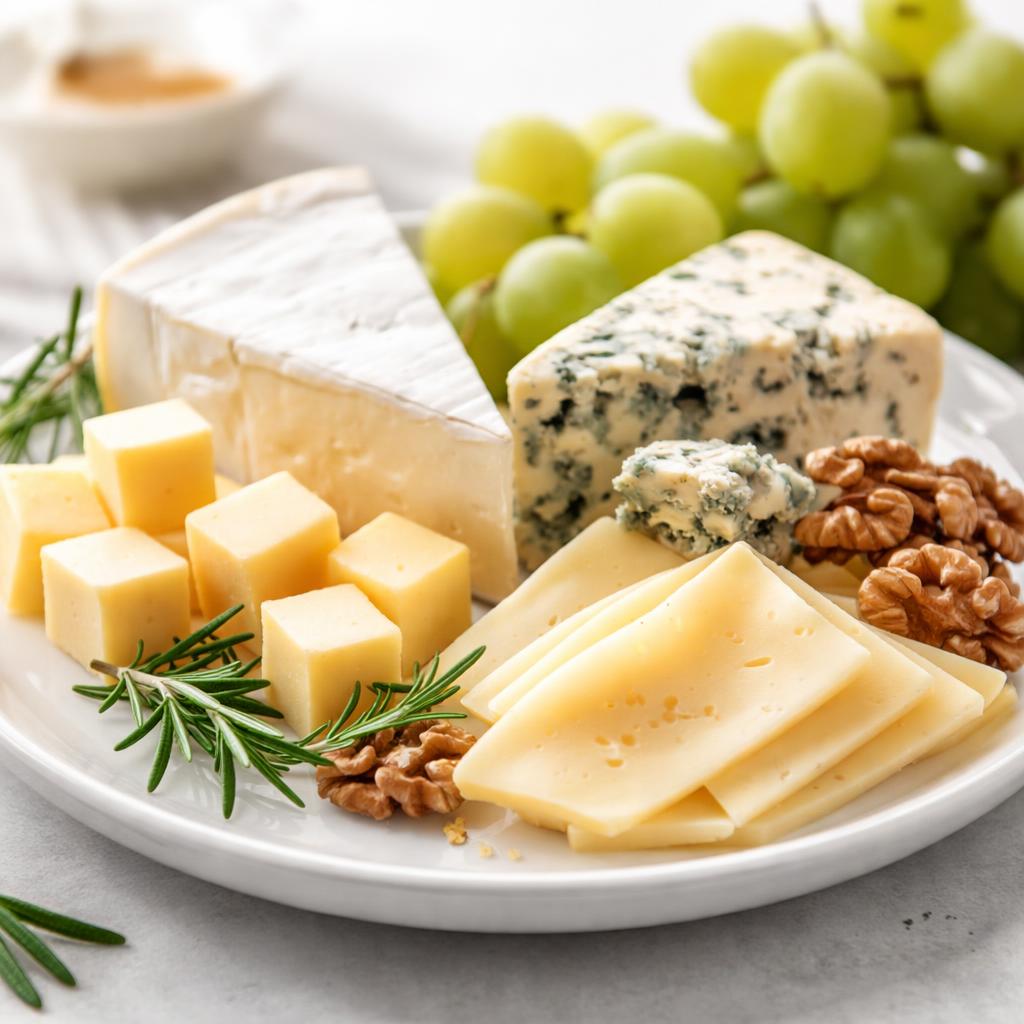
Cheese
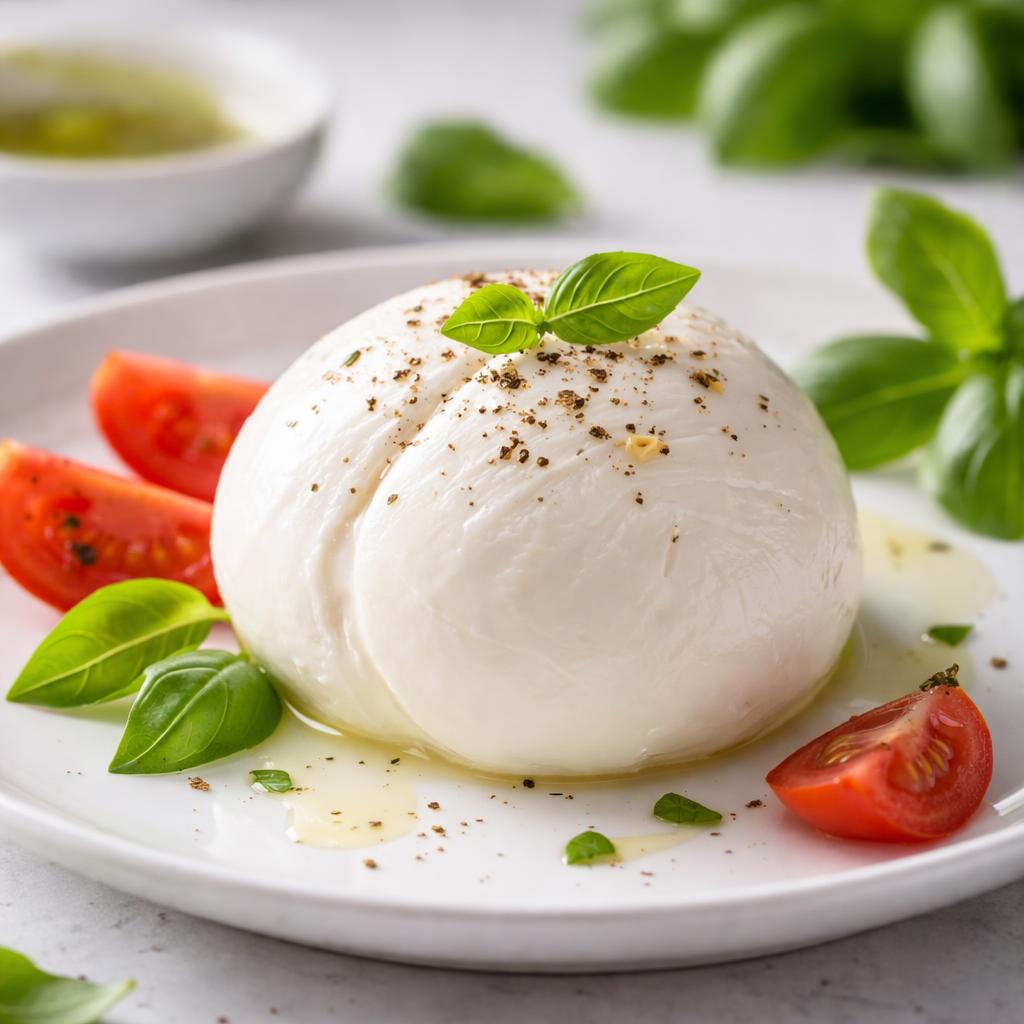
Mozzarella
🎯 Quick Verdict
Both cheese and mozzarella are great sources of protein and calcium but differ in fat and calorie content. Mozzarella is lower in calories and fat compared to regular cheese, making it a slightly healthier option for weight management. Cheese offers more variety in flavor and texture and provides similar nutrients but in higher calorie servings.

Smart Nutrition Tracking with SnapCalorie

📊 Nutritional Comparison
Macronutrients
| Nutrient | Food 1 | Food 2 | Winner |
|---|---|---|---|
| Calories | 402 kcal (per 100g) | 280 kcal (per 100g) | − |
| Protein | 25g | 25g | − |
| Carbs | 1.3g | 1g | − |
| Fat | 33g | 17g | − |
| Fiber | 0g | 0g | − |
Vitamins & Minerals
| Nutrient | Food 1 | Food 2 | Winner |
|---|---|---|---|
| Vitamin D | 0.6mcg | 0mcg | − |
| Calcium | 721mg | 505mg | − |
| Iron | 0.7mg | 0.2mg | − |
🏆 Category Winners
Protein
Both cheese and mozzarella contain the same amount of protein per 100g.
Fiber
Neither cheese nor mozzarella has any fiber.
Calories
Mozzarella contains approximately 30% fewer calories per serving.
Vitamins
Cheese is richer in calcium, iron, and vitamin D compared to mozzarella.
🥗 Diet Compatibility
Keto
Food 1: Compatible
Food 2: Compatible
Both cheese and mozzarella are high-fat, low-carb, suitable for keto diets.
Vegan
Food 1: Not Compatible
Food 2: Not Compatible
Neither is plant-based as they are derived from milk.
Gluten Free
Food 1: Compatible
Food 2: Compatible
Neither cheese nor mozzarella contains gluten.
Paleo
Food 1: Compatible
Food 2: Compatible
Both are minimally processed and allowed in paleo diets.
Low Carbohydrate
Food 1: Compatible
Food 2: Compatible
Both are extremely low-carb with less than 2g per serving.
💪 Health Benefits Comparison
Food 1 Benefits
- Rich in calcium for bone health
- Contains beneficial fatty acids
- Good source of protein for muscle maintenance
- Provides small amounts of vitamin D
Food 2 Benefits
- Lower in calories for weight management
- Rich in calcium to support bone strength
- Good source of protein for tissue repair
- Contains less saturated fat
✅ The Bottom Line
Mozzarella is the better choice for individuals focused on weight management due to its lower calorie and fat content. Cheese, on the other hand, offers more calcium and vitamin D, making it a strong option for bone health and overall nutritional density.
Choose Food 1 for: Bone health, flavor variety, rich creamy dishes
Choose Food 2 for: Weight management, healthier snacking, low-fat diets


