Cheese VS Gouda Cheese
A detailed nutritional comparison
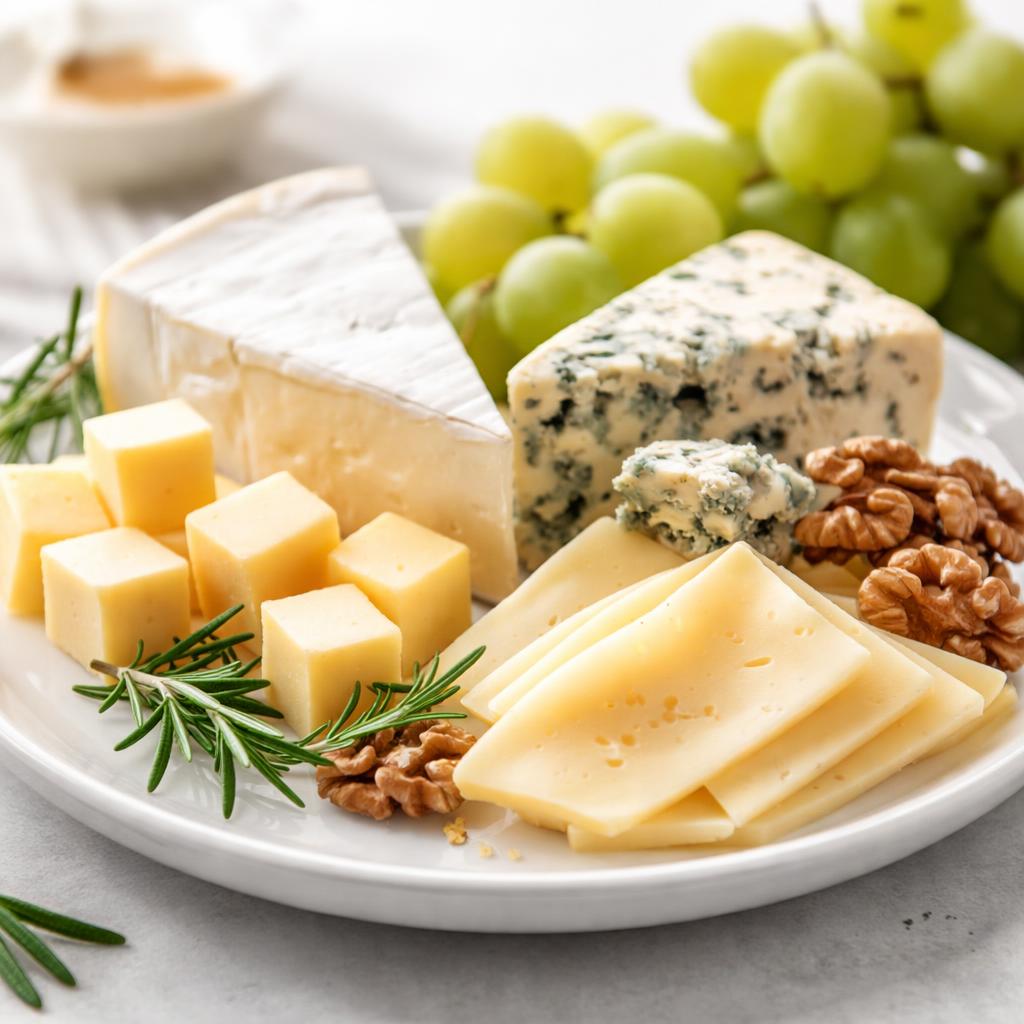
Cheese
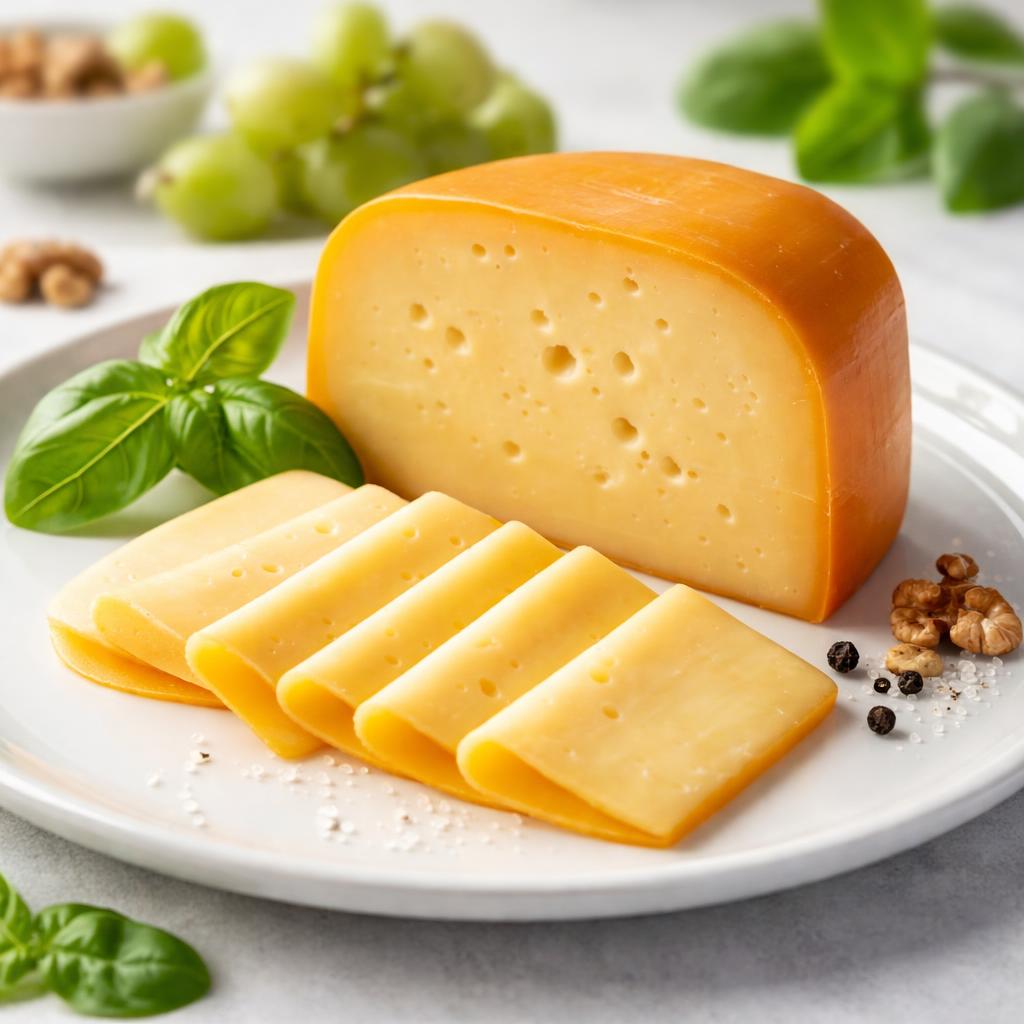
Gouda Cheese
🎯 Quick Verdict
Cheese and gouda cheese share many similarities, but gouda edges out with slightly higher protein and more calcium. Both options are calorie-dense and rich in fat, making them suitable for low-carb diets. Gouda also offers better vitamin content, making it ideal for boosting micronutrient intake.

Smart Nutrition Tracking with SnapCalorie

📊 Nutritional Comparison
Macronutrients
| Nutrient | Food 1 | Food 2 | Winner |
|---|---|---|---|
| Calories | 110 | 110 | − |
| Protein | 7g | 8g | − |
| Carbs | 0.5g | 1g | − |
| Fat | 9g | 8g | − |
| Fiber | 0g | 0g | − |
Vitamins & Minerals
| Nutrient | Food 1 | Food 2 | Winner |
|---|---|---|---|
| Vitamin D | 1mcg | 1.2mcg | − |
| Calcium | 200mg | 250mg | − |
| Vitamin B12 | 0.8mcg | 1.1mcg | − |
🏆 Category Winners
Protein
Gouda cheese has 14% more protein per serving compared to regular cheese.
Fiber
Neither cheese nor gouda cheese contains dietary fiber.
Calories
Both have identical caloric values per serving (110 calories).
Vitamins
Gouda provides more Vitamin D (+20%), calcium (+25%), and Vitamin B12 (+30%).
🥗 Diet Compatibility
Keto
Food 1: Compatible
Food 2: Compatible
Both cheeses are low-carb and high-fat, ideal for keto diets.
Vegan
Food 1: Not Compatible
Food 2: Not Compatible
Neither is plant-based.
Gluten Free
Food 1: Compatible
Food 2: Compatible
Neither contains gluten ingredients.
Paleo
Food 1: Not Compatible
Food 2: Not Compatible
Cheese and gouda are not generally considered paleo due to dairy content.
Low-Carb
Food 1: Compatible
Food 2: Compatible
Both cheeses are ultra-low in carbohydrates (0.5-1g per serving).
💪 Health Benefits Comparison
Food 1 Benefits
Food 2 Benefits
✅ The Bottom Line
Choose gouda cheese if you're seeking higher protein, calcium, and Vitamin B12 for nutrient density. Regular cheese is still a great option offering slightly lower fat and carbs, ideal for maintaining a balanced low-carb meal. Both cheeses are keto-friendly and versatile for cooking or snacking.
Choose Food 1 for: Balanced low-carb meals, general calcium intake, snacking
Choose Food 2 for: Muscle building, nutrient-rich diets, boosting Vitamin D and B12 levels


