Cheese VS Flatbread
A detailed nutritional comparison
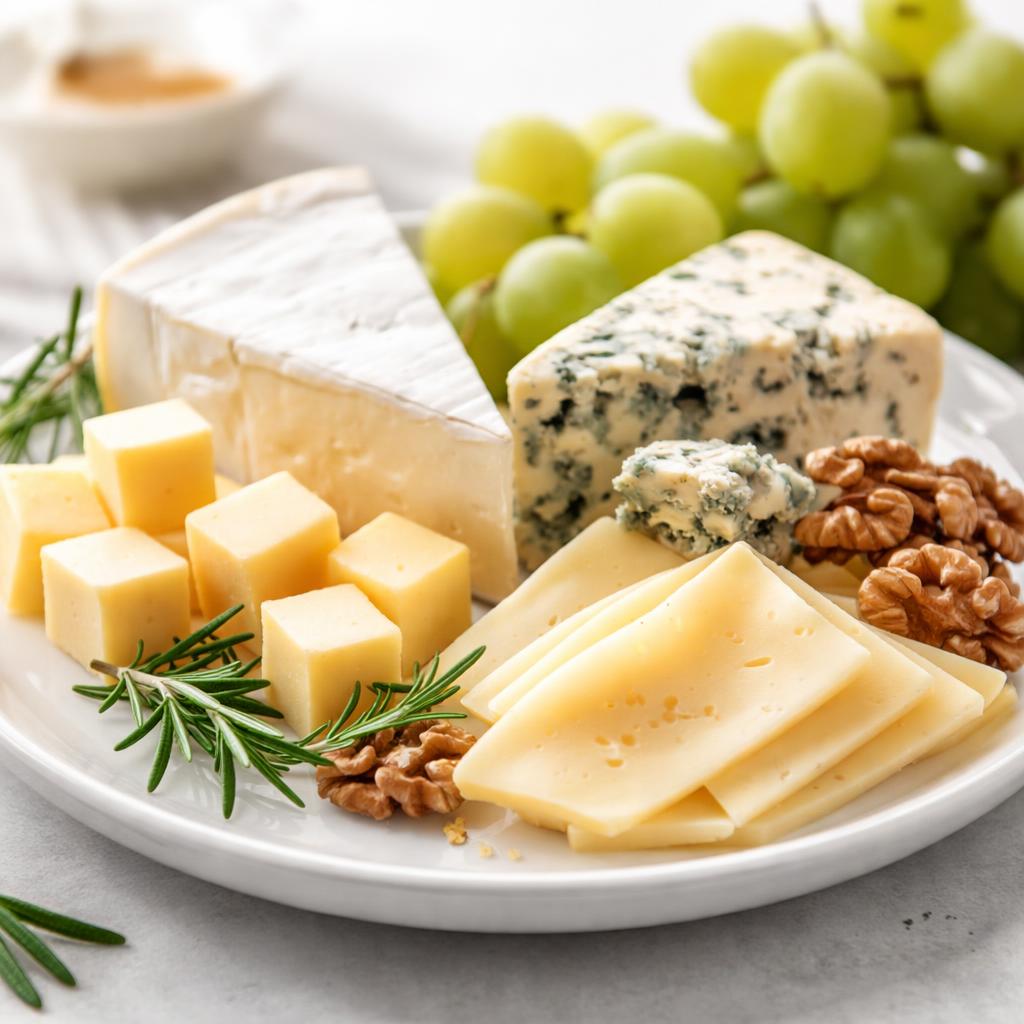
Cheese
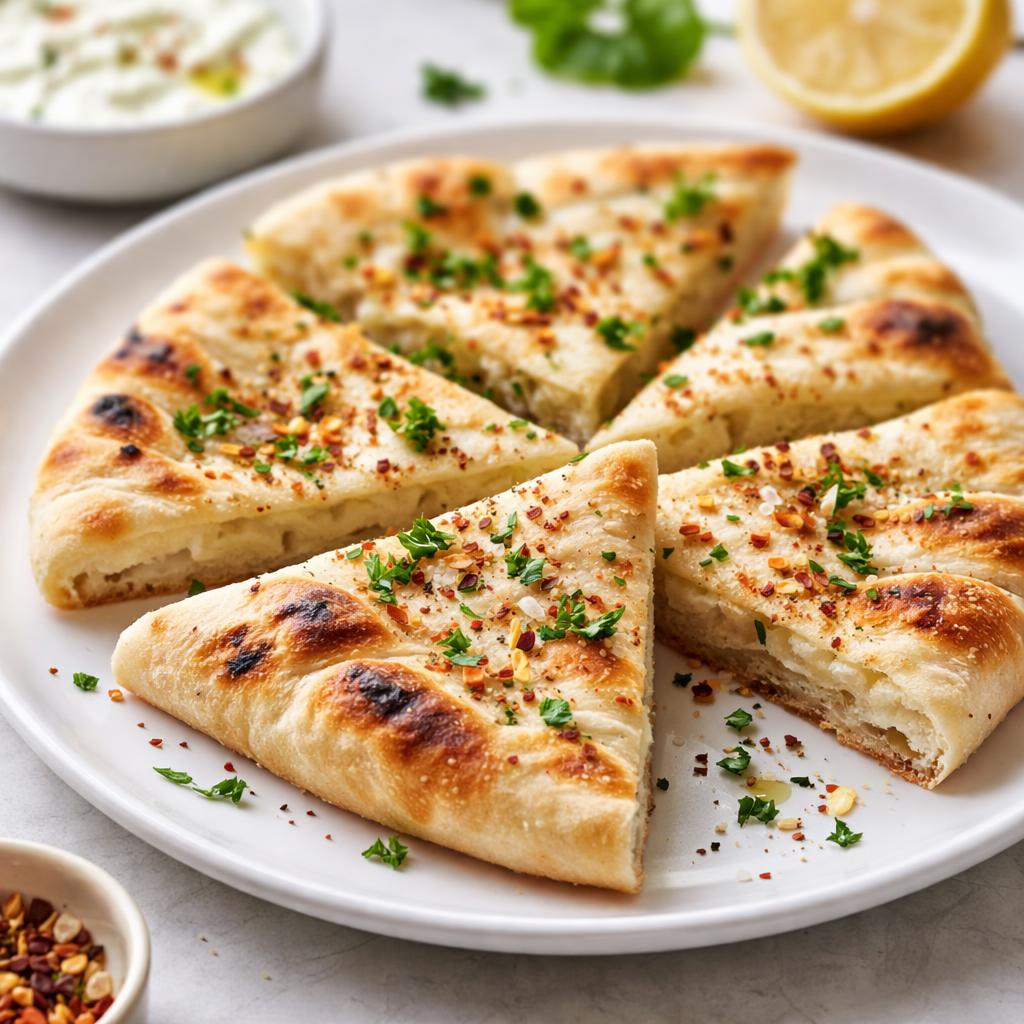
Flatbread
🎯 Quick Verdict
Cheese provides a high amount of protein and healthy fats with fewer calories, making it ideal for low-carb, high-protein diets. Flatbread contributes more dietary fiber and carbohydrates, making it suitable for sustained energy needs. The choice depends on specific dietary goals such as weight loss versus energy for active lifestyles.

Smart Nutrition Tracking with SnapCalorie

📊 Nutritional Comparison
Macronutrients
| Nutrient | Food 1 | Food 2 | Winner |
|---|---|---|---|
| Calories | 113 per 1oz | 150 per 50g | ✓ |
| Protein | 7g per 1oz | 4g per 50g | ✓ |
| Carbs | 1g per 1oz | 25g per 50g | ✓ |
| Fat | 9g per 1oz | 2g per 50g | ✓ |
| Fiber | 0g per 1oz | 2g per 50g | ✓ |
Vitamins & Minerals
| Nutrient | Food 1 | Food 2 | Winner |
|---|---|---|---|
| Vitamin D | 0.6mcg (24 IU) per 1oz | 0mcg | ✓ |
| Calcium | 200mg per 1oz | 50mg per 50g | ✓ |
| Iron | 0.2mg per 1oz | 1.2mg per 50g | ✓ |
🏆 Category Winners
Protein
Cheese has nearly twice as much protein per serving compared to flatbread.
Fiber
Flatbread offers dietary fiber while cheese contains none.
Calories
Cheese has fewer calories per serving.
Vitamins
Cheese is rich in calcium and vitamin D, key nutrients for bone health.
🥗 Diet Compatibility
Keto
Food 1: Compatible
Food 2: Not Compatible
Cheese is low in carbs, making it ideal for keto diets.
Vegan
Food 1: Not Compatible
Food 2: Compatible
Cheese is derived from milk, flatbread is plant-based.
Gluten Free
Food 1: Compatible
Food 2: Not Compatible
Flatbread typically contains gluten unless specified gluten-free.
Paleo
Food 1: Not Compatible
Food 2: Partially Compatible
Cheese is excluded in strict paleo diets, flatbread may be acceptable if made with non-grain flours.
Low-Carb
Food 1: Compatible
Food 2: Not Compatible
Cheese is very low in carbs, flatbread is high in carbohydrates.
💪 Health Benefits Comparison
Food 1 Benefits
- Excellent source of protein for muscle repair and maintenance
- Rich in calcium for bone strength
- Contains healthy fats that support hormones and energy levels
- Provides small amounts of Vitamin D for bone health and immunity
Food 2 Benefits
- Provides dietary fiber for improved digestion
- Rich in complex carbohydrates for sustained energy release
- Contains B vitamins that support metabolism and energy production
- Provides iron for better oxygen transportation in blood
✅ The Bottom Line
Cheese is better suited for low-carb, high-protein diets or post-workout recovery due to its rich protein and fat profile. Flatbread is a good option for individuals needing sustained energy and fiber, such as athletes or those on high-carb diets.
Choose Food 1 for: Weight loss, keto diets, muscle recovery
Choose Food 2 for: Energy needs, vegan diets, digestive health


