Cheese VS Figs
A detailed nutritional comparison
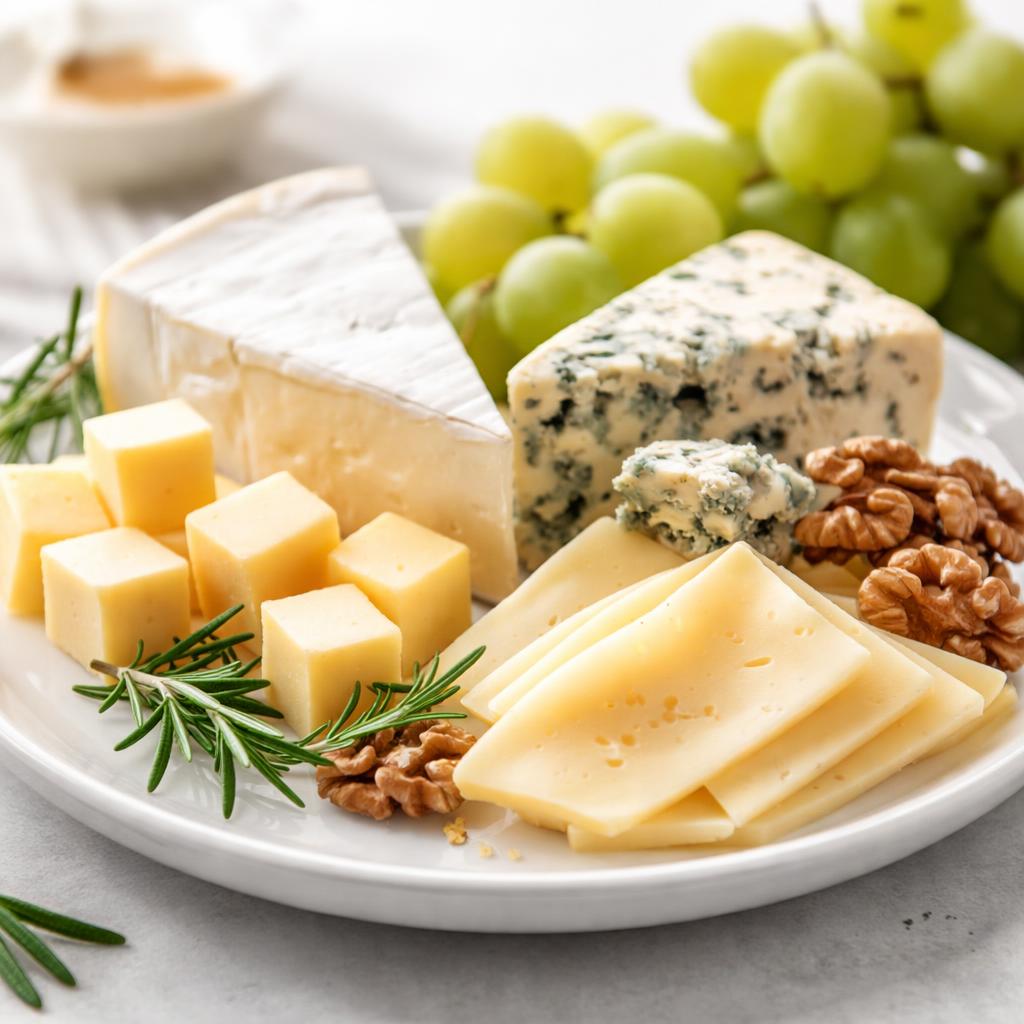
Cheese
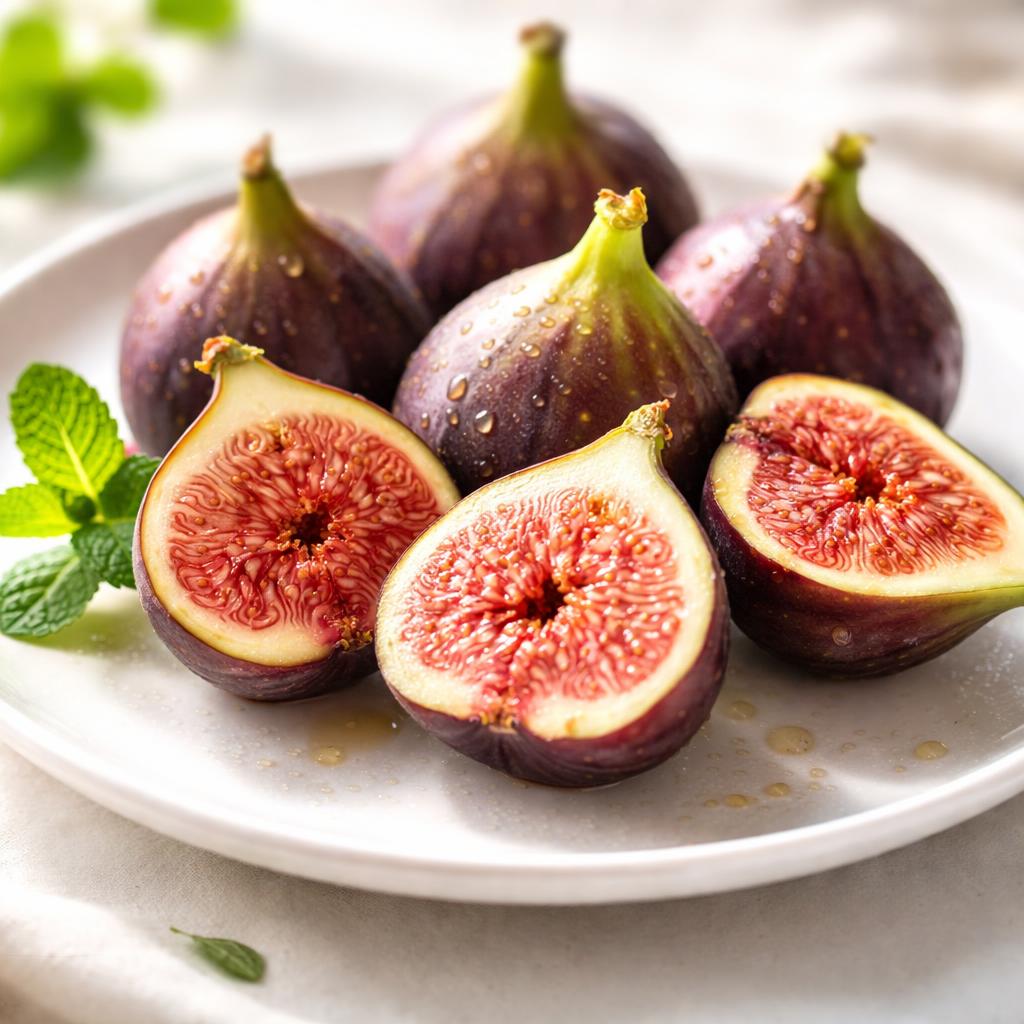
Figs
🎯 Quick Verdict
Cheese is richer in protein, calcium, and vitamin D while providing fewer calories per serving compared to figs. Figs are higher in fiber and natural sugars and a better source of antioxidants. Cheese is excellent for muscle health and post-workout recovery, whereas figs are ideal for digestion and sustained energy due to their fiber and carbohydrate content.

Smart Nutrition Tracking with SnapCalorie

📊 Nutritional Comparison
Macronutrients
| Nutrient | Food 1 | Food 2 | Winner |
|---|---|---|---|
| Calories | 113 (per 1 oz) | 47 (per 1 medium fig) | ✓ |
| Protein | 6g | 0.5g | ✓ |
| Carbs | 1g | 12g | ✓ |
| Fat | 9g | 0.2g | ✓ |
| Fiber | 0g | 1.4g | ✓ |
Vitamins & Minerals
| Nutrient | Food 1 | Food 2 | Winner |
|---|---|---|---|
| Vitamin D | 0.2mcg | 0mcg | ✓ |
| Calcium | 200mg | 18mg | ✓ |
| Iron | 0.1mg | 0.2mg | ✓ |
🏆 Category Winners
Protein
Cheese is a complete protein source with 6g per serving, compared to 0.5g in figs.
Fiber
Figs contain 1.4g of fiber per serving, whereas cheese has none.
Calories
Figs are lower calorie with 47 calories per fig, compared to 113 calories per 1 oz of cheese.
🥗 Diet Compatibility
Keto
Food 1: Compatible
Food 2: Not Compatible
Cheese is low-carb and high-fat, fitting keto guidelines, while figs are carb-dense.
Vegan
Food 1: Not Compatible
Food 2: Compatible
Figs are entirely plant-based, but cheese is an animal product.
Gluten Free
Food 1: Compatible
Food 2: Compatible
Both are naturally gluten-free.
Paleo
Food 1: Not Compatible
Food 2: Compatible
Figs align with paleo diets, but cheese is excluded due to dairy content.
Low-Carb
Food 1: Compatible
Food 2: Not Compatible
Cheese has minimal carbs, whereas figs are higher in natural sugars.
💪 Health Benefits Comparison
Food 1 Benefits
- Rich in high-quality protein for muscle repair and growth
- Excellent calcium source for bone health
- Contains vitamin D for immune and bone support
Food 2 Benefits
- High in fiber for improved digestion
- Rich in natural sugars for a quick energy boost
- Provides antioxidants for fighting free radicals
✅ The Bottom Line
Cheese is ideal for individuals seeking protein, calcium, and sustainable energy, making it perfect for muscle recovery, low-carb diets, or keto plans. Figs, with their natural sugars, fiber, and antioxidants, are a smart choice for those prioritizing digestion, quick energy, and plant-based diets. Choose based on your dietary goals.
Choose Food 1 for: Muscle health, keto diets, bone strength
Choose Food 2 for: Plant-based diets, digestion, sustained energy


