Cheese VS Cheddar
A detailed nutritional comparison
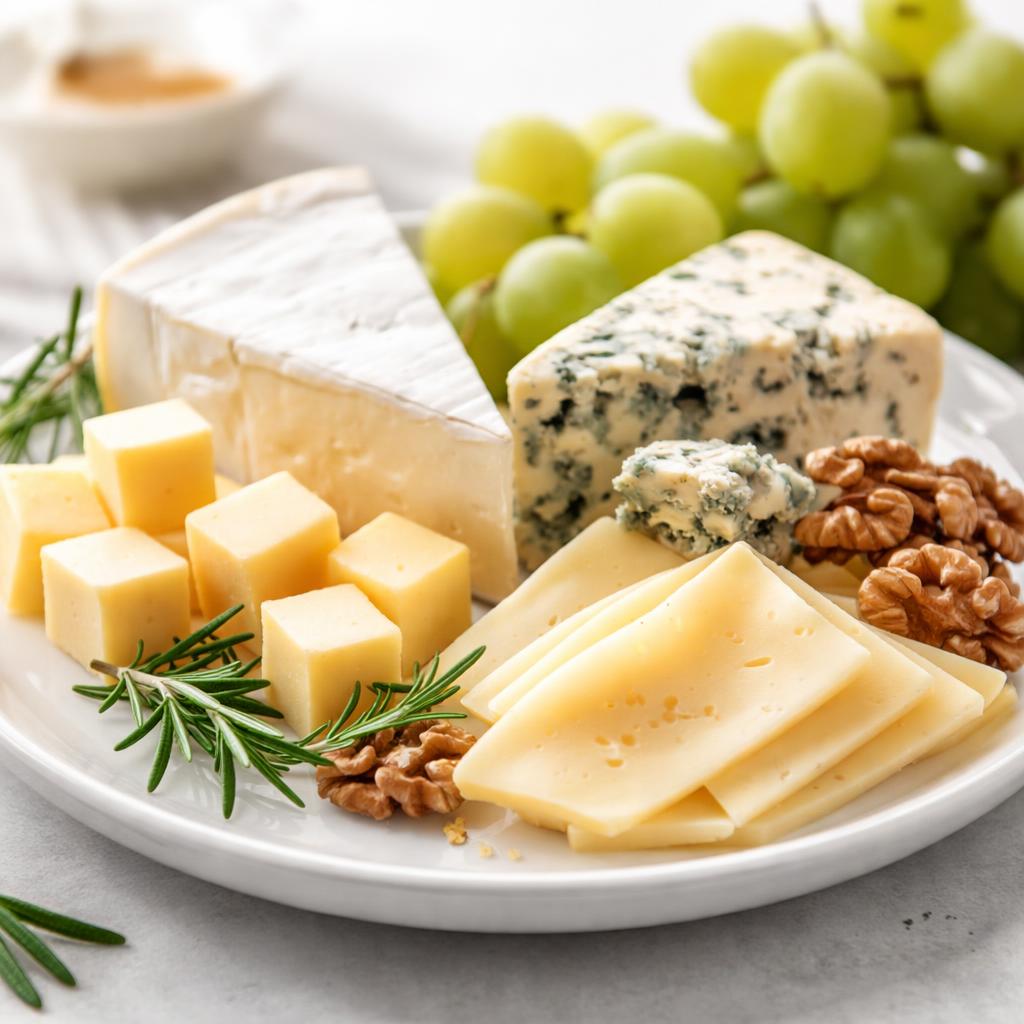
Cheese
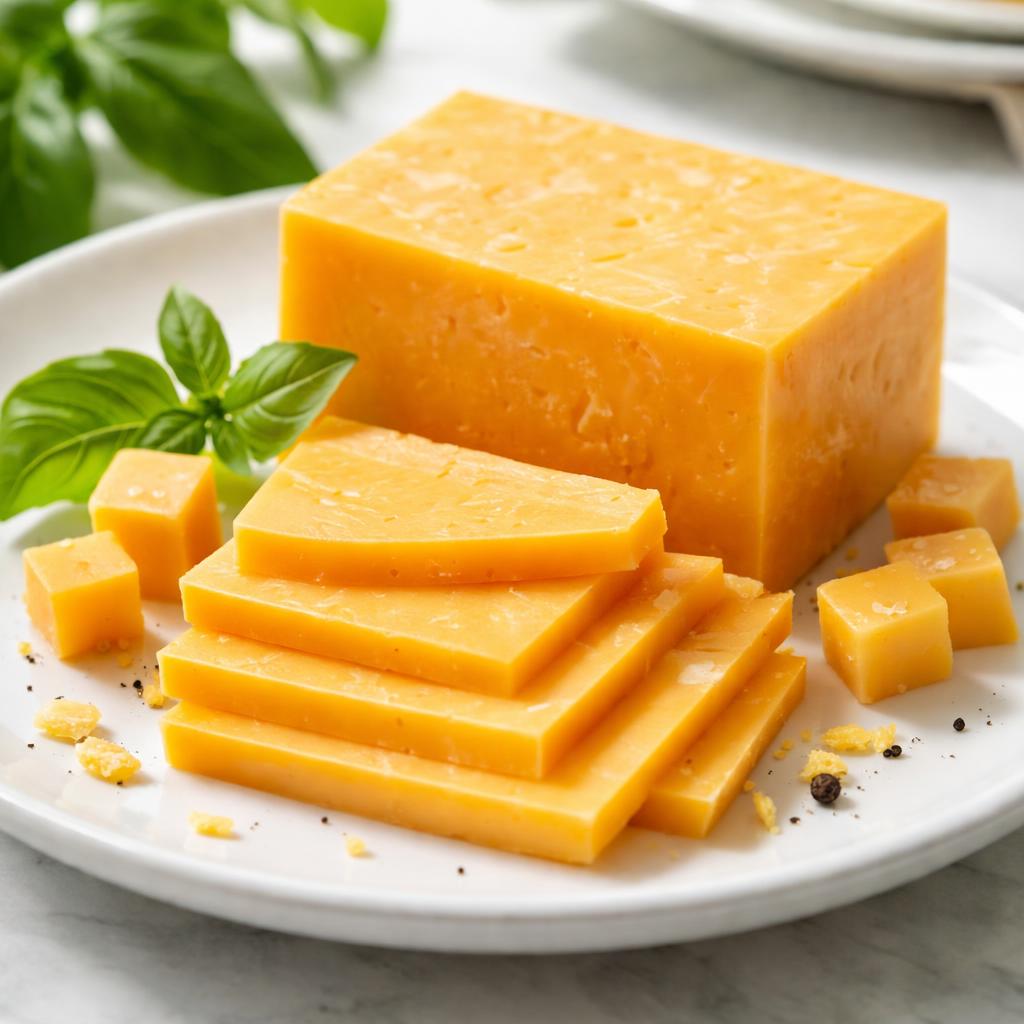
Cheddar
🎯 Quick Verdict
Cheddar and general cheese varieties are nutritionally similar, but cheddar typically has a slightly higher protein and calcium content per serving. Cheese generally offers lower calories overall, making it favorable for calorie-conscious diets. Both options are rich in fats and should be consumed in moderation, particularly on heart-healthy diets.

Smart Nutrition Tracking with SnapCalorie

📊 Nutritional Comparison
Macronutrients
| Nutrient | Food 1 | Food 2 | Winner |
|---|---|---|---|
| Calories | 100 | 113 | − |
| Protein | 7g | 7.1g | − |
| Carbs | 1g | 0.5g | − |
| Fat | 8g | 9g | − |
| Fiber | 0g | 0g | − |
Vitamins & Minerals
| Nutrient | Food 1 | Food 2 | Winner |
|---|---|---|---|
| Vitamin A | 200 IU | 210 IU | − |
| Vitamin D | 0.2mcg | 0.6mcg | − |
| Calcium | 200mg | 202mg | − |
| Iron | 0mg | 0mg | − |
🏆 Category Winners
Protein
Cheddar has slightly more protein per gram compared to general cheese varieties.
Fiber
Neither cheese nor cheddar has any dietary fiber.
Calories
Cheese is slightly lower in calories, which may help with weight management.
Vitamins
Cheddar is marginally superior in vitamin D, calcium, and vitamin A content.
🥗 Diet Compatibility
Keto
Food 1: Unknown
Food 2: Unknown
Both are low in carbs and high in fats, making them great for keto.
Vegan
Food 1: Unknown
Food 2: Unknown
Both are made from milk and are not plant-based.
Gluten Free
Food 1: Unknown
Food 2: Unknown
Neither cheese nor cheddar contains gluten.
Paleo
Food 1: Unknown
Food 2: Unknown
Cheese and cheddar are dairy-based and excluded from strict paleo diets.
Low-Carb
Food 1: Unknown
Food 2: Unknown
Both contain minimal carbs, ideal for low-carb diets.
💪 Health Benefits Comparison
Food 1 Benefits
Food 2 Benefits
✅ The Bottom Line
Cheese and cheddar are very similar nutritionally, but cheddar edges ahead with slightly more protein and vitamins. Cheese is better for calorie-conscious diets. Both are excellent sources of calcium and protein but should be consumed in moderation due to their high fat content.


