Cheese VS Artichoke
A detailed nutritional comparison
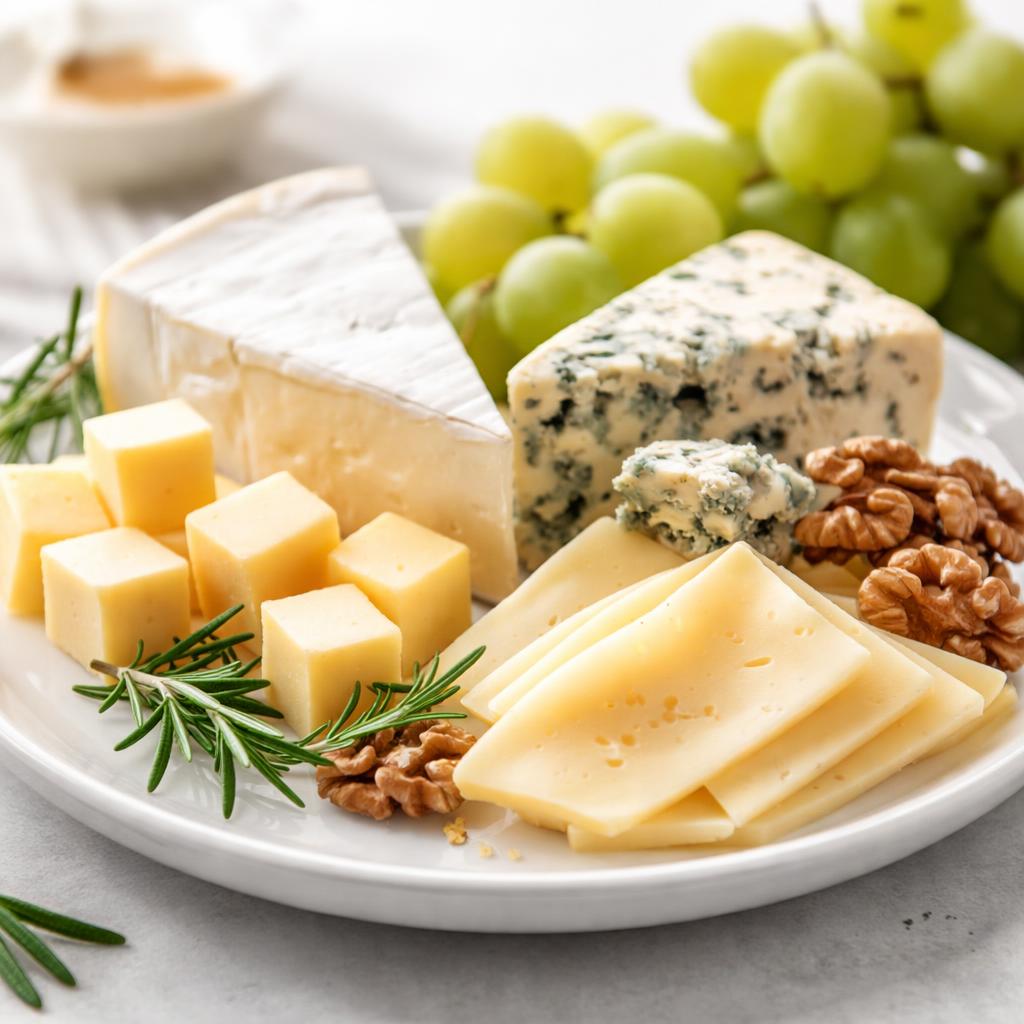
Cheese
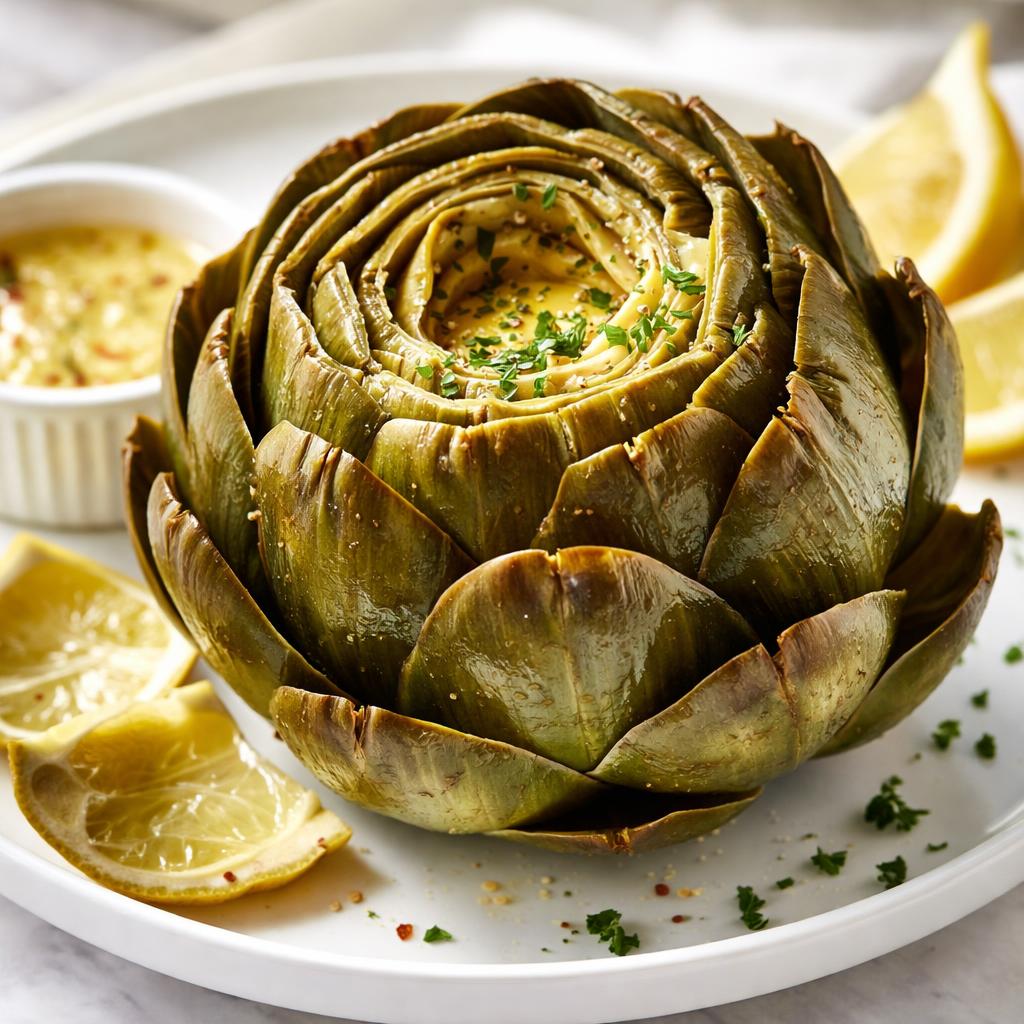
Artichoke
🎯 Quick Verdict
Cheese is higher in protein, fat, and calorie content, making it ideal for muscle maintenance and keto-friendly diets. Artichokes, on the other hand, excel in fiber content and overall nutrient density, making them better for digestion and heart health. Each food has distinct uses depending on dietary goals.

Smart Nutrition Tracking with SnapCalorie

📊 Nutritional Comparison
Macronutrients
| Nutrient | Food 1 | Food 2 | Winner |
|---|---|---|---|
| Calories | 402 per 100g | 47 per 100g | ✓ |
| Protein | 25g per 100g | 3.3g per 100g | ✓ |
| Carbs | 1.3g per 100g | 10.5g per 100g | ✓ |
| Fat | 33g per 100g | 0.2g per 100g | ✓ |
| Fiber | 0g per 100g | 5.4g per 100g | ✓ |
Vitamins & Minerals
| Nutrient | Food 1 | Food 2 | Winner |
|---|---|---|---|
| Vitamin D | 0.6mcg per 100g | 0mcg per 100g | ✓ |
| Vitamin C | 0mg per 100g | 11.7mg per 100g | ✓ |
| Iron | 0.2mg per 100g | 1.3mg per 100g | ✓ |
| Calcium | 721mg per 100g | 44mg per 100g | ✓ |
🏆 Category Winners
Protein
Cheese has nearly 8 times more protein per serving.
Fiber
Artichokes have a significant amount of fiber, while cheese contains none.
Calories
Artichokes are extremely low-calorie compared to cheese.
Vitamins
Artichokes offer key vitamins like Vitamin C and Iron that cheese is lacking.
🥗 Diet Compatibility
Keto
Food 1: Compatible
Food 2: Compatible
Cheese is high-fat and low-carb, while artichokes are moderate in carbs but generally safe for keto in small portions.
Vegan
Food 1: Not Compatible
Food 2: Compatible
Cheese is dairy, making it unsuitable for vegans, whereas artichokes are plant-based.
Gluten Free
Food 1: Compatible
Food 2: Compatible
Both foods are naturally gluten-free.
Paleo
Food 1: Not Compatible
Food 2: Compatible
Cheese is a processed dairy product, which is excluded from strict paleo diets.
Low-Carb
Food 1: Compatible
Food 2: Compatible
Cheese is low in carbs, and artichokes have moderate carb levels appropriate for low-carb diets when consumed in moderation.
💪 Health Benefits Comparison
Food 1 Benefits
- Excellent source of protein for muscle building
- Rich in calcium for bone strength
- Provides Vitamin D for immune and bone health
Food 2 Benefits
- High in fiber for digestion and gut health
- Rich in antioxidants for reducing oxidative stress
- Contains Vitamin C for immune support
✅ The Bottom Line
Both cheese and artichokes are nutrient-rich but serve very different purposes. Choose cheese for protein-rich meals or low-carb diets, especially post-workout or when focusing on muscle maintenance. Opt for artichokes for nutrient density, improving digestion, and cutting calories.
Choose Food 1 for: Keto diets, weight loss (in moderation), building muscle, bone health
Choose Food 2 for: Digestive health, heart health, low-calorie diets, vegan diets


