Buttered Bread VS Rice Crackers
A detailed nutritional comparison
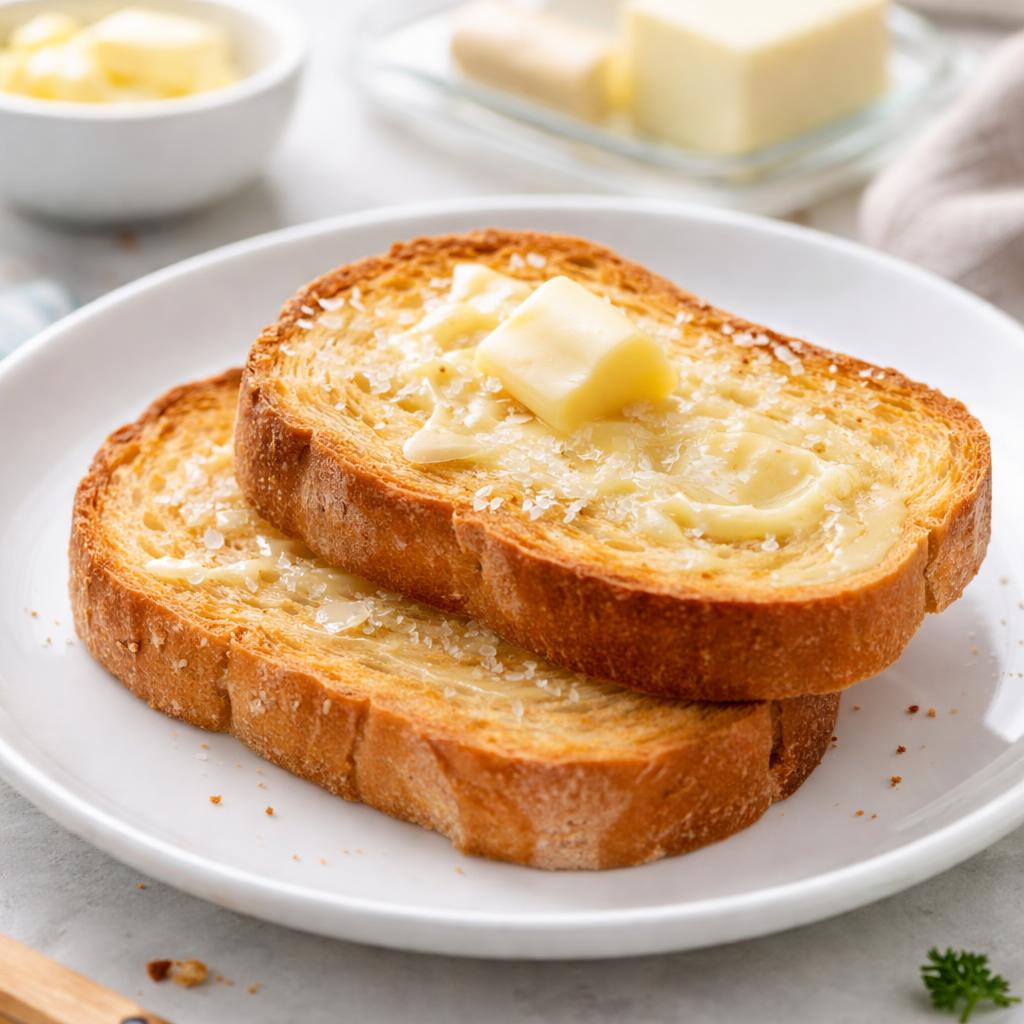
Buttered Bread
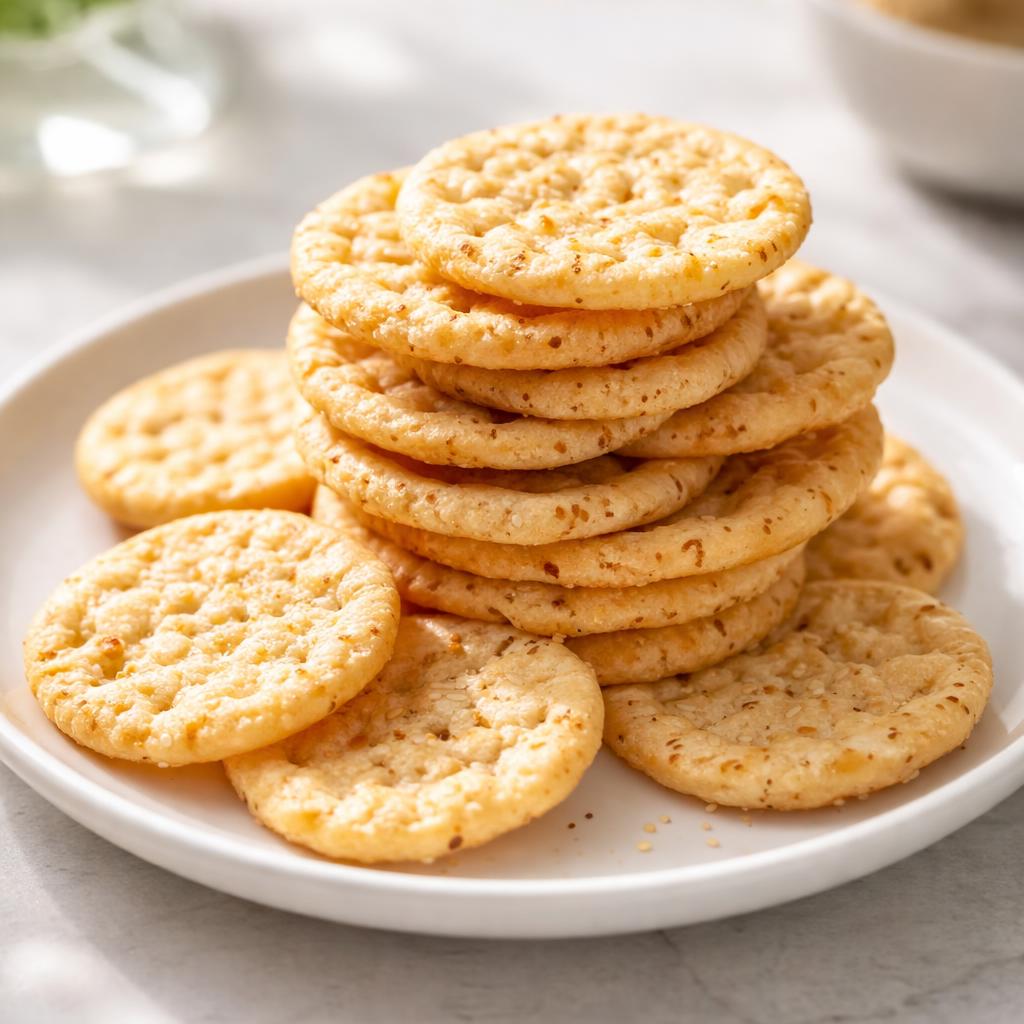
Rice Crackers
🎯 Quick Verdict
Buttered bread has more calories, fat, and carbs, while rice crackers are lower in calories and provide more fiber per serving. Buttered bread is better for energy-packed meals, whereas rice crackers are a lighter option suited for snacking or calorie-conscious diets.

Smart Nutrition Tracking with SnapCalorie

📊 Nutritional Comparison
Macronutrients
| Nutrient | Food 1 | Food 2 | Winner |
|---|---|---|---|
| Calories | 170 | 60 | ✓ |
| Protein | 3g | 3g | − |
| Carbs | 18g | 13g | ✓ |
| Fat | 9g | 0g | ✓ |
| Fiber | 1g | 2g | ✓ |
Vitamins & Minerals
| Nutrient | Food 1 | Food 2 | Winner |
|---|---|---|---|
| Vitamin A | 500IU | 0IU | ✓ |
| Calcium | 20mg | 8mg | ✓ |
| Iron | 1mg | 0.3mg | ✓ |
🏆 Category Winners
Protein
Both foods contain equal protein (3g per serving).
Fiber
Rice crackers have twice as much fiber as buttered bread (2g vs 1g).
Calories
Rice crackers have significantly fewer calories per serving (60 vs 170).
Vitamins
Buttered bread provides essential vitamin A and slightly more calcium and iron.
🥗 Diet Compatibility
Keto
Food 1: Not Compatible
Food 2: Compatible
Rice crackers are lower in carbs, suitable for keto in moderation.
Vegan
Food 1: Not Compatible
Food 2: Compatible
Butter contains dairy, while rice crackers are fully plant-based.
Gluten Free
Food 1: Not Compatible
Food 2: Compatible
Rice crackers are widely available in gluten-free versions; buttered bread contains wheat.
Paleo
Food 1: Not Compatible
Food 2: Compatible
Rice crackers fit paleo diets, but bread and butter do not.
Low Carb
Food 1: Not Compatible
Food 2: Compatible
Rice crackers are lower in carbs (13g vs 18g).
💪 Health Benefits Comparison
Food 1 Benefits
- Energy-boosting due to higher calories and carbs
- Rich in vitamin A for eye health
- Contains iron for improved oxygen transport in blood
Food 2 Benefits
- Low in calories for weight management
- High in fiber for better digestion and satiety
- Gluten-free, suitable for sensitive diets
✅ The Bottom Line
Choose buttered bread for a more calorie-dense meal or higher energy needs, especially if you're not gluten-free or vegan. Rice crackers are better for lighter snacking, weight management, and specific diets like gluten-free, vegan, or paleo.
Choose Food 1 for: Energy-dense breakfasts, traditional diets, vitamin A boosts
Choose Food 2 for: Low-calorie snacking, fiber-rich snacks, specialized diets


