Brown Rice VS Keto Bread
A detailed nutritional comparison
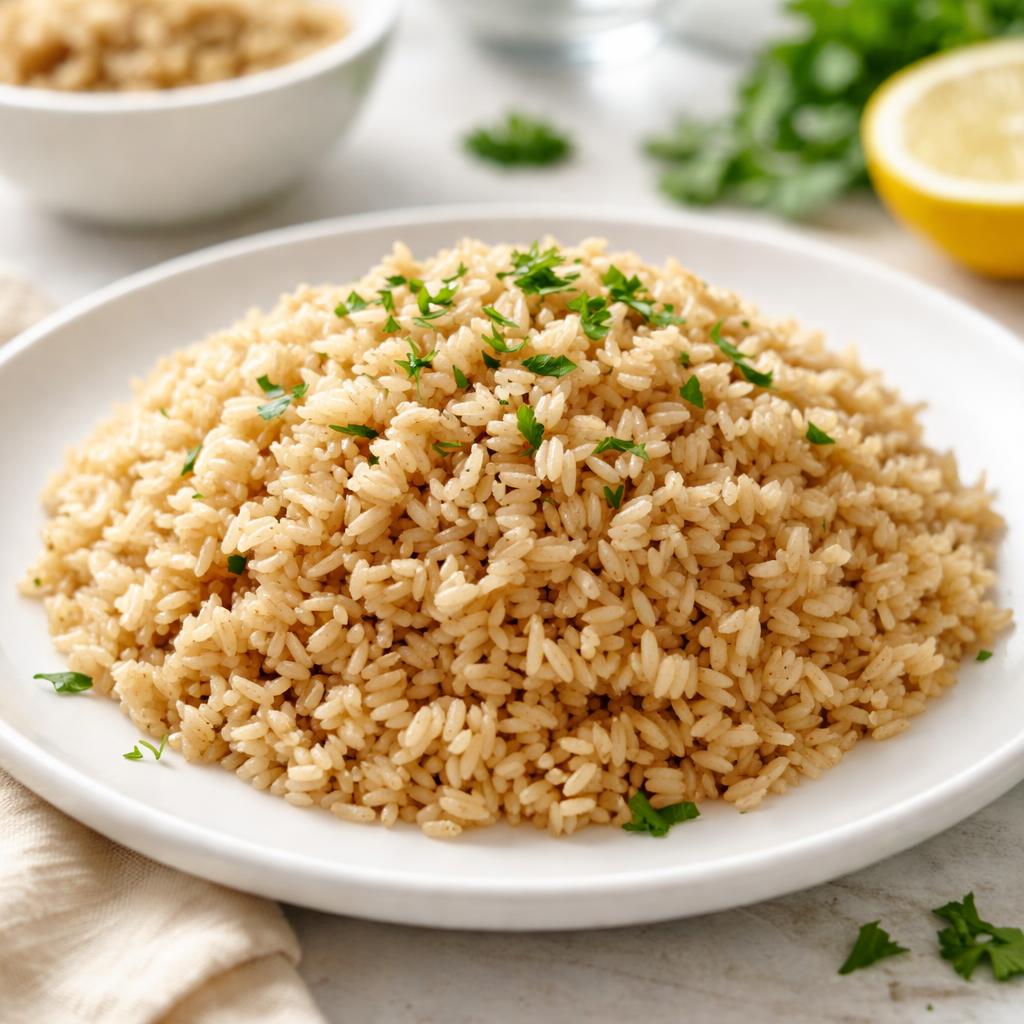
Brown Rice
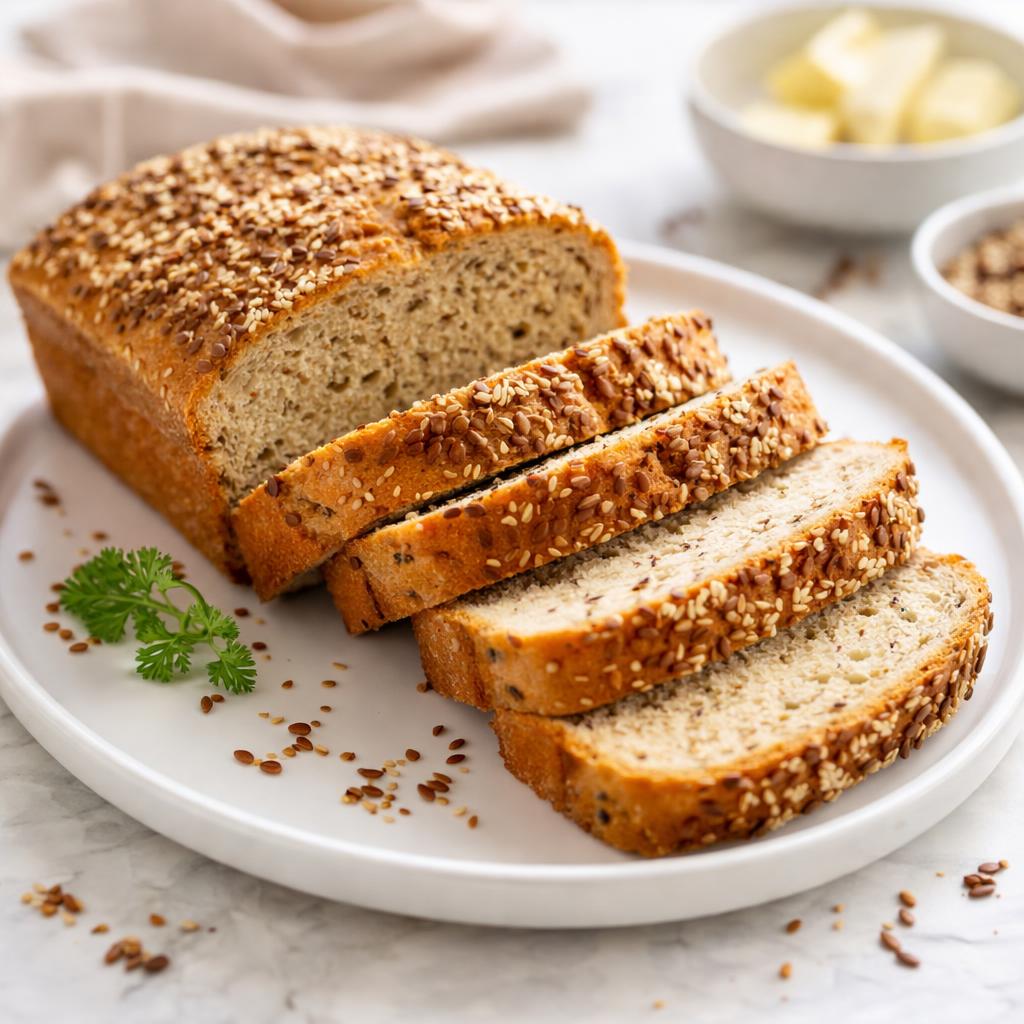
Keto Bread
🎯 Quick Verdict
Brown rice provides more natural carbohydrates and is ideal for energy and endurance, while keto bread is lower in calories and carbs, making it great for weight loss and ketogenic diets. Keto bread also has more protein and fiber per serving, enhancing satiety and digestive health compared to brown rice.

Smart Nutrition Tracking with SnapCalorie

📊 Nutritional Comparison
Macronutrients
| Nutrient | Food 1 | Food 2 | Winner |
|---|---|---|---|
| Calories | 215 | 90 | ✓ |
| Protein | 5g | 10g | ✓ |
| Carbs | 45g | 3g | ✓ |
| Fat | 1.8g | 2g | ✓ |
| Fiber | 3.5g | 7g | ✓ |
Vitamins & Minerals
| Nutrient | Food 1 | Food 2 | Winner |
|---|---|---|---|
| Vitamin D | 0mcg | 1mcg | ✓ |
| Calcium | 10mg | 100mg | ✓ |
| Iron | 0.6mg | 2mg | ✓ |
🏆 Category Winners
Protein
Keto bread provides twice as much protein as brown rice (10g vs 5g).
Fiber
Keto bread delivers 100% more fiber than brown rice (7g vs 3.5g per serving).
Calories
Keto bread has less than half the calories per serving compared to brown rice (90 vs 215 calories).
🥗 Diet Compatibility
Keto
Food 1: Not Compatible
Food 2: Compatible
Brown rice is high-carb, while keto bread is designed for low-carb diets.
Vegan
Food 1: Compatible
Food 2: Compatible
Both foods are plant-derived and suitable for vegans.
Gluten Free
Food 1: Compatible
Food 2: Depends on the brand
Brown rice is naturally gluten-free, while some keto breads may contain gluten (check labels).
Paleo
Food 1: Compatible
Food 2: Not Compatible
Brown rice fits paleo diets, but keto bread often includes non-paleo ingredients like dairy or processed fibers.
Low-Carb
Food 1: Not Compatible
Food 2: Compatible
Keto bread's carbohydrate content (3g per serving) is far lower than brown rice's (45g).
💪 Health Benefits Comparison
Food 1 Benefits
- Rich source of complex carbohydrates for sustained energy
- Provides essential minerals like magnesium and selenium
- High in antioxidants to help combat oxidative stress
- Supports gut health with moderate fiber content
Food 2 Benefits
- Provides high protein for muscle repair and maintenance
- Rich in fiber for digestive health and prolonged satiety
- Low in calories, supporting weight loss efforts
- Potentially fortified with calcium and vitamin D for bone health
✅ The Bottom Line
Brown rice is a better choice for individuals seeking natural sources of energy or adhering to paleo diets. Keto bread is optimal for those on low-carb or ketogenic diets, trying to increase protein intake, or striving for fewer calorie consumption. Each food serves a distinct dietary purpose.
Choose Food 1 for: Endurance athletes, paleo diet followers, whole-food enthusiasts
Choose Food 2 for: Weight loss, low-carb diets, high-protein lifestyles


