Brown Rice VS Breaded Pork Cutlet
A detailed nutritional comparison
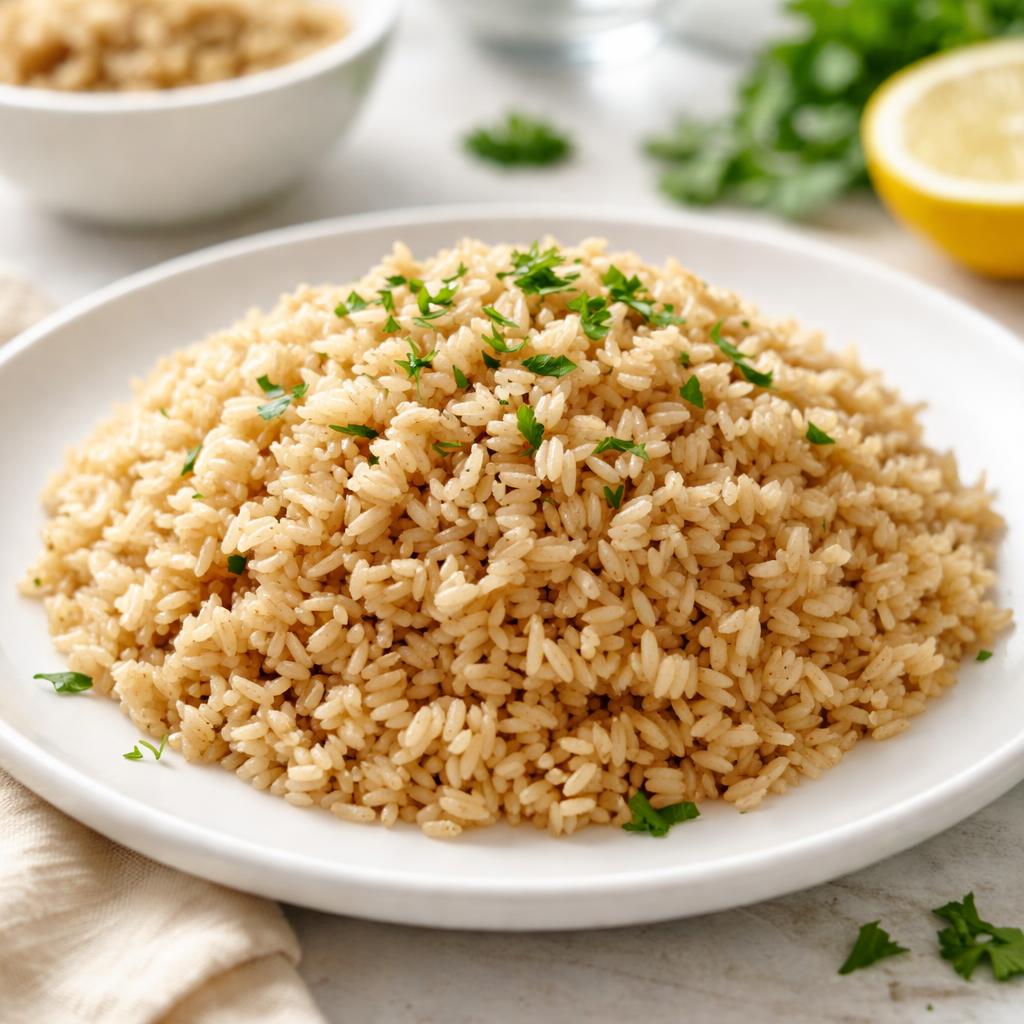
Brown Rice
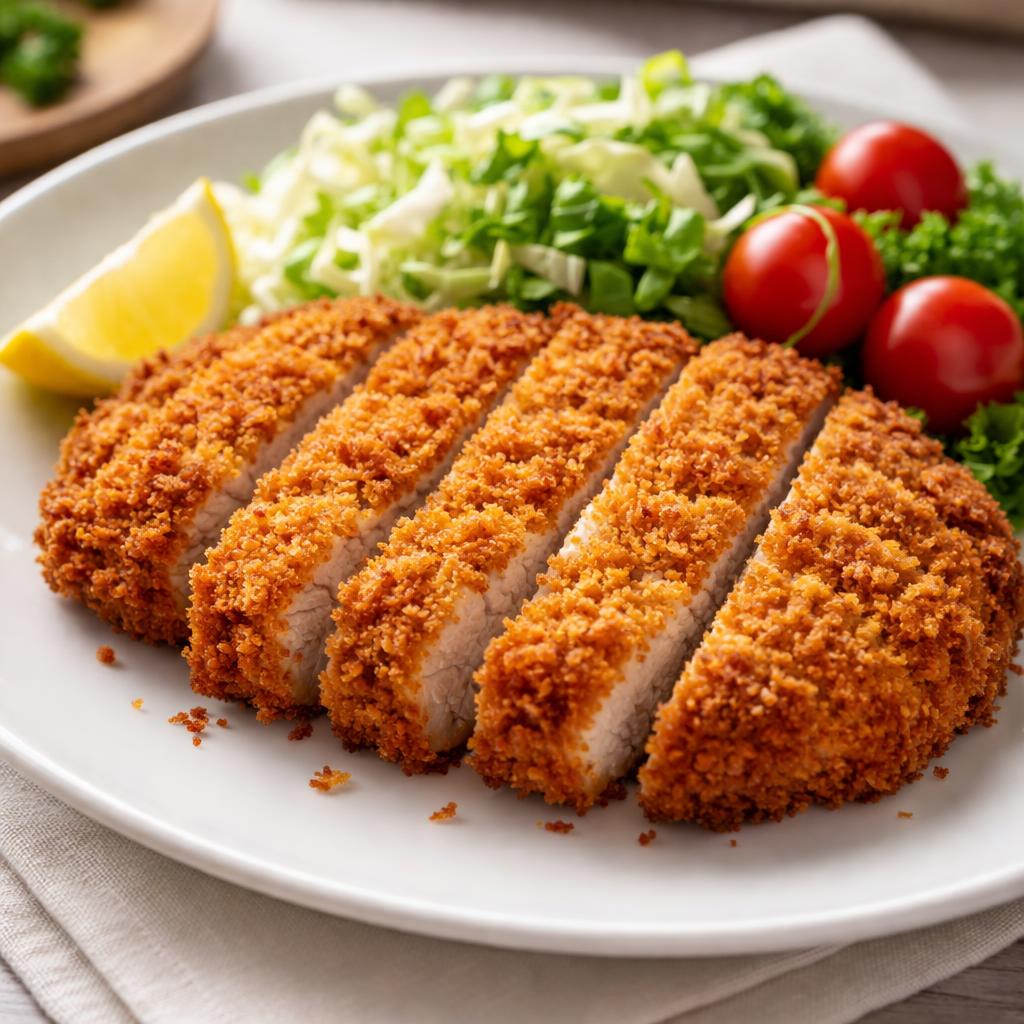
Breaded Pork Cutlet
🎯 Quick Verdict
Brown rice and breaded pork cutlet offer distinct nutritional profiles. Brown rice is lower in calories, higher in fiber, and ideal for plant-based diets, while breaded pork cutlet provides significantly more protein and healthy fats but is higher in calories. Brown rice suits a vegan, gluten-free diet, whereas breaded pork cutlet is better for protein-focused diets that aren't vegetarian.

Smart Nutrition Tracking with SnapCalorie

📊 Nutritional Comparison
Macronutrients
| Nutrient | Food 1 | Food 2 | Winner |
|---|---|---|---|
| Calories | 215 (1 cup cooked) | 250 (4oz serving) | ✓ |
| Protein | 5g | 18g | ✓ |
| Carbs | 45g | 15g | ✓ |
| Fat | 1.8g | 12g | ✓ |
| Fiber | 3.5g | 0.8g | ✓ |
Vitamins & Minerals
| Nutrient | Food 1 | Food 2 | Winner |
|---|---|---|---|
| Vitamin D | 0mcg | 0.5mcg | ✓ |
| Calcium | 5mg | 20mg | ✓ |
| Iron | 1mg | 2mg | ✓ |
🏆 Category Winners
Protein
Breaded pork cutlet provides over 3x the protein compared to brown rice (18g vs 5g).
Fiber
Brown rice has over 4x more fiber than breaded pork cutlet (3.5g vs 0.8g).
Calories
Brown rice has fewer calories per serving (215 vs 250).
Vitamins
Breaded pork cutlet offers modest contributions of vitamin D, calcium, and iron compared to brown rice.
🥗 Diet Compatibility
Keto
Food 1: Not Compatible
Food 2: Compatible
Breaded pork cutlet is low-carb, while brown rice contains high carbohydrates (45g per cup).
Vegan
Food 1: Compatible
Food 2: Not Compatible
Brown rice is plant-based, but breaded pork cutlet is animal-based.
Gluten Free
Food 1: Compatible
Food 2: Not Compatible
Brown rice is naturally gluten-free, but breaded pork cutlet often contains breadcrumbs made with wheat.
Paleo
Food 1: Not Compatible
Food 2: Not Compatible
Brown rice and breaded pork cutlet are both excluded from the paleo diet (grains and breading, respectively).
Low-Carb
Food 1: Not Compatible
Food 2: Compatible
Brown rice is high in carbs, while breaded pork cutlet is relatively low-carb.
💪 Health Benefits Comparison
Food 1 Benefits
- High in fiber for digestion and gut health
- Rich in complex carbohydrates for sustained energy
- Naturally gluten-free and suitable for diverse diets
- Contains small amounts of B vitamins and minerals like magnesium
Food 2 Benefits
- Excellent source of protein for muscle repair and maintenance
- Contains healthy fats for long-lasting energy
- Provides essential minerals like iron for blood health
- Small amounts of vitamin D support bone health
✅ The Bottom Line
Brown rice is a nutrient-dense, calorie-efficient option best suited for vegan or gluten-free diets and those needing sustained energy and fiber. Breaded pork cutlet is ideal for high-protein diets, providing muscle-building benefits and moderate fat content, though it has higher calories. Both have distinct roles in balanced diets depending on dietary preferences.
Choose Food 1 for: Vegan diets, high-fiber needs, gluten-free alternatives, sustained energy
Choose Food 2 for: High-protein diets, post-workout recovery, taste-centric meals requiring more flavor and satiety


