Brown Bread VS Jasmine Rice
A detailed nutritional comparison
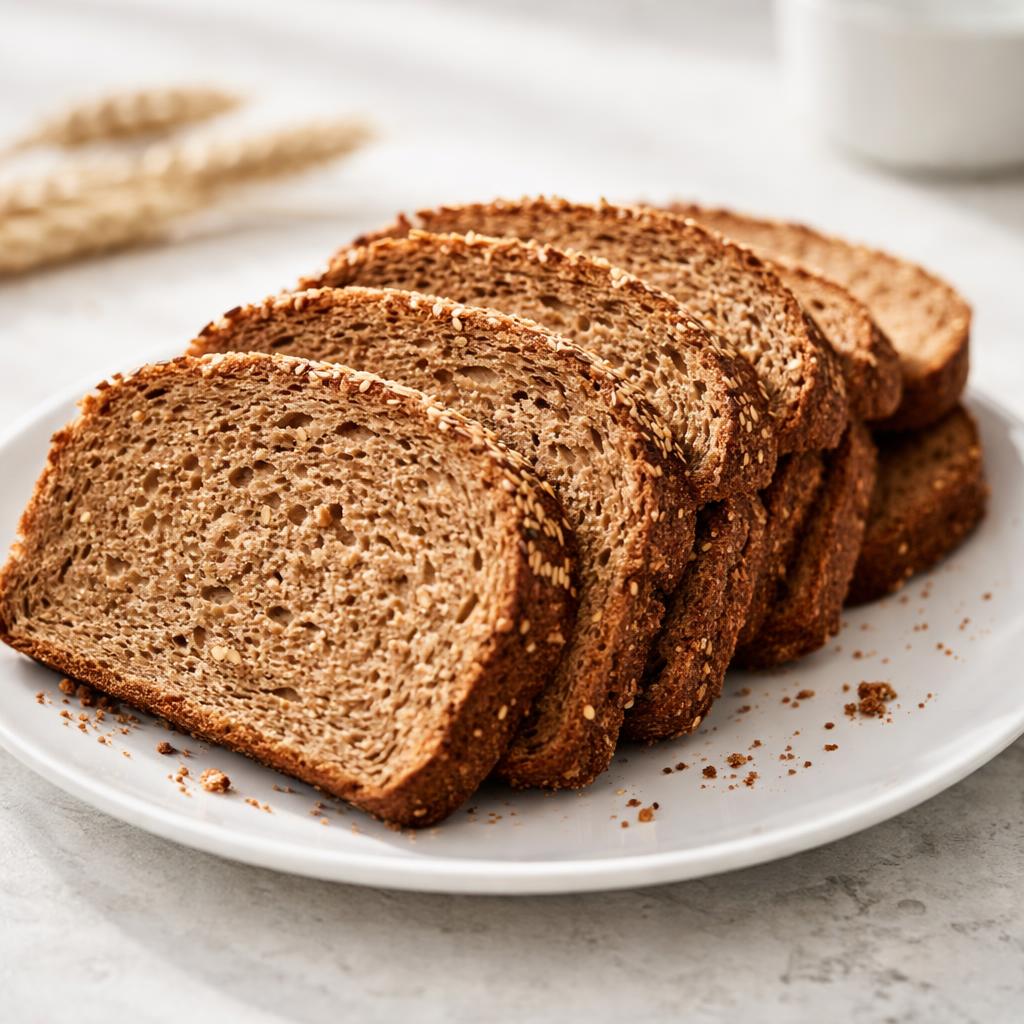
Brown Bread
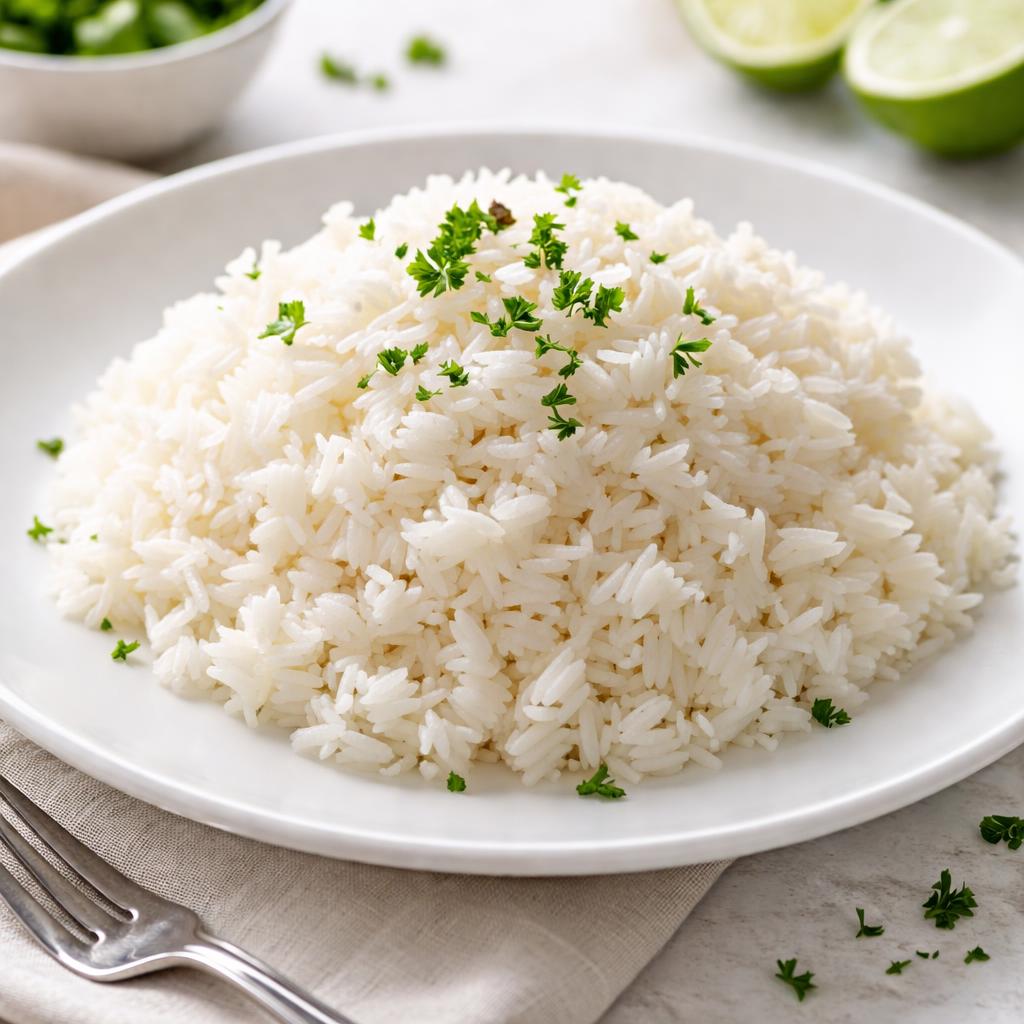
Jasmine Rice
🎯 Quick Verdict
Brown bread is nutritionally superior to jasmine rice in terms of fiber, protein, and calorie density, making it a better choice for weight management and digestion. Jasmine rice, on the other hand, is a great energy source for active individuals and provides essential carbohydrates for endurance activities.

Smart Nutrition Tracking with SnapCalorie

📊 Nutritional Comparison
Macronutrients
| Nutrient | Food 1 | Food 2 | Winner |
|---|---|---|---|
| Calories | 110 (per slice) | 160 (per 1 cup cooked) | − |
| Protein | 4g | 3g | − |
| Carbs | 20g | 36g | − |
| Fat | 1g | 0.5g | − |
| Fiber | 3g | 0.5g | − |
Vitamins & Minerals
| Nutrient | Food 1 | Food 2 | Winner |
|---|---|---|---|
| Vitamin B1 | 0.1mg | 0.2mg | − |
| Iron | 1mg | 0.3mg | − |
| Calcium | 20mg | 10mg | − |
🏆 Category Winners
Protein
Brown bread contains 33% more protein per serving compared to jasmine rice.
Fiber
Brown bread offers 6 times the fiber content compared to jasmine rice, supporting digestive health.
Calories
Brown bread is lower in calories, making it better suited for weight management.
Vitamins
Both foods have distinct vitamin advantages: jasmine rice excels in Vitamin B1, while brown bread provides more iron and calcium.
🥗 Diet Compatibility
Keto
Food 1: Not Compatible
Food 2: Not Compatible
Both are moderately high-carb foods.
Vegan
Food 1: Compatible
Food 2: Compatible
Both are plant-based foods.
Gluten Free
Food 1: Not Compatible
Food 2: Compatible
Brown bread contains gluten, while jasmine rice is naturally gluten-free.
Paleo
Food 1: Not Compatible
Food 2: Compatible
Brown bread is processed and not paleo-friendly, while jasmine rice fits better within paleo guidelines.
Low Carb
Food 1: Not Compatible
Food 2: Not Compatible
Both foods are relatively high in carbohydrates and not suitable for low-carb diets.
💪 Health Benefits Comparison
Food 1 Benefits
Food 2 Benefits
✅ The Bottom Line
Brown bread is ideal for individuals looking to improve digestion, manage weight, or increase dietary protein and fiber intake. Jasmine rice is a better choice for athletes or active individuals who need quick energy and a simple carbohydrate source.


